


Więcej o książce
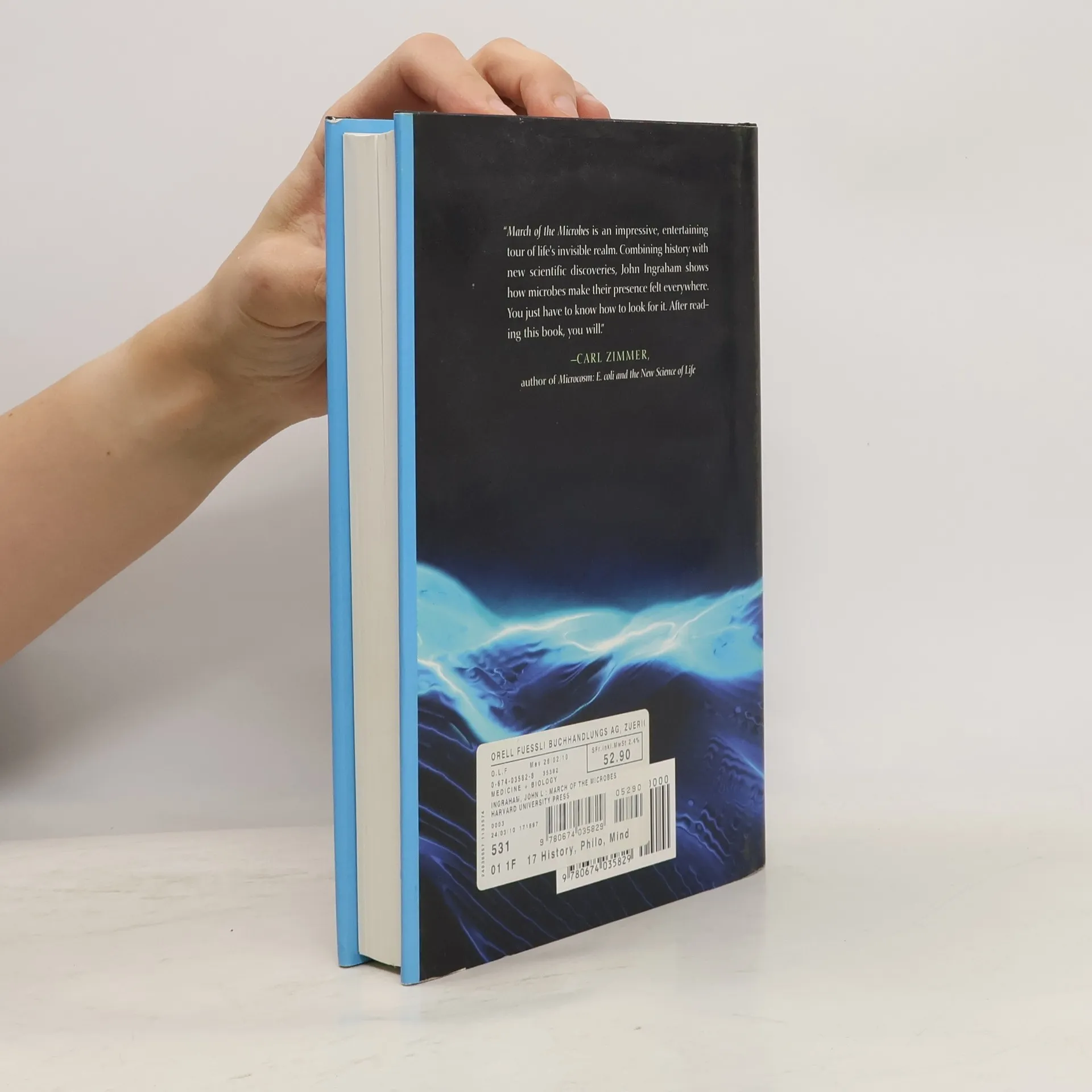
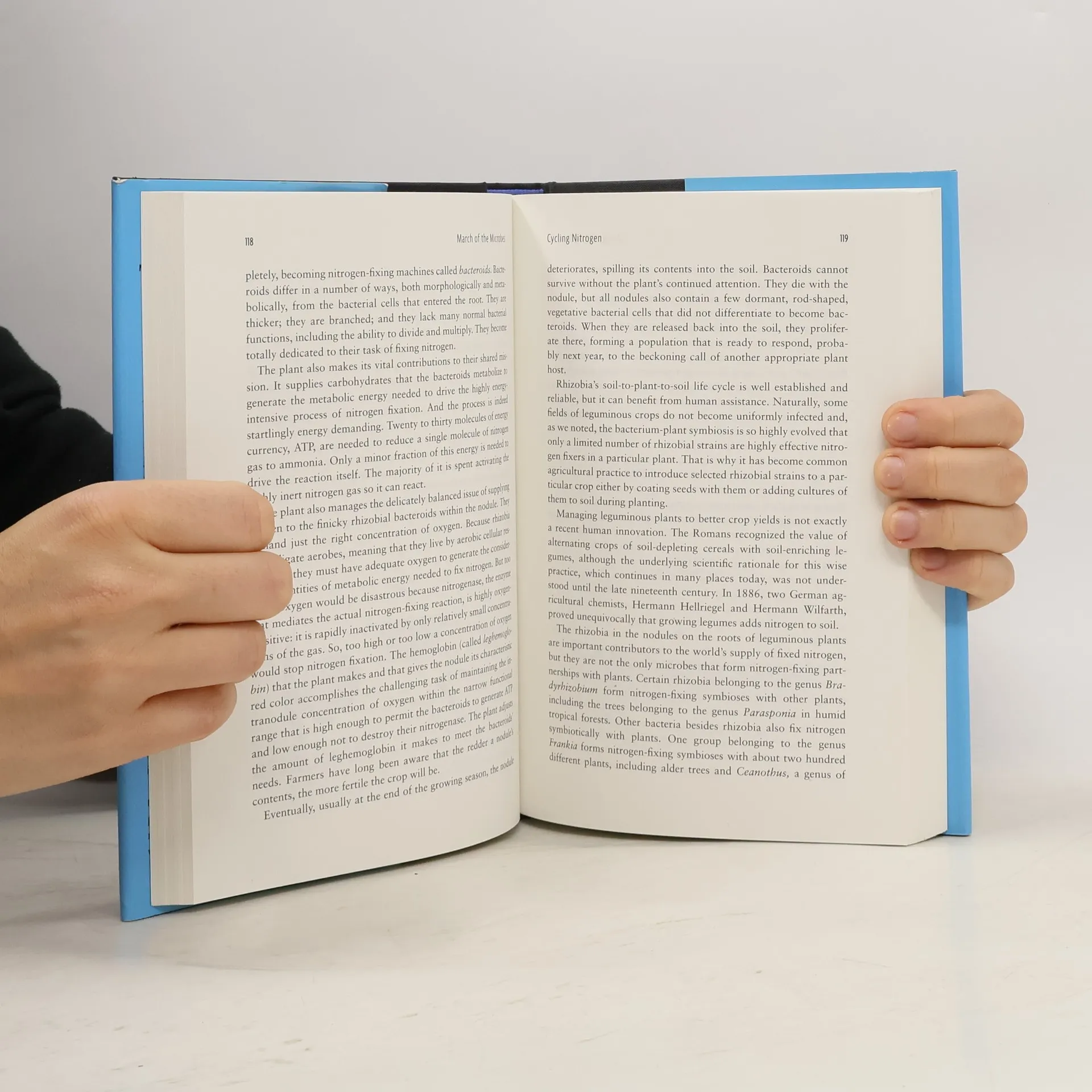
Though often unnoticed, microbes are a powerful force behind many aspects of our world, from the bubbles in Champagne to the cliffs of Dover. Renowned microbiologist John Ingraham highlights their crucial roles, challenging the common perception of microbes as mere troublemakers associated with disease and spoilage. He invites readers to appreciate these microorganisms by observing their activities, akin to birdwatching. Through various examples, such as a smelly rock cod and a bottle of Chateau d’Yquem, Ingraham illustrates the diverse impacts of microbes on our planet, including their influence on the atmosphere, geology, and other organisms, including humans. Microbes can cause fatal illnesses but also provide essential nutrients. Ultimately, Ingraham emphasizes the remarkable power and resilience of microbes, reinforcing Louis Pasteur’s assertion that “microbes will have the last word.” This exploration encourages a deeper understanding of the vital roles microbes play in our lives and the natural world.
Zakup książki
March of the Microbes, Roberto Kolter, John L. Ingraham
- Język

- Rok wydania
- 2010
- Oprawa
- (twarda)
Metody płatności
Brakuje nam tutaj Twojej recenzji.
- Tytuł
- March of the Microbes
- Podtytuł
- Sighting the Unseen
- Język
- angielski
- Autorzy
- Roberto Kolter, John L. Ingraham
- Rok wydania
- 2010
- Oprawa
- twarda
- Liczba stron
- 326
- ISBN10
- 0674035828
- ISBN13
- 9780674035829
- Seria
- Tagi
- Przyroda, Nauki przyrodnicze, Nauka, USA, Tematyka medyczna, Literatura fachowa, Ewolucja, Obserwacja przyrody, Bestsellery, Mikrobiologia
- Ocena
- 4,2 z 5
- Opis
- Though often unnoticed, microbes are a powerful force behind many aspects of our world, from the bubbles in Champagne to the cliffs of Dover. Renowned microbiologist John Ingraham highlights their crucial roles, challenging the common perception of microbes as mere troublemakers associated with disease and spoilage. He invites readers to appreciate these microorganisms by observing their activities, akin to birdwatching. Through various examples, such as a smelly rock cod and a bottle of Chateau d’Yquem, Ingraham illustrates the diverse impacts of microbes on our planet, including their influence on the atmosphere, geology, and other organisms, including humans. Microbes can cause fatal illnesses but also provide essential nutrients. Ultimately, Ingraham emphasizes the remarkable power and resilience of microbes, reinforcing Louis Pasteur’s assertion that “microbes will have the last word.” This exploration encourages a deeper understanding of the vital roles microbes play in our lives and the natural world.