


Więcej o książce
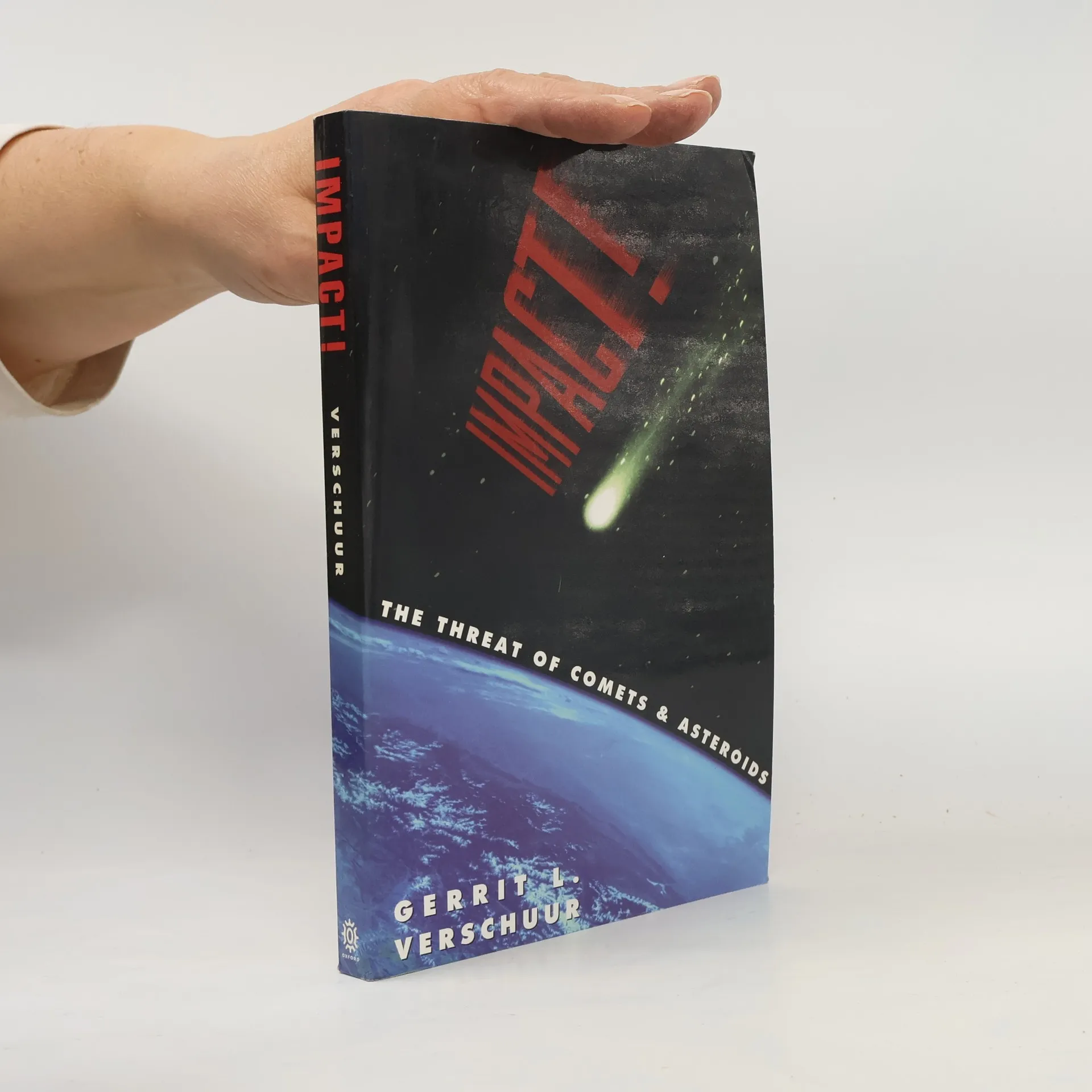
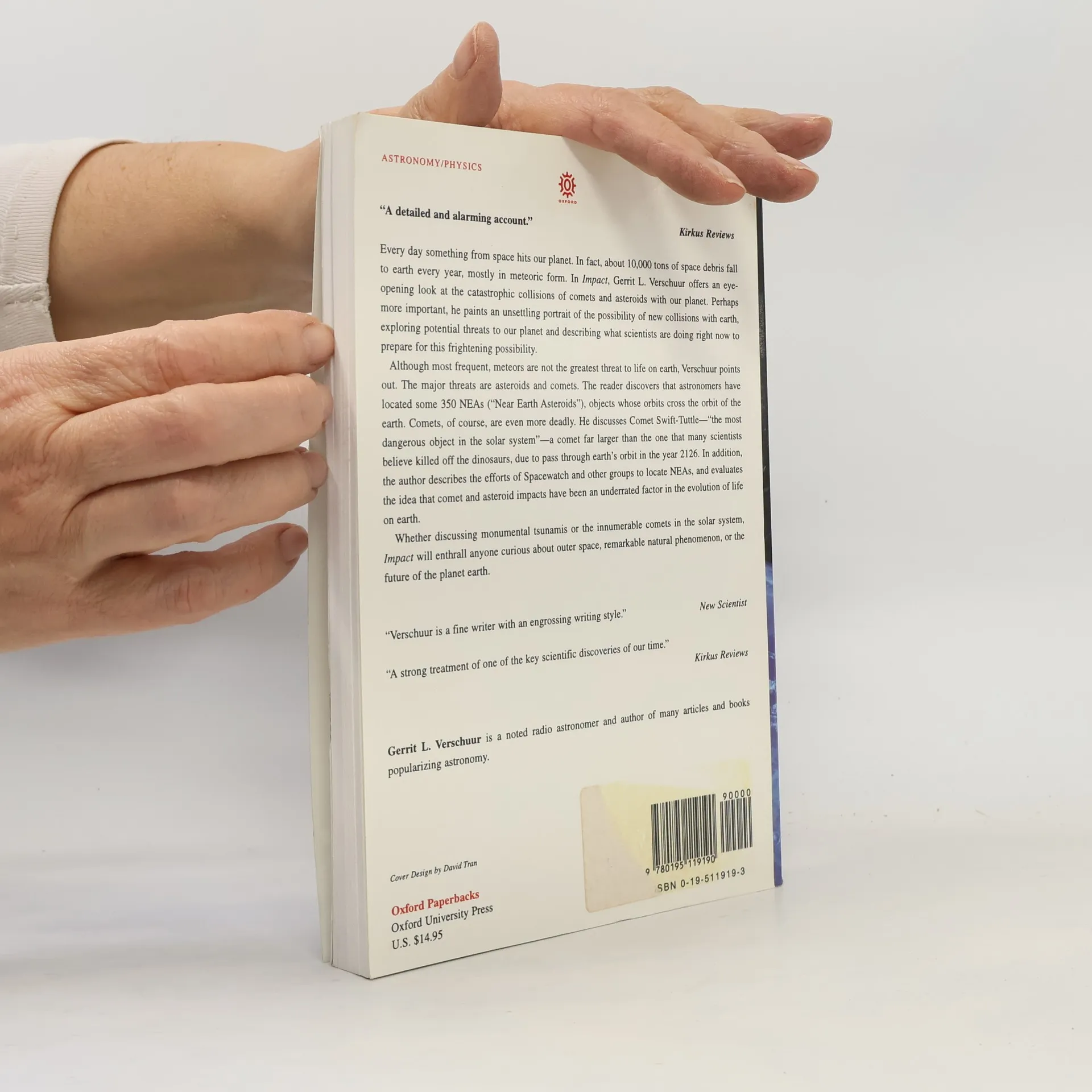
Approximately sixty-five million years ago, a massive comet struck the Yucatan, creating a blast far more powerful than any hydrogen bomb and resulting in a ten-mile deep crater. This catastrophic event vaporized trillions of tons of rock and ignited vegetation across a vast area, unleashing intense blast waves, searing winds, and molten debris, while plunging the planet into darkness for a year. Thousands of species, including dinosaurs, faced extinction, some within hours. The author presents a compelling examination of such collisions and the potential for future threats to Earth, highlighting that around 10,000 tons of space debris, primarily meteors, enter our atmosphere annually. Notable incidents include the 1969 fireball over Allende, Mexico, and the 1992 Peekskill meteor that damaged a car. However, asteroids and comets pose the greatest risks. The text details the discovery of 350 Near Earth Asteroids (NEAs), including the significant threats posed by larger objects. It recounts the 1908 Tunguska event and the dangerous Comet Swift-Tuttle, expected to cross Earth's orbit in 2126. Additionally, it describes the impact of Comet Shoemaker-Levy 9 on Jupiter in 1994. The author also discusses the efforts to track NEAs and their role in Earth's evolutionary history, emphasizing the importance of understanding these cosmic threats. This book captivates anyone interested in space, natural phenomena, or Earth's future.
Zakup książki
Impact!, Gerrit L. Verschuur
- Język

- Rok wydania
- 1996
- Oprawa
- (miękka)
Metody płatności
Brakuje nam tutaj Twojej recenzji.
- Tytuł
- Impact!
- Podtytuł
- The Threat of Comets and Asteroids
- Język
- angielski
- Autorzy
- Gerrit L. Verschuur
- Wydawca
- Oxford University Press
- Rok wydania
- 1996
- Oprawa
- miękka
- Liczba stron
- 256
- ISBN10
- 0195119193
- ISBN13
- 9780195119190
- Seria
- Kategorie
- Tagi
- Tematy historyczne, Przyroda, Nauka, USA, Kosmos, Literatura fachowa, Katastrofy naturalne, Prognozowanie, Komety, Asteroidy
- Ocena
- 3,7 z 5
- Opis
- Approximately sixty-five million years ago, a massive comet struck the Yucatan, creating a blast far more powerful than any hydrogen bomb and resulting in a ten-mile deep crater. This catastrophic event vaporized trillions of tons of rock and ignited vegetation across a vast area, unleashing intense blast waves, searing winds, and molten debris, while plunging the planet into darkness for a year. Thousands of species, including dinosaurs, faced extinction, some within hours. The author presents a compelling examination of such collisions and the potential for future threats to Earth, highlighting that around 10,000 tons of space debris, primarily meteors, enter our atmosphere annually. Notable incidents include the 1969 fireball over Allende, Mexico, and the 1992 Peekskill meteor that damaged a car. However, asteroids and comets pose the greatest risks. The text details the discovery of 350 Near Earth Asteroids (NEAs), including the significant threats posed by larger objects. It recounts the 1908 Tunguska event and the dangerous Comet Swift-Tuttle, expected to cross Earth's orbit in 2126. Additionally, it describes the impact of Comet Shoemaker-Levy 9 on Jupiter in 1994. The author also discusses the efforts to track NEAs and their role in Earth's evolutionary history, emphasizing the importance of understanding these cosmic threats. This book captivates anyone interested in space, natural phenomena, or Earth's future.