


Więcej o książce
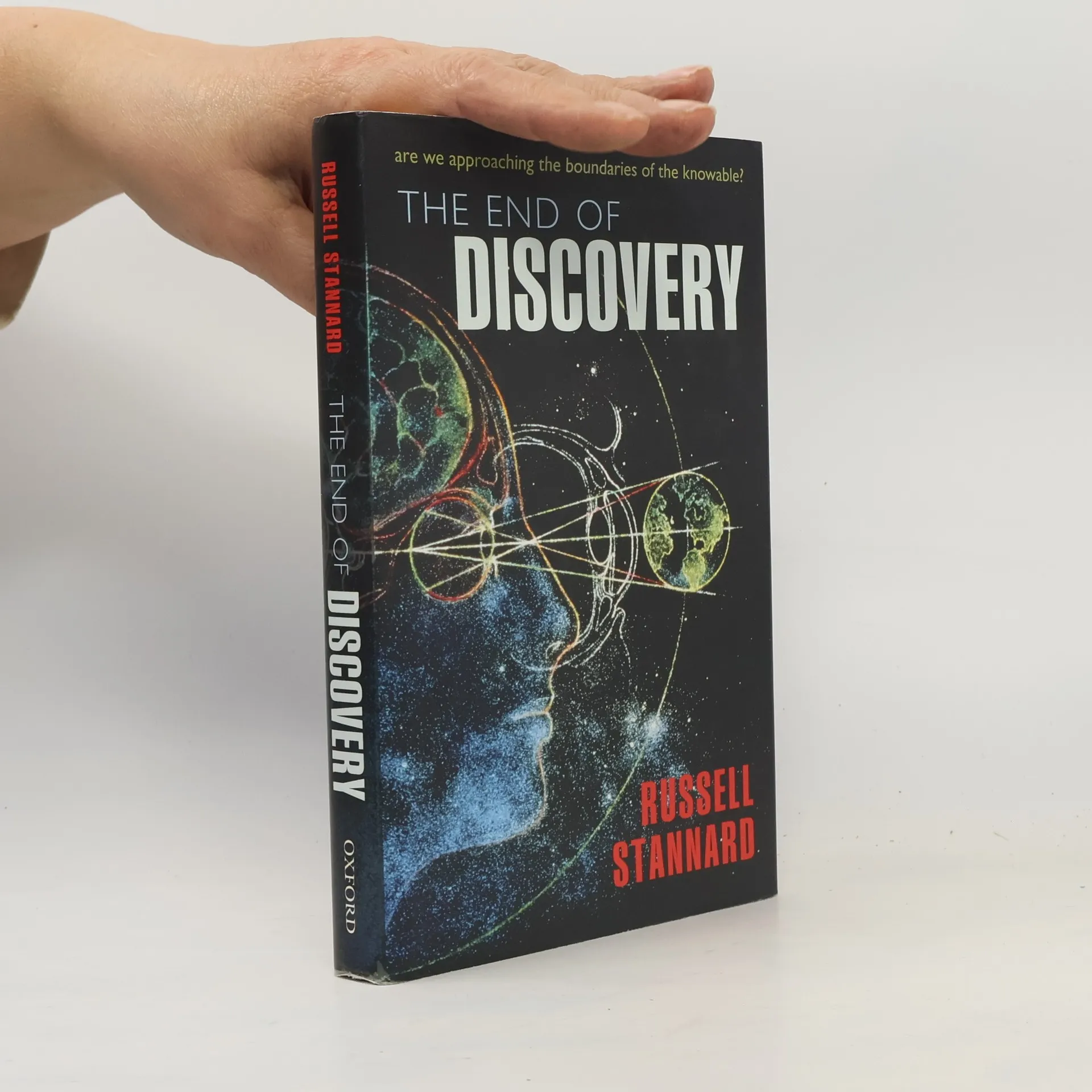
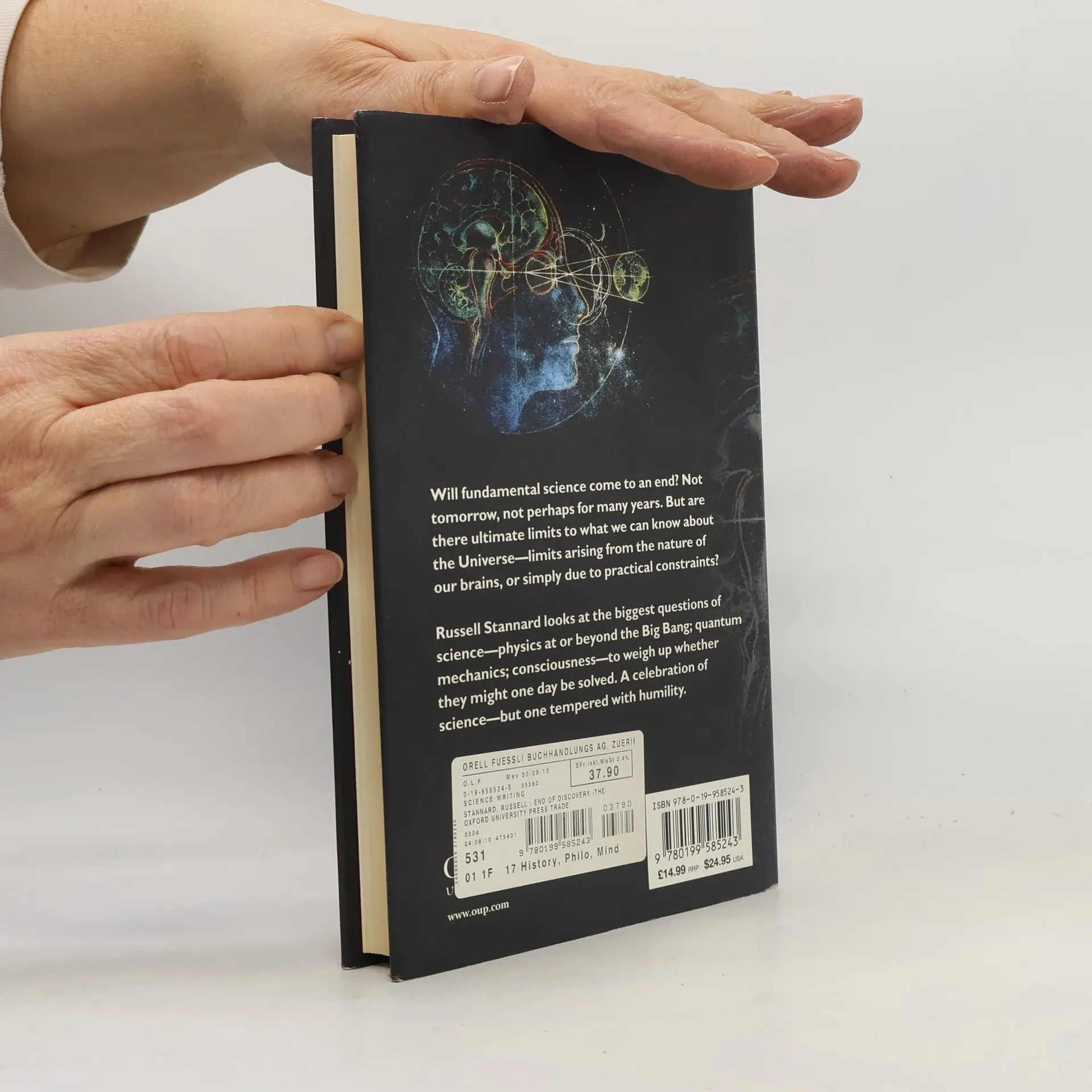
Many scientists assert that scientific thinking will eventually lead to a complete understanding of everything. However, Russell Stannard, a prominent high-energy physicist, strongly disagrees. He argues that fundamental science will eventually reach its explanatory limits, marking the end of the scientific age, similar to the stone and iron ages. To illustrate the boundaries of scientific understanding, Stannard explores profound questions in science today, such as consciousness, free will, the nature of space and time, and the existence of extraterrestrial life. He notes that understanding the subatomic world requires particle accelerators, and to grasp the tiniest units of nature, an accelerator the size of a galaxy would be needed. Without a new approach, we may never fully comprehend the universe's basic building blocks. Stannard remains hopeful that some questions will be answered, but acknowledges that certain puzzles may remain unsolved indefinitely, often without our awareness of having reached an insurmountable barrier. While he assures us that scientific knowledge will continue to find new applications and technology will advance, he contends that the quest for fresh discoveries about how the world works must ultimately come to a halt.
Zakup książki
The End of Discovery, Russell Stannard
- Język

- Rok wydania
- 2010
- Oprawa
- (twarda)
Metody płatności
Brakuje nam tutaj Twojej recenzji.
- Tytuł
- The End of Discovery
- Podtytuł
- Are We Approaching the Boundaries of the Knowable?
- Język
- angielski
- Autorzy
- Russell Stannard
- Wydawca
- Oxford University Press
- Rok wydania
- 2010
- Oprawa
- twarda
- Liczba stron
- 228
- ISBN10
- 0199585245
- ISBN13
- 9780199585243
- Seria
- Tagi
- Tematy historyczne, Nauki przyrodnicze, Tematyka filozoficzna, Nauka, Filozofia nauki, Teoria Poznania
- Ocena
- 3,45 z 5
- Opis
- Many scientists assert that scientific thinking will eventually lead to a complete understanding of everything. However, Russell Stannard, a prominent high-energy physicist, strongly disagrees. He argues that fundamental science will eventually reach its explanatory limits, marking the end of the scientific age, similar to the stone and iron ages. To illustrate the boundaries of scientific understanding, Stannard explores profound questions in science today, such as consciousness, free will, the nature of space and time, and the existence of extraterrestrial life. He notes that understanding the subatomic world requires particle accelerators, and to grasp the tiniest units of nature, an accelerator the size of a galaxy would be needed. Without a new approach, we may never fully comprehend the universe's basic building blocks. Stannard remains hopeful that some questions will be answered, but acknowledges that certain puzzles may remain unsolved indefinitely, often without our awareness of having reached an insurmountable barrier. While he assures us that scientific knowledge will continue to find new applications and technology will advance, he contends that the quest for fresh discoveries about how the world works must ultimately come to a halt.