

Więcej o książce
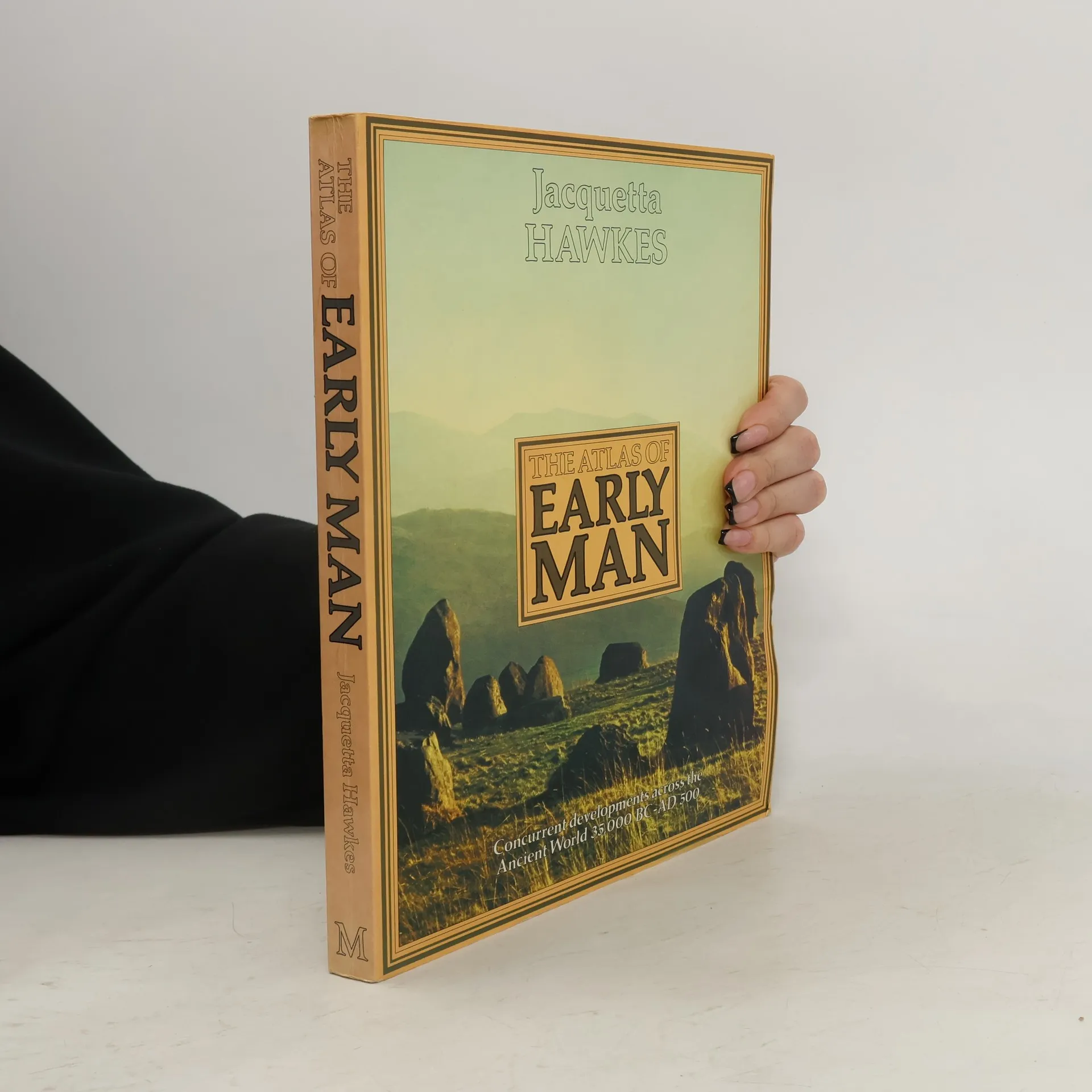
The Atlas of Early Man is a captivating work of popular natural history that has served as a definitive survey of human developments for nearly two decades. This new paperback edition, the first since 1981, offers a compelling blend of history, science, and cultural study that appeals to a wide audience. Through a collection of one thousand maps, diagrams, drawings, and illustrations, it enhances our understanding of the ancient world by comparing the cultures of historical contemporaries. It places simultaneous developments in art, religion, technology, science, architecture, and government into graphic perspective. The book explores significant questions, such as what was happening in China during the construction of the Egyptian pyramids or what advancements were made in the Americas while wheeled vehicles emerged in Sumeria. Hawkes's eloquent text brings these civilizations to life, presenting them not merely as historical entities but as vibrant cultures. It invites readers to consider whether advancements occurred independently across oceans and continents or were influenced by cross-cultural exchanges. The clarity of Hawkes's analysis allows us to draw our own conclusions and clears the fog that has long obscured our view of early history.
Zakup książki
The Atlas of Early Man, Jacquetta Hopkins Hawkes, David H. Trump
- Język

- Rok wydania
- 1976
- Oprawa
- (miękka)
Metody płatności
Nikt jeszcze nie ocenił.
- Tytuł
- The Atlas of Early Man
- Język
- angielski
- Wydawca
- Macmillan
- Rok wydania
- 1976
- Oprawa
- miękka
- Liczba stron
- 255
- ISBN10
- 0333236297
- ISBN13
- 9780333236291
- Seria
- Kategorie
- Tagi
- Starożytność, Archeologia
- Opis
- The Atlas of Early Man is a captivating work of popular natural history that has served as a definitive survey of human developments for nearly two decades. This new paperback edition, the first since 1981, offers a compelling blend of history, science, and cultural study that appeals to a wide audience. Through a collection of one thousand maps, diagrams, drawings, and illustrations, it enhances our understanding of the ancient world by comparing the cultures of historical contemporaries. It places simultaneous developments in art, religion, technology, science, architecture, and government into graphic perspective. The book explores significant questions, such as what was happening in China during the construction of the Egyptian pyramids or what advancements were made in the Americas while wheeled vehicles emerged in Sumeria. Hawkes's eloquent text brings these civilizations to life, presenting them not merely as historical entities but as vibrant cultures. It invites readers to consider whether advancements occurred independently across oceans and continents or were influenced by cross-cultural exchanges. The clarity of Hawkes's analysis allows us to draw our own conclusions and clears the fog that has long obscured our view of early history.