


Parametry
- 382 strony
- 14 godzin czytania
Więcej o książce
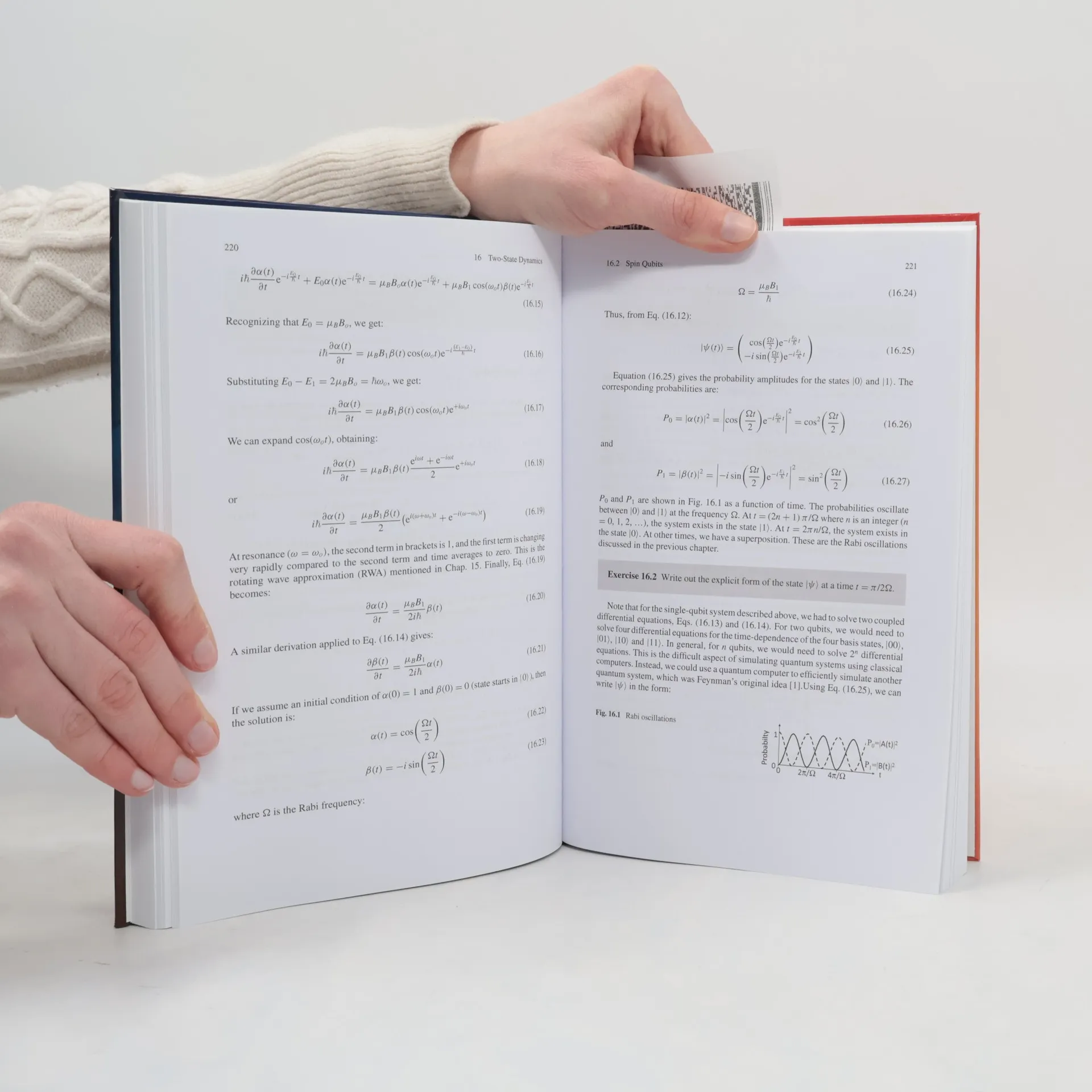
This book provides a self-contained undergraduate course on quantum computing based on classroom-tested lecture notes. It reviews the fundamentals of quantum mechanics from the double-slit experiment to entanglement, before progressing to the basics of qubits, quantum gates, quantum circuits, quantum key distribution, and some of the famous quantum algorithms. As well as covering quantum gates in depth, it also describes promising platforms for their physical implementation, along with error correction, and topological quantum computing. With quantum computing expanding rapidly in the private sector, understanding quantum computing has never been so important for graduates entering the workplace or PhD programs. Assuming minimal background knowledge, this book is highly accessible, with rigorous step-by-step explanations of the principles behind quantum computation, further reading, and end-of-chapter exercises, ensuring that undergraduate students in physics and engineering emerge well prepared for the future.
Zakup książki
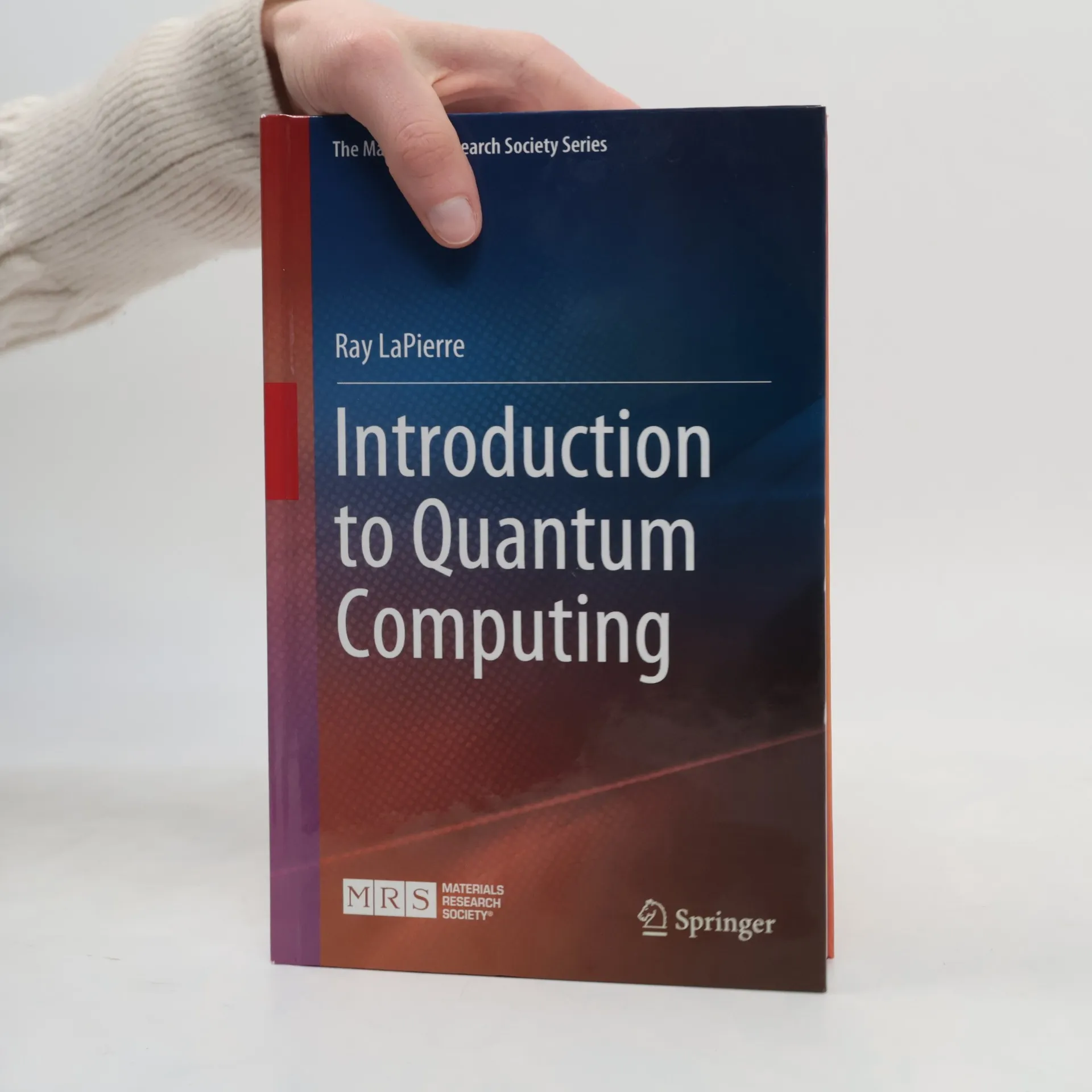
The Materials Research Society Series: Introduction to Quantum Computing, Ray LaPierre
- Język

- Rok wydania
- 2021
- Oprawa
- (twarda)
Metody płatności
Brakuje nam tutaj Twojej recenzji.
- Tytuł
- The Materials Research Society Series: Introduction to Quantum Computing
- Język
- angielski
- Autorzy
- Ray LaPierre
- Wydawca
- Springer
- Rok wydania
- 2021
- Oprawa
- twarda
- Liczba stron
- 382
- ISBN10
- 3030693171
- ISBN13
- 9783030693176
- Seria
- Kategorie
- Ocena
- 4 z 5
- Opis
- This book provides a self-contained undergraduate course on quantum computing based on classroom-tested lecture notes. It reviews the fundamentals of quantum mechanics from the double-slit experiment to entanglement, before progressing to the basics of qubits, quantum gates, quantum circuits, quantum key distribution, and some of the famous quantum algorithms. As well as covering quantum gates in depth, it also describes promising platforms for their physical implementation, along with error correction, and topological quantum computing. With quantum computing expanding rapidly in the private sector, understanding quantum computing has never been so important for graduates entering the workplace or PhD programs. Assuming minimal background knowledge, this book is highly accessible, with rigorous step-by-step explanations of the principles behind quantum computation, further reading, and end-of-chapter exercises, ensuring that undergraduate students in physics and engineering emerge well prepared for the future.