


Parametry
- 102 strony
- 4 godziny czytania
Więcej o książce
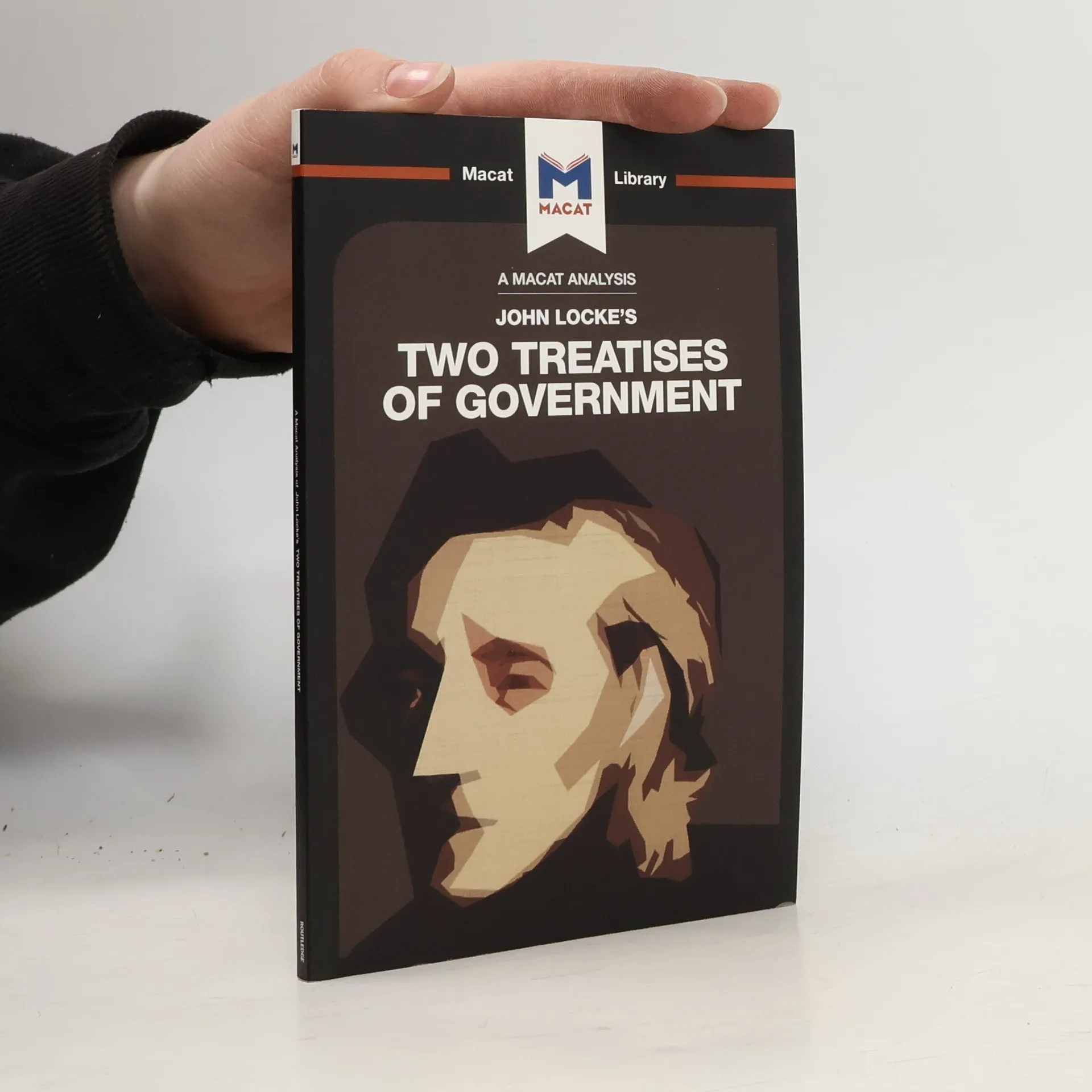
John Locke’s 1689 Two Treatises of Government is a pivotal text in political theory, significantly influencing modern politics and the American Constitution. This work is not only a foundational exploration of government legitimacy but also a masterclass in critical thinking, particularly in evaluation and reasoning. The first treatise serves as a thorough critique of Sir Robert Filmer’s Patriarcha, which argued for the divine right of kings, claiming that monarchs derive their authority directly from God through Biblical evidence. Locke systematically dismantles Filmer’s arguments, demonstrating their inadequacy and reliance on flawed evidence, ultimately deeming them invalid. In the second treatise, Locke articulates his own views on legitimate power and its sources. He constructs a compelling argument based on the concept of man in “the state of nature,” advocating that a civilized society should be founded on natural human rights and the social contract. Through logical reasoning and historical context, Locke lays the groundwork for modern democratic thought, emphasizing the importance of individual rights and the role of government as a protector of those rights.
Zakup książki
Macat Library: An Analysis of John Locke's Two Treatises of Government, Jeremy Kleidosty, Ian Jackson, John Locke
- Język

- Rok wydania
- 2017
- Oprawa
- (miękka)
Metody płatności
Brakuje nam tutaj Twojej recenzji.
- Tytuł
- Macat Library: An Analysis of John Locke's Two Treatises of Government
- Język
- angielski
- Autorzy
- Jeremy Kleidosty, Ian Jackson, John Locke
- Wydawca
- Macat Library
- Rok wydania
- 2017
- Oprawa
- miękka
- Liczba stron
- 102
- ISBN10
- 1912127555
- ISBN13
- 9781912127559
- Seria
- Kategorie
- Tagi
- Tematy historyczne, Tematyka psychologiczna, Tematyka filozoficzna, Krytyka literacka, Teorie polityczne, Ameryka, Zatrudnienie, Rewolucja, Oświecenie, Teoria literatury, Deklaracja niepodległości
- Ocena
- 3,5 z 5
- Opis
- John Locke’s 1689 Two Treatises of Government is a pivotal text in political theory, significantly influencing modern politics and the American Constitution. This work is not only a foundational exploration of government legitimacy but also a masterclass in critical thinking, particularly in evaluation and reasoning. The first treatise serves as a thorough critique of Sir Robert Filmer’s Patriarcha, which argued for the divine right of kings, claiming that monarchs derive their authority directly from God through Biblical evidence. Locke systematically dismantles Filmer’s arguments, demonstrating their inadequacy and reliance on flawed evidence, ultimately deeming them invalid. In the second treatise, Locke articulates his own views on legitimate power and its sources. He constructs a compelling argument based on the concept of man in “the state of nature,” advocating that a civilized society should be founded on natural human rights and the social contract. Through logical reasoning and historical context, Locke lays the groundwork for modern democratic thought, emphasizing the importance of individual rights and the role of government as a protector of those rights.