

Parametry
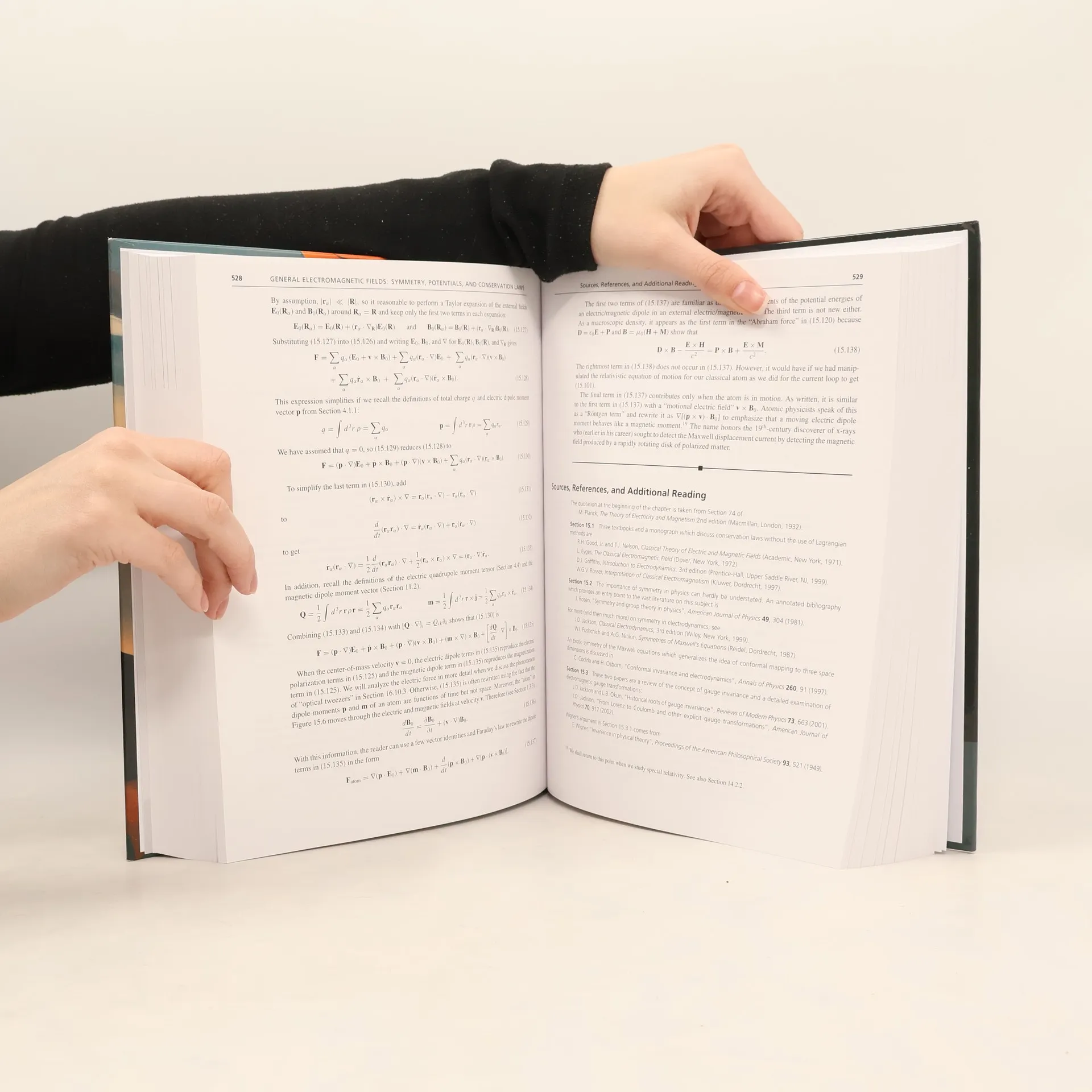
- 998 stron
- 35 godzin czytania
Więcej o książce
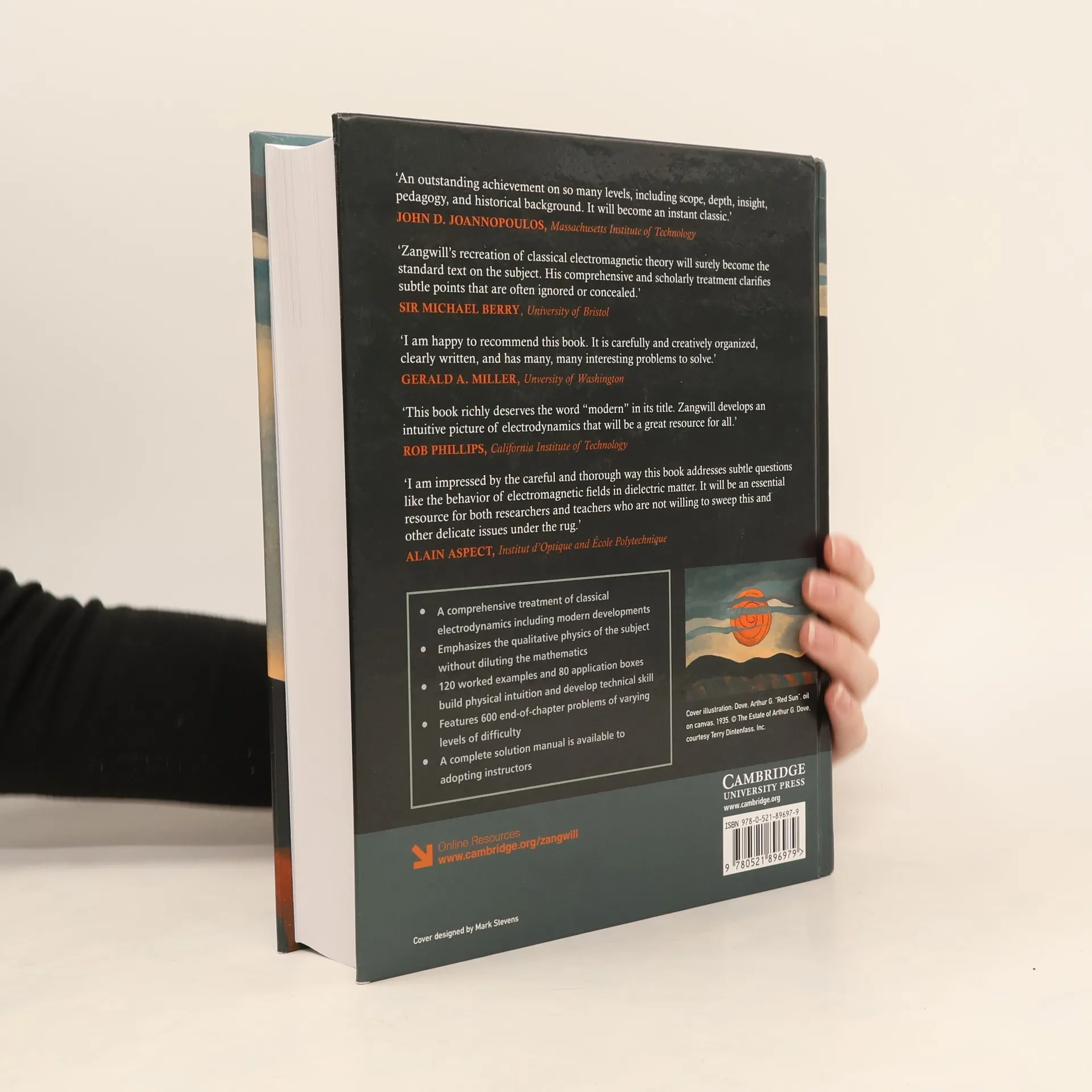
An engaging writing style and a strong focus on the physics make this comprehensive, graduate level textbook unique among existing classical electromagnetism textbooks. Charged particles in vacuum and the electrodynamics of continuous media are given equal attention in discussions of electrostatics, magnetostatics, quasistatics, conservation laws, wave propagation, radiation, scattering, special relativity, and field theory. Extensive use of qualitative arguments similar to those used by working physicists makes Modern Electrodynamics a must have for every student of this subject. In 24 chapters, the textbook covers many more topics than can be presented in a typical two semester course, making it easy for instructors to tailor courses to their specific needs. Close to 120 worked examples and 80 applications boxes help the reader build physical intuition and develop technical skill. Nearly 600 end of chapter homework problems encourage students to engage actively with the material.
Zakup książki
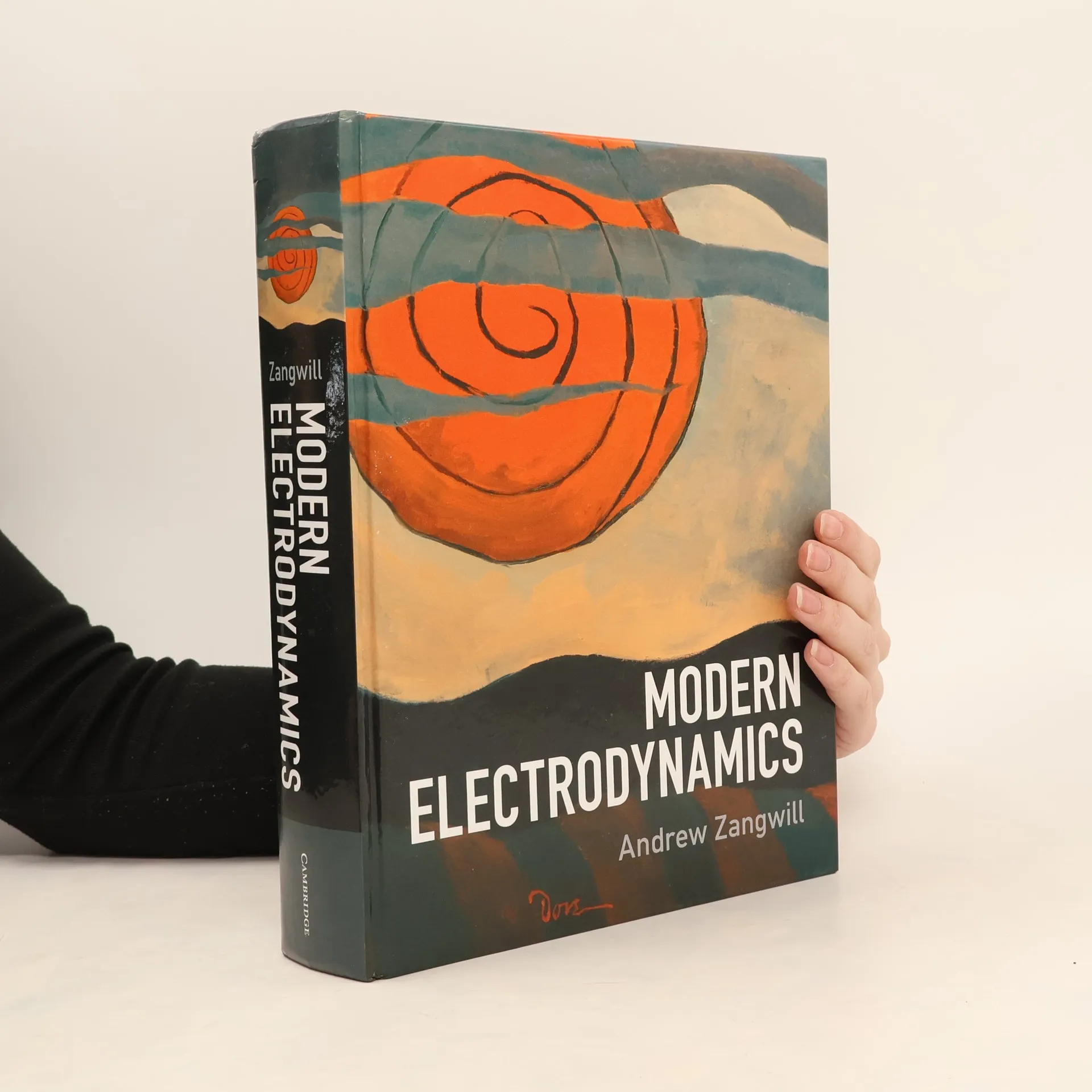
Modern Electrodynamics, Andrew Zangwill
- Język

- Rok wydania
- 2012
- Oprawa
- (twarda)
Metody płatności
Brakuje nam tutaj Twojej recenzji.
- Tytuł
- Modern Electrodynamics
- Język
- angielski
- Autorzy
- Andrew Zangwill
- Wydawca
- Cambridge University Press
- Rok wydania
- 2012
- Oprawa
- twarda
- Liczba stron
- 998
- ISBN10
- 0521896975
- ISBN13
- 9780521896979
- Seria
- Tagi
- Podręczniki, Nauki przyrodnicze, Poradniki, Nauka, Podręczniki fizyki, Elektryczność, Fizyka teoretyczna, Magnetyzm, Elektromagnetyzm
- Ocena
- 4,35 z 5
- Opis
- An engaging writing style and a strong focus on the physics make this comprehensive, graduate level textbook unique among existing classical electromagnetism textbooks. Charged particles in vacuum and the electrodynamics of continuous media are given equal attention in discussions of electrostatics, magnetostatics, quasistatics, conservation laws, wave propagation, radiation, scattering, special relativity, and field theory. Extensive use of qualitative arguments similar to those used by working physicists makes Modern Electrodynamics a must have for every student of this subject. In 24 chapters, the textbook covers many more topics than can be presented in a typical two semester course, making it easy for instructors to tailor courses to their specific needs. Close to 120 worked examples and 80 applications boxes help the reader build physical intuition and develop technical skill. Nearly 600 end of chapter homework problems encourage students to engage actively with the material.