

Parametry
- 335 stron
- 12 godzin czytania
Więcej o książce
Why does capital formation often fail to occur in developing countries? Capital and Collusion explores the political incentives that either foster growth or steal nations' growth prospects.Hilton Root examines the frontier between risk and uncertainty, analyzing the forces driving development in both developed and undeveloped regions. In the former, he argues, institutions reduce everyday economic risks to levels low enough to make people receptive to opportunities for profit, stimulating developments in technology and science. Not so in developing countries. There, institutions that specialize in sharing risk are scarce. Money hides under mattresses and in teapots, creating a gap between a poor nation's savings and its investment. As a consequence, the developing world faces a growing disconnect between the value of its resources and the availability of finance.What are the remedies for eliminating this disparity? Root shows us how to close the growing wealth gap among nations by building institutions that convert uncertainty into risk. Comparing China to India, Latin America to East Asia, and contemporary to historical cases, he offers lessons that can help the World Bank and the International Monetary Fund to tackle the political incentives that are the source of poor governance in developing nations.
Zakup książki
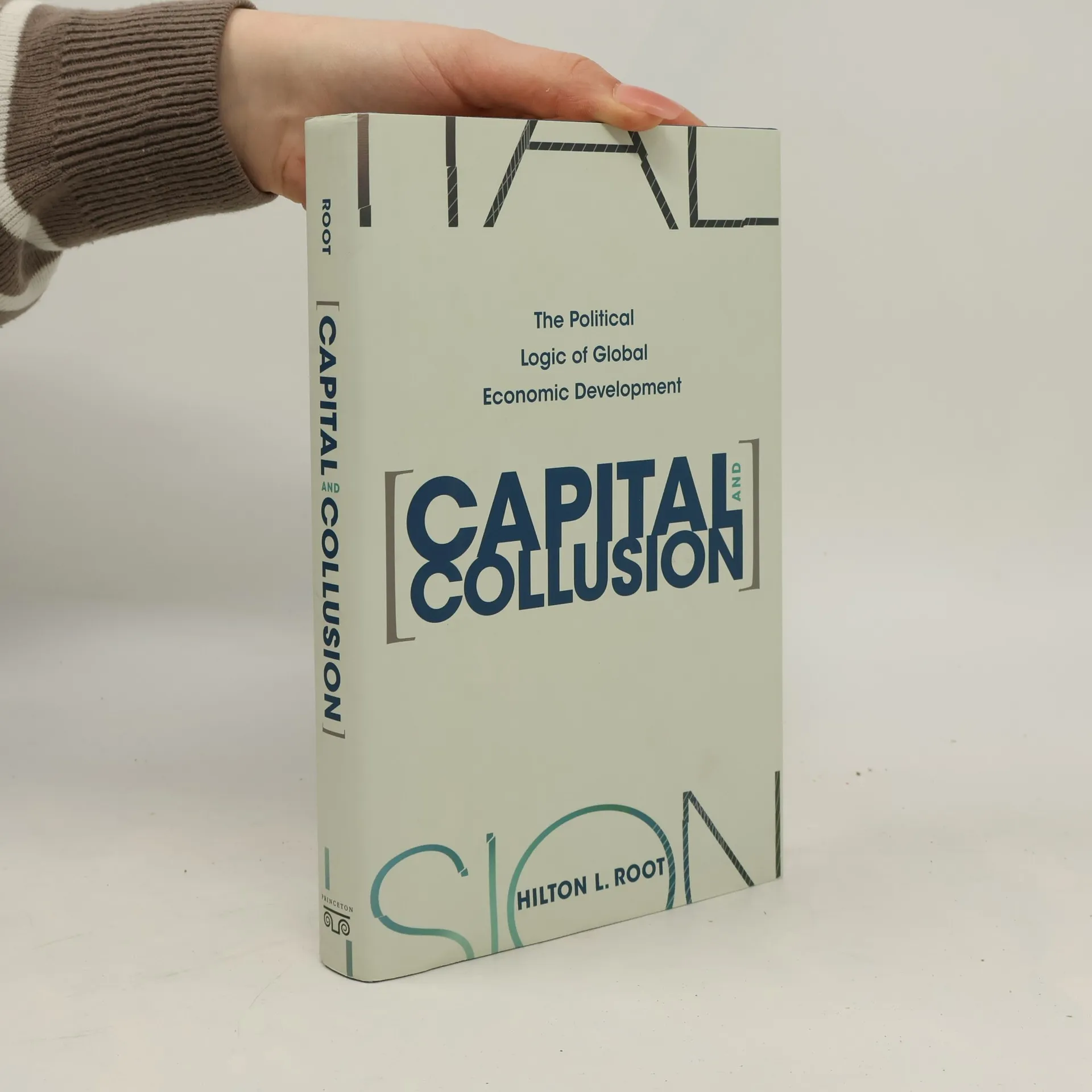
Capital and Collusion, Hilton L. Root
- Język

- Rok wydania
- 2005
- Oprawa
- (twarda)
Metody płatności
Brakuje nam tutaj Twojej recenzji.
- Tytuł
- Capital and Collusion
- Podtytuł
- The Political Logic of Global Economic Development
- Język
- angielski
- Autorzy
- Hilton L. Root
- Wydawca
- Princeton University Press
- Rok wydania
- 2005
- Oprawa
- twarda
- Liczba stron
- 335
- ISBN10
- 0691124078
- ISBN13
- 9780691124070
- Seria
- Kategorie
- Tagi
- Biznes, Polityka, USA, Teorie polityczne, Zatrudnienie, Dom, Rozwój, Globalizacja, Korupcja, Bogactwo, Polityka Gospodarcza, Ameryka Łacińska, Administracja publiczna, Ekonomia polityczna, Dyktatura, Niepewność, Ubezpieczenie, Kryzys finansowy, Kraje rozwijające się, Majątek, Gospodarka rynkowa, Oszczędzanie, Aspekty polityczne, Rynek kapitałowy, Autokracja
- Ocena
- 3,85 z 5
- Opis
- Why does capital formation often fail to occur in developing countries? Capital and Collusion explores the political incentives that either foster growth or steal nations' growth prospects.Hilton Root examines the frontier between risk and uncertainty, analyzing the forces driving development in both developed and undeveloped regions. In the former, he argues, institutions reduce everyday economic risks to levels low enough to make people receptive to opportunities for profit, stimulating developments in technology and science. Not so in developing countries. There, institutions that specialize in sharing risk are scarce. Money hides under mattresses and in teapots, creating a gap between a poor nation's savings and its investment. As a consequence, the developing world faces a growing disconnect between the value of its resources and the availability of finance.What are the remedies for eliminating this disparity? Root shows us how to close the growing wealth gap among nations by building institutions that convert uncertainty into risk. Comparing China to India, Latin America to East Asia, and contemporary to historical cases, he offers lessons that can help the World Bank and the International Monetary Fund to tackle the political incentives that are the source of poor governance in developing nations.