

Więcej o książce
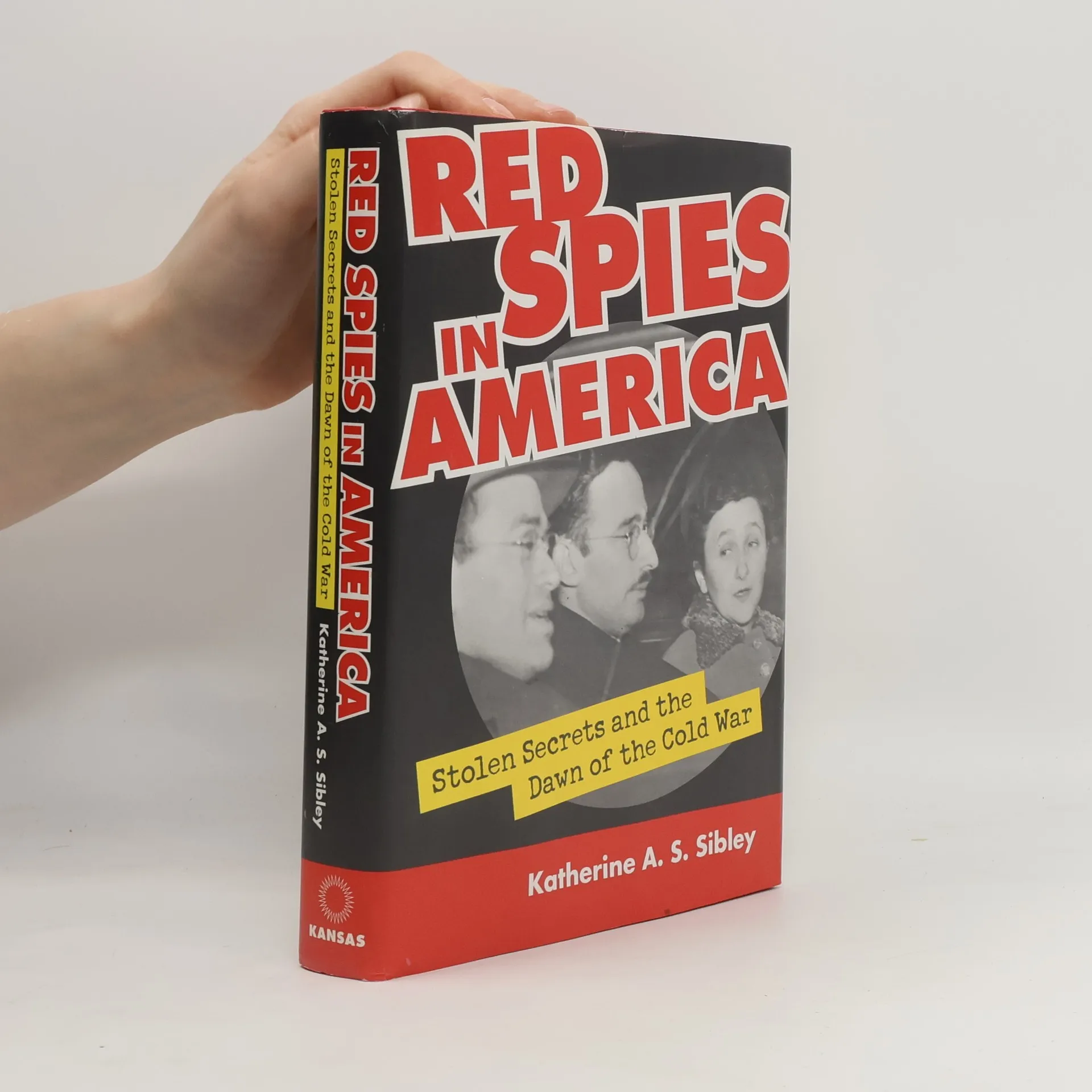
When the U.S. established diplomatic ties with the Soviet Union in 1933, it not only normalized relations but also opened the door to a wave of Russian spies. In the 1930s and 1940s, Soviet engineers, disguised as international collaborators, gathered crucial intelligence from American industrial sites, including factory layouts and aircraft blueprints. Katherine Sibley argues that the Cold War's roots extend back to World War II, particularly highlighted by the discovery of atomic espionage in 1943, which heightened surveillance of Soviet allies and fostered distrust that escalated into hostility. Through meticulous research in American and Soviet archives, Sibley presents the most comprehensive study of Soviet military-industrial espionage, revealing that the U.S. had a greater awareness of Soviet operations than previously thought. She details spies like Steve Nelson and Clarence Hiskey, who leaked Manhattan Project information, and moles like Nathan Silvermaster. Additionally, many Soviet agents operated undetected until defectors and code-breaking efforts unveiled these security breaches. Sibley explains how wartime espionage responses led to loyalty programs and blacklists, impacting U.S.-Russian relations to this day. She also examines recent espionage cases, illustrating that Russian attempts to acquire American secrets persist into the present, emphasizing the importance of understanding this history in the context of
Zakup książki
Red Spies in America, Katherine Amelia Siobhan Sibley
- Język

- Rok wydania
- 2004
- Oprawa
- (twarda)
Metody płatności
Brakuje nam tutaj Twojej recenzji.
- Tytuł
- Red Spies in America
- Podtytuł
- Stolen Secrets and the Dawn of the Cold War
- Język
- angielski
- Wydawca
- University Press of Kansas
- Rok wydania
- 2004
- Oprawa
- twarda
- Liczba stron
- 370
- ISBN10
- 070061351X
- ISBN13
- 9780700613519
- Seria
- Tagi
- Tematy historyczne, USA, XX wiek, Literatura amerykańska, Europa, Rosja, Teorie polityczne, Zimna wojna, Szpiedzy
- Ocena
- 1 z 5
- Opis
- When the U.S. established diplomatic ties with the Soviet Union in 1933, it not only normalized relations but also opened the door to a wave of Russian spies. In the 1930s and 1940s, Soviet engineers, disguised as international collaborators, gathered crucial intelligence from American industrial sites, including factory layouts and aircraft blueprints. Katherine Sibley argues that the Cold War's roots extend back to World War II, particularly highlighted by the discovery of atomic espionage in 1943, which heightened surveillance of Soviet allies and fostered distrust that escalated into hostility. Through meticulous research in American and Soviet archives, Sibley presents the most comprehensive study of Soviet military-industrial espionage, revealing that the U.S. had a greater awareness of Soviet operations than previously thought. She details spies like Steve Nelson and Clarence Hiskey, who leaked Manhattan Project information, and moles like Nathan Silvermaster. Additionally, many Soviet agents operated undetected until defectors and code-breaking efforts unveiled these security breaches. Sibley explains how wartime espionage responses led to loyalty programs and blacklists, impacting U.S.-Russian relations to this day. She also examines recent espionage cases, illustrating that Russian attempts to acquire American secrets persist into the present, emphasizing the importance of understanding this history in the context of