

Więcej o książce
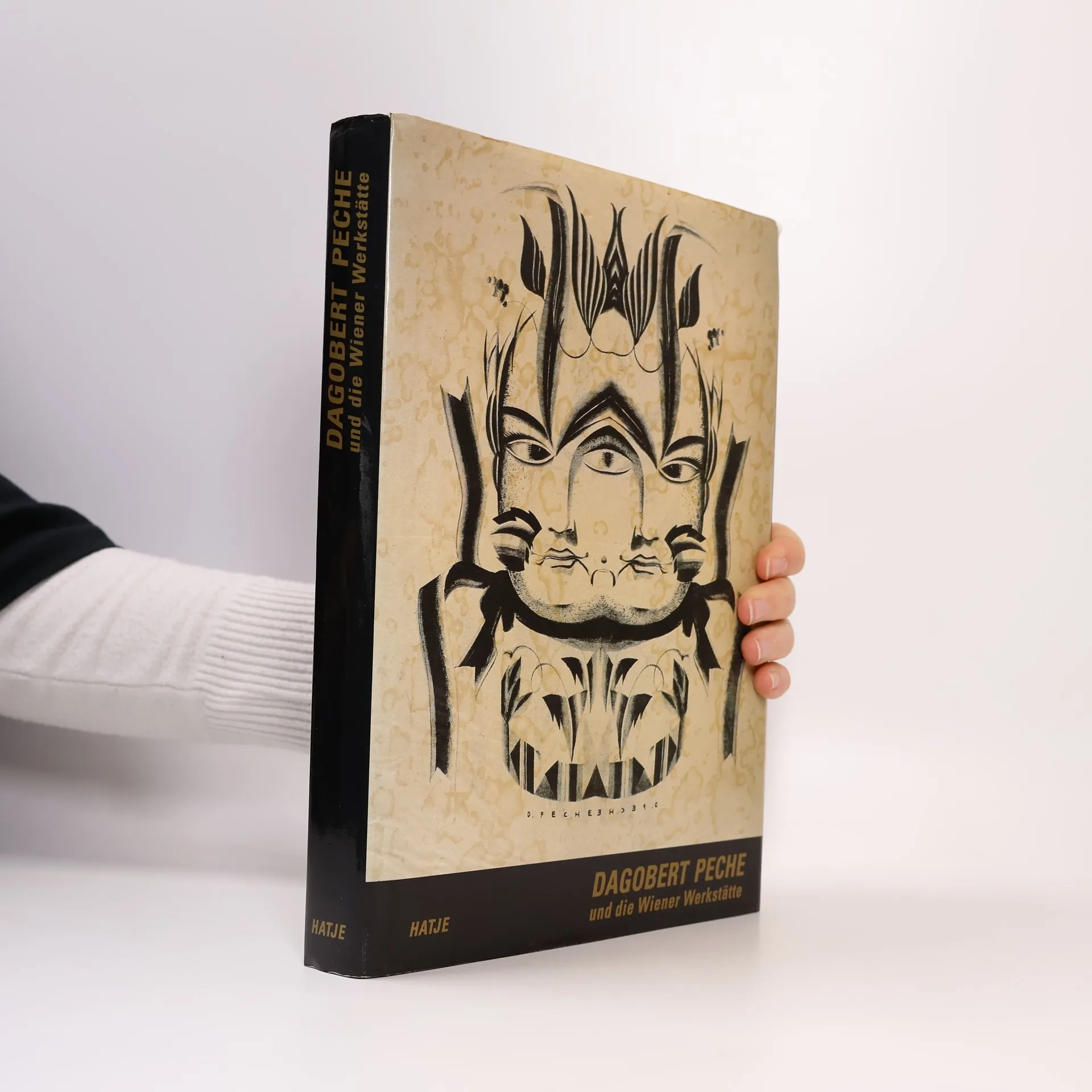
With contributions from various scholars, this illustrated work highlights the significance of Dagobert Peche (1887-1923), a pivotal figure in the Austrian arts and crafts movement. Alongside Josef Hoffmann and Koloman Moser, Peche shaped the Wiener Werkstatte with his innovative designs. Hoffmann, who initially hired Peche as an assistant, later acknowledged Peche's profound impact, stating he was "Austria's greatest genius in ornamentation since the days of the Baroque." Peche's contributions to decorative arts are receiving renewed critical attention, particularly in the context of postmodernism. His extravagant material use, imaginative eclecticism, bold forms, playful creativity, and instinctive design sensibility exemplify his artistic brilliance. This book aims to deepen the understanding of Austrian arts and crafts at the turn of the twentieth century, showcasing Peche's diverse work across various mediums, including interior and exhibition design, furniture, fashion, textiles, ceramics, glass, metalwork, jewelry, and wallpaper. Through this exploration, Peche's legacy is properly contextualized within the rich tapestry of the era's artistic movements.
Zakup książki
Dagobert Peche und die Wiener Werkstätte, Peter Noever, Linde von Keyserlingk, Hanna Egger, Dagobert Peche, Österreichisches Museum für Angewandte Kunst
- Język

- Rok wydania
- 1998
Metody płatności
Brakuje nam tutaj Twojej recenzji.
- Tytuł
- Dagobert Peche und die Wiener Werkstätte
- Podtytuł
- Die Überwindung der Utilität
- Język
- niemiecki
- Autorzy
- Peter Noever, Linde von Keyserlingk, Hanna Egger, Dagobert Peche, Österreichisches Museum für Angewandte Kunst
- Wydawca
- Hatje Cantz
- Rok wydania
- 1998
- Liczba stron
- 358
- ISBN10
- 3775707530
- ISBN13
- 9783775707534
- Seria
- Tagi
- Sztuka, Katalogi wystaw, Austria, Muzea, Wiedeń, Sztuka dekoracyjna, Secesja
- Ocena
- 5 z 5
- Opis
- With contributions from various scholars, this illustrated work highlights the significance of Dagobert Peche (1887-1923), a pivotal figure in the Austrian arts and crafts movement. Alongside Josef Hoffmann and Koloman Moser, Peche shaped the Wiener Werkstatte with his innovative designs. Hoffmann, who initially hired Peche as an assistant, later acknowledged Peche's profound impact, stating he was "Austria's greatest genius in ornamentation since the days of the Baroque." Peche's contributions to decorative arts are receiving renewed critical attention, particularly in the context of postmodernism. His extravagant material use, imaginative eclecticism, bold forms, playful creativity, and instinctive design sensibility exemplify his artistic brilliance. This book aims to deepen the understanding of Austrian arts and crafts at the turn of the twentieth century, showcasing Peche's diverse work across various mediums, including interior and exhibition design, furniture, fashion, textiles, ceramics, glass, metalwork, jewelry, and wallpaper. Through this exploration, Peche's legacy is properly contextualized within the rich tapestry of the era's artistic movements.