

Parametry
- 336 stron
- 12 godzin czytania
Więcej o książce
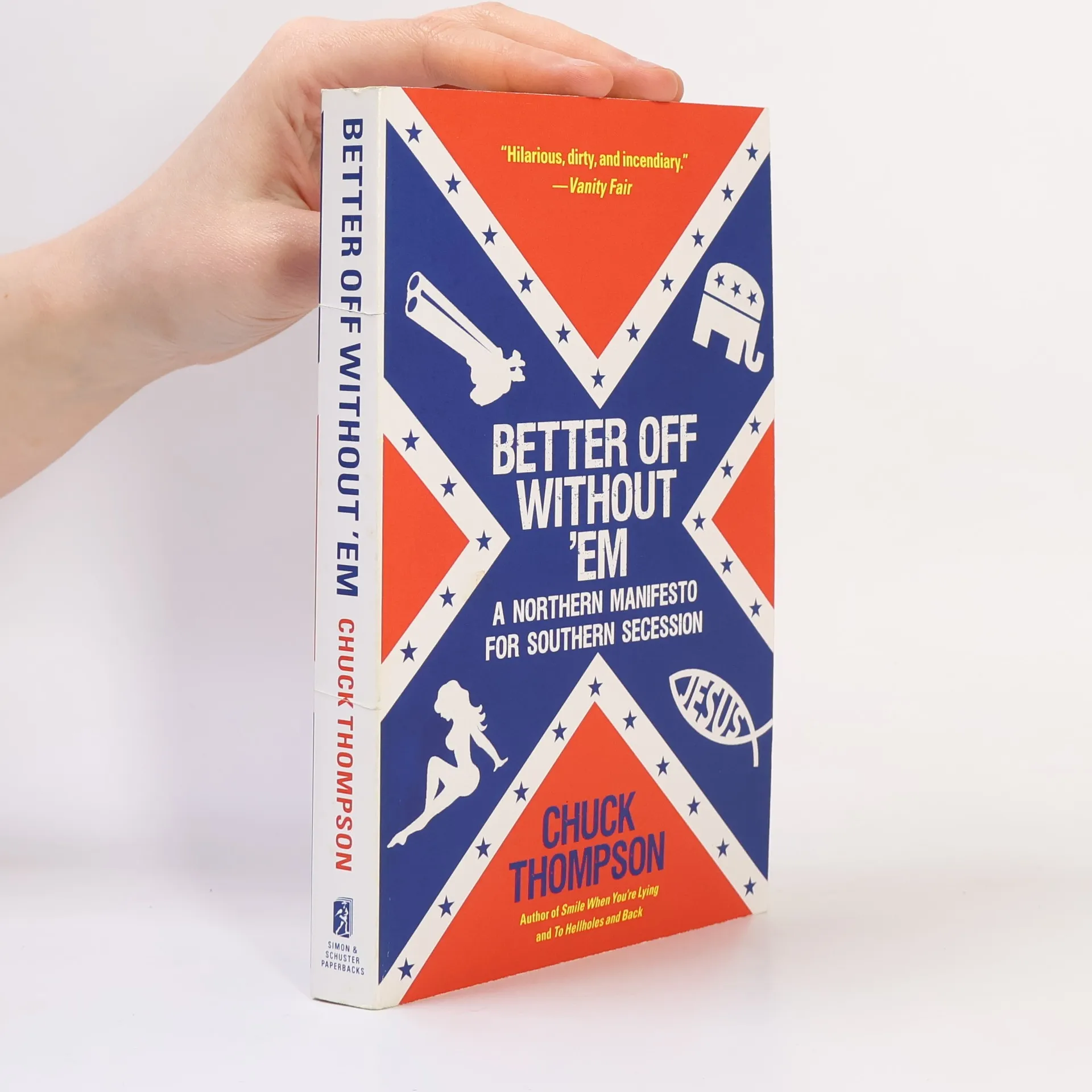
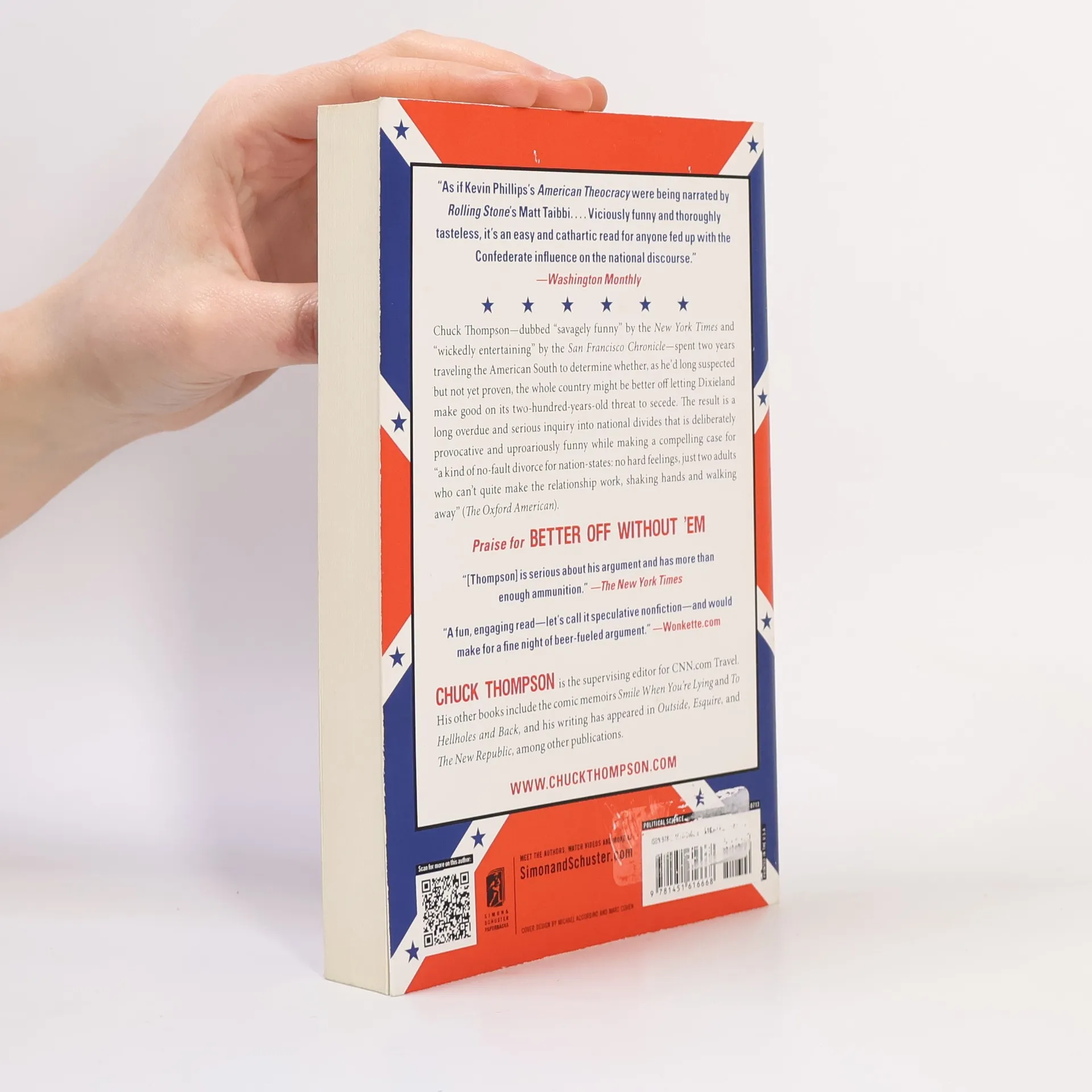
"As if Kevin Phillips's American Theocracy were being narrated by Rolling Stone 's Matt Taibbi," Chuck Thompson's "viciously funny and thoroughly tasteless" examination of Southern secession was one of the most controversial books of the year ( Washington Monthly ). Chuck Thompson—dubbed “savagely funny” by the New York Times and “wickedly entertaining” by the San Francisco Chronicle—spent two years traveling the American South to determine whether, as he’d long suspected but not yet proven, the whole country might be better off letting Dixieland make good on its two-hundred-years-old threat to secede. The result is a long overdue and serious inquiry into national divides that is deliberately provocative and uproariously funny while making a compelling case for “a kind of no-fault divorce for nation-states: no hard feelings, just two adults who can’t quite make the relationship work, shaking hands and walking away” (The Oxford American).
Zakup książki
Better Off Without 'Em, Chuck Thompson
- Język

- Rok wydania
- 2012
- Oprawa
- (miękka)
Metody płatności
Brakuje nam tutaj Twojej recenzji.
- Tytuł
- Better Off Without 'Em
- Podtytuł
- A Northern Manifesto for Southern Secession
- Język
- angielski
- Autorzy
- Chuck Thompson
- Wydawca
- Simon & Schuster
- Rok wydania
- 2012
- Oprawa
- miękka
- Liczba stron
- 336
- ISBN10
- 145161666X
- ISBN13
- 9781451616668
- Seria
- Kategorie
- Tagi
- Tematy historyczne, Podróże, Tematy religijne, Humor, Polityka, USA, Teorie polityczne, Nowy Jork, Wojna domowa, Socjalizm, Nowa Anglia, Liberalizm, Karolina Południowa
- Ocena
- 3,4 z 5
- Opis
- "As if Kevin Phillips's American Theocracy were being narrated by Rolling Stone 's Matt Taibbi," Chuck Thompson's "viciously funny and thoroughly tasteless" examination of Southern secession was one of the most controversial books of the year ( Washington Monthly ). Chuck Thompson—dubbed “savagely funny” by the New York Times and “wickedly entertaining” by the San Francisco Chronicle—spent two years traveling the American South to determine whether, as he’d long suspected but not yet proven, the whole country might be better off letting Dixieland make good on its two-hundred-years-old threat to secede. The result is a long overdue and serious inquiry into national divides that is deliberately provocative and uproariously funny while making a compelling case for “a kind of no-fault divorce for nation-states: no hard feelings, just two adults who can’t quite make the relationship work, shaking hands and walking away” (The Oxford American).