

Więcej o książce
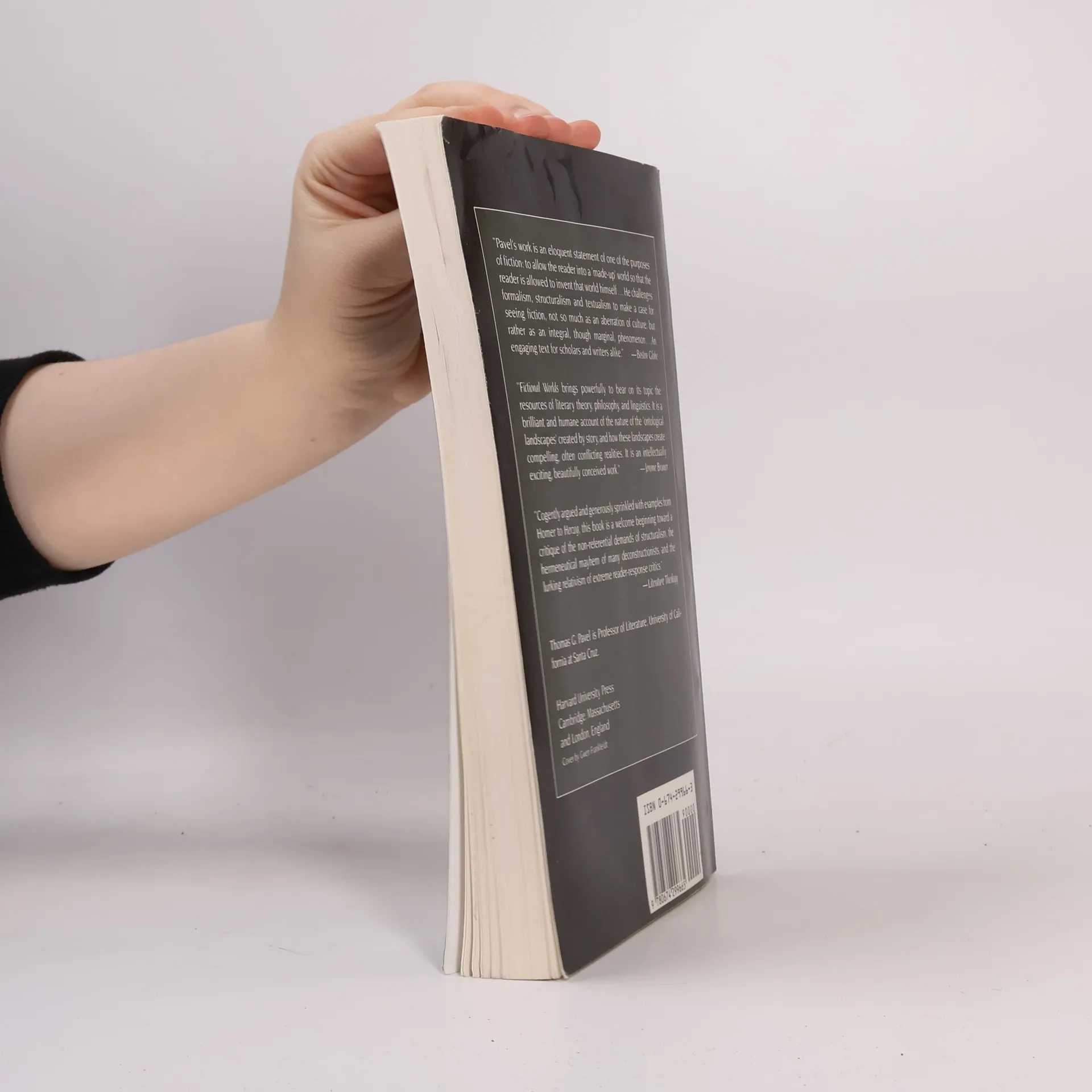
Creators of fiction demand that we venture into alien spaces, into the worlds of Antigone, Don Quixote, Faust, Sherlock Holmes. Created worlds may resemble the actual world, but they can just as easily be deemed incomplete, precarious, or irrelevant. Why, then, does fiction continue to pull us in and, more interesting perhaps, how? In this beautiful book Thomas Pavel provides a poetics of the imaginary worlds of fiction, their properties, and their reason for being.Pavel is a noted literary theorist and a novelist as well. His genial, graceful book has a polemical he notes that structuralism started as a project to infuse new life into literary studies through the devices of linguistics. That project undercut referential issues, however, and is now obsolete. Pavel argues that what matters about fiction is its relation to the human capacity of invention and the complex requirements of imagination. He moves decisively beyond the constraints of formalism and textualism toward a diverse theory of fiction that is sensitive to both literary and philosophical concerns. Along the way he takes us through special landscapes that reveal the inextricability of art, religion, and myth. This is a venturesome book of the first order.
Zakup książki
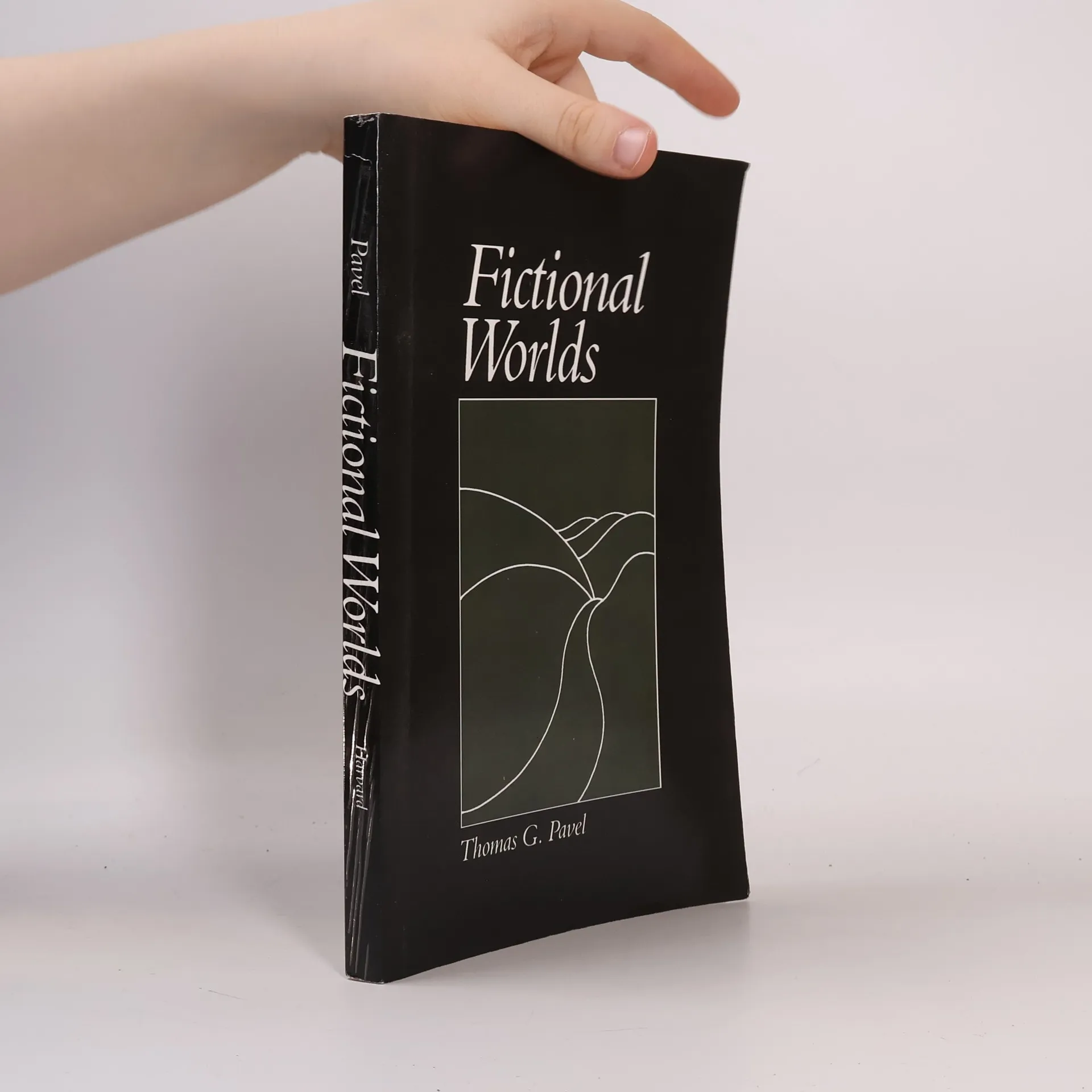
Fictional Worlds, Thomas G. Pavel
- Język

- Rok wydania
- 1986
- Oprawa
- (miękka)
Metody płatności
Brakuje nam tutaj Twojej recenzji.
- Tytuł
- Fictional Worlds
- Język
- angielski
- Autorzy
- Thomas G. Pavel
- Wydawca
- Harvard University Press
- Rok wydania
- 1986
- Oprawa
- miękka
- Liczba stron
- 190
- ISBN10
- 0674299663
- ISBN13
- 9780674299665
- Seria
- Kategorie
- Ocena
- 3,8 z 5
- Opis
- Creators of fiction demand that we venture into alien spaces, into the worlds of Antigone, Don Quixote, Faust, Sherlock Holmes. Created worlds may resemble the actual world, but they can just as easily be deemed incomplete, precarious, or irrelevant. Why, then, does fiction continue to pull us in and, more interesting perhaps, how? In this beautiful book Thomas Pavel provides a poetics of the imaginary worlds of fiction, their properties, and their reason for being.Pavel is a noted literary theorist and a novelist as well. His genial, graceful book has a polemical he notes that structuralism started as a project to infuse new life into literary studies through the devices of linguistics. That project undercut referential issues, however, and is now obsolete. Pavel argues that what matters about fiction is its relation to the human capacity of invention and the complex requirements of imagination. He moves decisively beyond the constraints of formalism and textualism toward a diverse theory of fiction that is sensitive to both literary and philosophical concerns. Along the way he takes us through special landscapes that reveal the inextricability of art, religion, and myth. This is a venturesome book of the first order.