



Parametry
- 160 stron
- 6 godzin czytania
Więcej o książce
This Very Short Introduction presents essential concepts such as political authority, democracy, freedom and its limits, justice, feminism, multiculturalism, and nationality. Written for those with no prior knowledge, it encourages clear and critical thinking about contemporary political questions. The author begins by addressing fundamental ethical inquiries like "how should we live together in society?" He examines political authority, the necessity of politics, its limitations, and whether certain aspects of life should remain outside political governance. The connection between political authority and justice is explored, emphasizing how social justice can regulate a market economy rather than undermine it. Additionally, the author discusses nations as natural units of government and contemplates the impact of multiculturalism and transnational cooperation on this dynamic, ultimately questioning the possibility of a world government. Combining authority with wit and accessibility, this series introduces readers to intriguing topics, showcasing contemporary thought on central issues across various fields, from philosophy to science.
Zakup książki
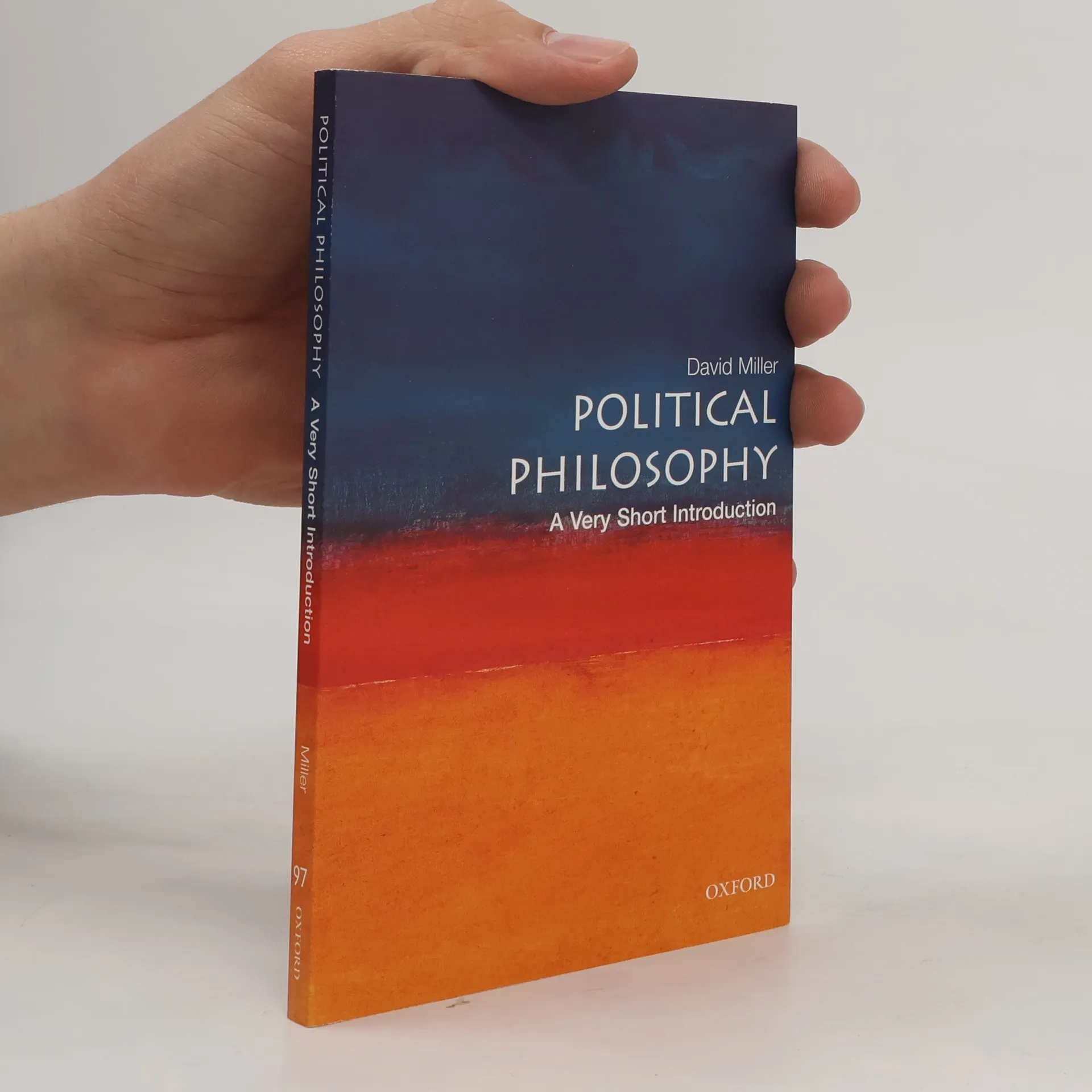
Very Short Introductions - 97: Political Philosophy, David Miller
- Język

- Rok wydania
- 2003
- Oprawa
- (miękka)
Metody płatności
Brakuje nam tutaj Twojej recenzji.
- Tytuł
- Very Short Introductions - 97: Political Philosophy
- Podtytuł
- A Very Short Introduction
- Język
- angielski
- Autorzy
- David Miller
- Wydawca
- Oxford University Press
- Rok wydania
- 2003
- Oprawa
- miękka
- Liczba stron
- 160
- ISBN10
- 0192803956
- ISBN13
- 9780192803955
- Seria
- Tagi
- Tematy historyczne, Poradniki, Tematyka filozoficzna, Polityka, Literatura fachowa, Teorie polityczne, Teorie naukowe, Demokracja, Prawa człowieka, Filozofia polityczna
- Ocena
- 3,7 z 5
- Opis
- This Very Short Introduction presents essential concepts such as political authority, democracy, freedom and its limits, justice, feminism, multiculturalism, and nationality. Written for those with no prior knowledge, it encourages clear and critical thinking about contemporary political questions. The author begins by addressing fundamental ethical inquiries like "how should we live together in society?" He examines political authority, the necessity of politics, its limitations, and whether certain aspects of life should remain outside political governance. The connection between political authority and justice is explored, emphasizing how social justice can regulate a market economy rather than undermine it. Additionally, the author discusses nations as natural units of government and contemplates the impact of multiculturalism and transnational cooperation on this dynamic, ultimately questioning the possibility of a world government. Combining authority with wit and accessibility, this series introduces readers to intriguing topics, showcasing contemporary thought on central issues across various fields, from philosophy to science.