

Parametry
- 320 stron
- 12 godzin czytania
Więcej o książce
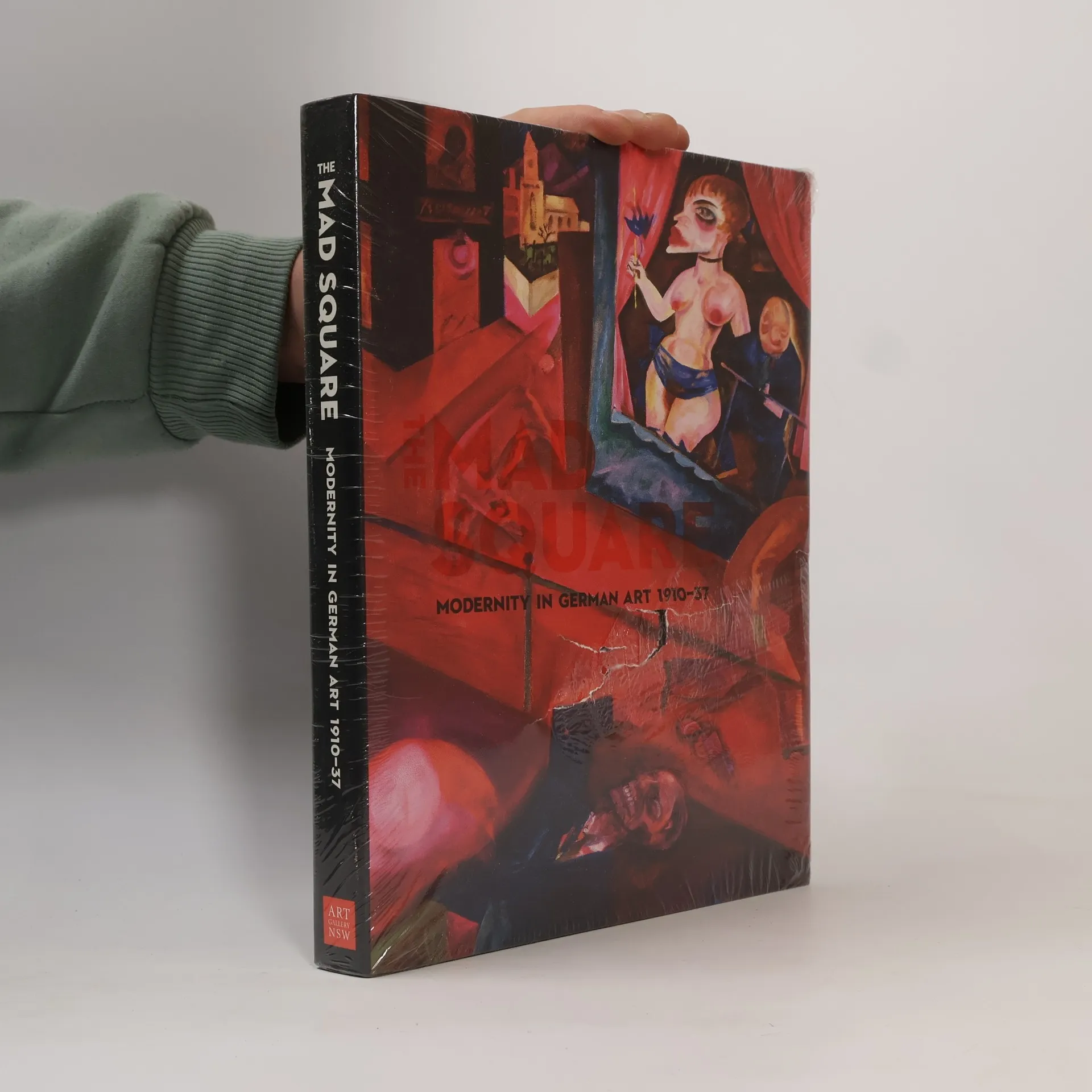
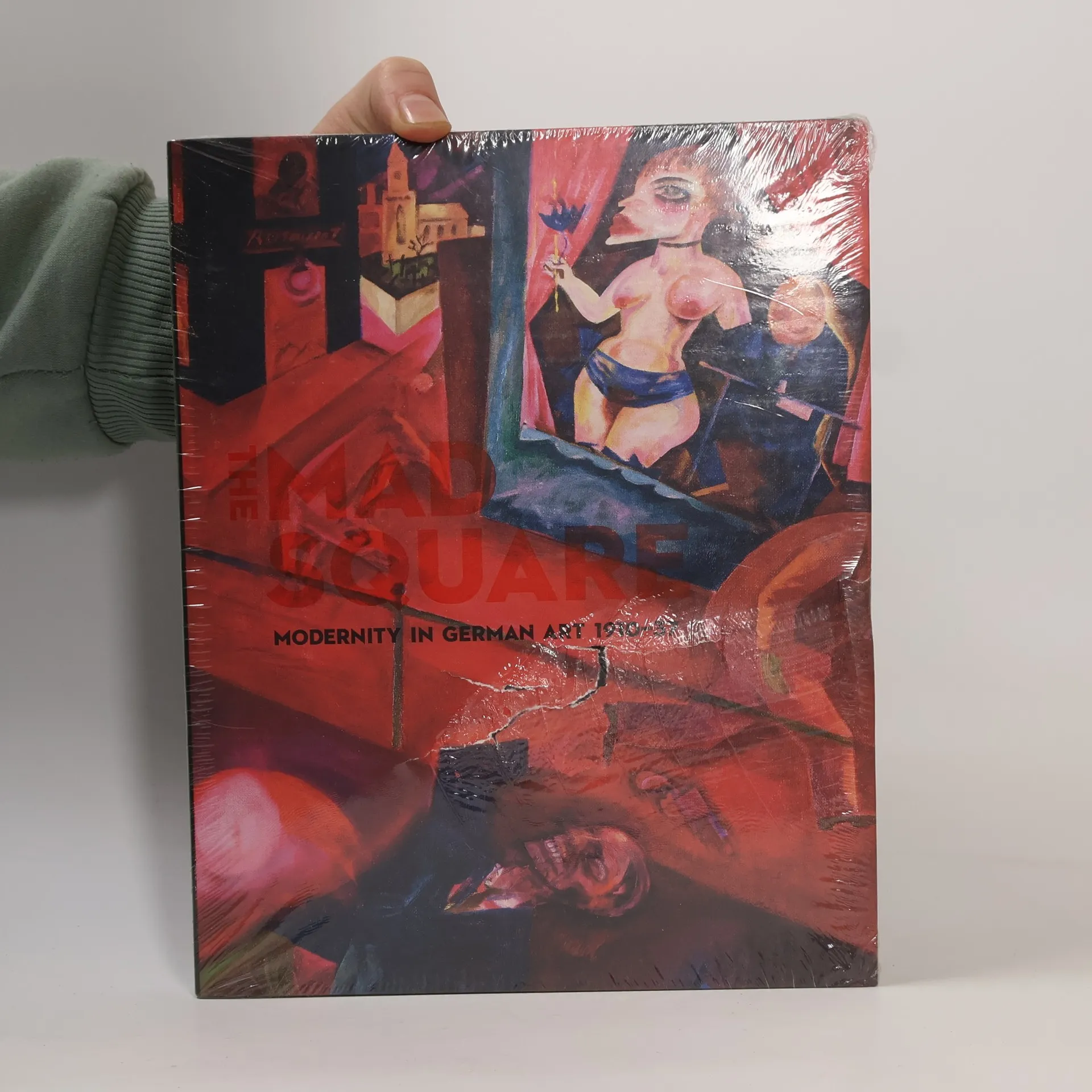
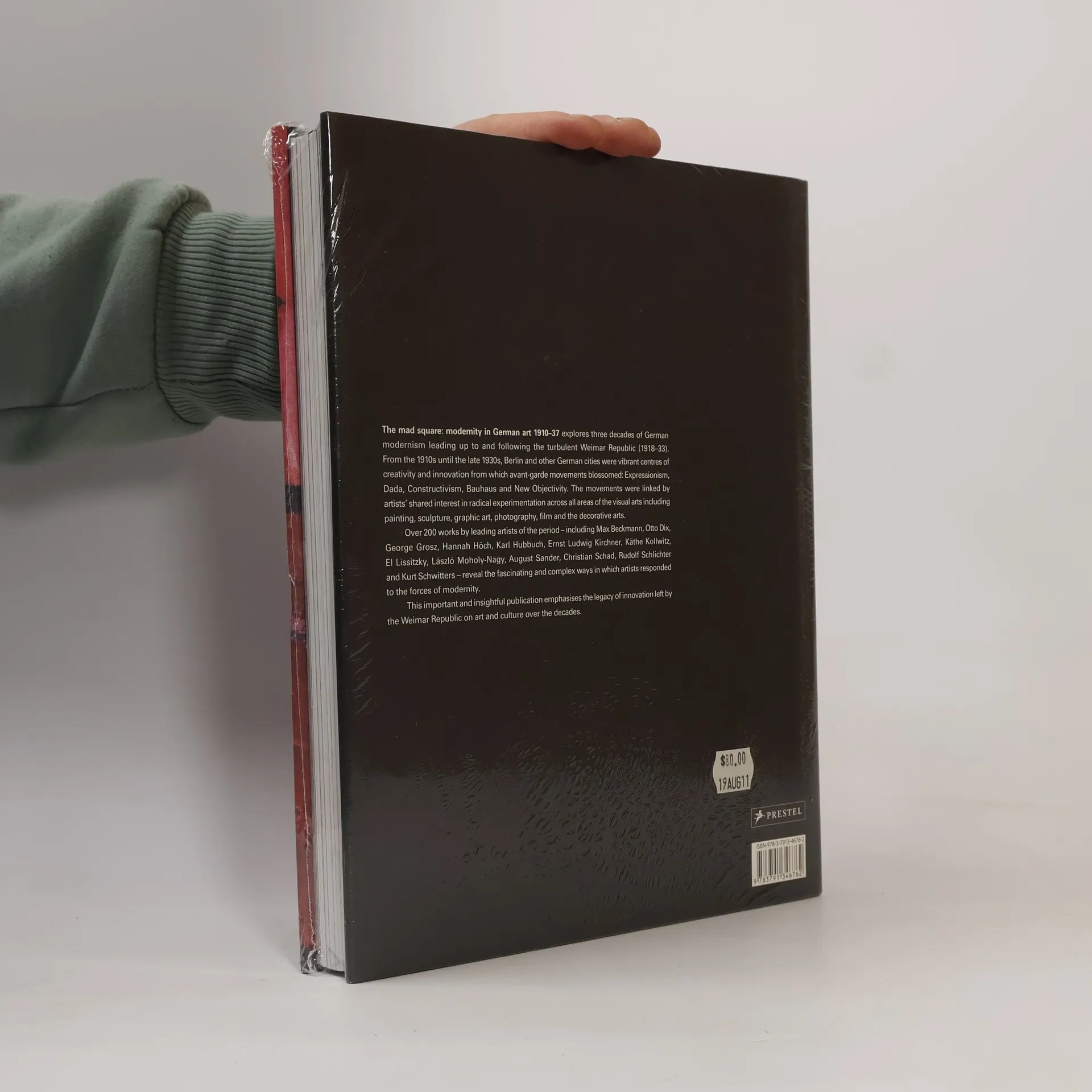
This insightful volume focuses on the full array of artists and movements of the German avant-garde. The years between the birth of the Weimar Republic and Hitler's rise to power were marked by explosive creative output. This volume surveys every major movement of Germany's modernist period. Focusing on the work and interactions of several important artists. Starting with the Expressionists' emotionally fraught reaction to the country's march to war, the book then follows the nihilist movement as it recorded-and attempted to make sense of-the horrors of war. The emergence of Dadaism, the utopian vision of the Bauhaus School, and the practical ideologies of the New Objectivity movement are also given close consideration. Stunning reproductions of more than 200 works reflect the fascinating and complex ways artists responded to the forces of modernity with passion, anger, dark humor, and despair. Informative essays explore the historical events that shaped those artistic innovations as well as the often-tense relationship between art and politics during this critical time in the history of the Western World. The result is a wide-ranging exploration of one of the most dynamic and influential periods of artistic output.
Zakup książki
The Mad Square, Jacqueline Strecker, Art Gallery of New South Wales, National Gallery of Victoria
- Język

- Rok wydania
- 2011
- Oprawa
- (twarda)
Metody płatności
Brakuje nam tutaj Twojej recenzji.
- Tytuł
- The Mad Square
- Podtytuł
- Modernity in German Art 1910-1937
- Język
- angielski
- Wydawca
- Prestel
- Rok wydania
- 2011
- Oprawa
- twarda
- Liczba stron
- 320
- ISBN10
- 3791346768
- ISBN13
- 9783791346762
- Seria
- Tagi
- Tematy historyczne, Sztuki piękne, Sztuka, Niemcy, Katalogi wystaw, Zachodnia Europa, Sztuka Nowoczesna, Republika Weimarska, Oceania
- Ocena
- 4,35 z 5
- Opis
- This insightful volume focuses on the full array of artists and movements of the German avant-garde. The years between the birth of the Weimar Republic and Hitler's rise to power were marked by explosive creative output. This volume surveys every major movement of Germany's modernist period. Focusing on the work and interactions of several important artists. Starting with the Expressionists' emotionally fraught reaction to the country's march to war, the book then follows the nihilist movement as it recorded-and attempted to make sense of-the horrors of war. The emergence of Dadaism, the utopian vision of the Bauhaus School, and the practical ideologies of the New Objectivity movement are also given close consideration. Stunning reproductions of more than 200 works reflect the fascinating and complex ways artists responded to the forces of modernity with passion, anger, dark humor, and despair. Informative essays explore the historical events that shaped those artistic innovations as well as the often-tense relationship between art and politics during this critical time in the history of the Western World. The result is a wide-ranging exploration of one of the most dynamic and influential periods of artistic output.