

Więcej o książce
R. B. GREENBLATT discusses the evolution of oral contraceptives, highlighting that early formulations contained higher doses of oestrogen (ethinyloestradiol or mestranol) and progestagen (norethynodrel or norethisterone) than necessary for effective conception control. Over time, there has been a trend towards reducing these dosages to minimize side effects while maintaining efficacy. However, lower dosages have led to increased instances of spotting and breakthrough bleeding in the initial months of use. The sequential pill, which aimed to align more closely with physiological principles, required larger doses of oestrogen to prevent ovulation, resulting in a higher pregnancy rate and making it less appealing. A new triphasic formulation has emerged that leverages the synergy between ethinyloestradiol and levonorgestrel, allowing for low doses of oestrogen and very low doses of progestagen to be used effectively. This preparation is associated with fewer side effects, adhering to the pharmacological principle of minimal dosing for desired outcomes. The regimen divides the cycle into three phases, using varying doses of oestrogen over 21 days, closely mimicking the natural hormonal fluctuations in the menstrual cycle.
Zakup książki
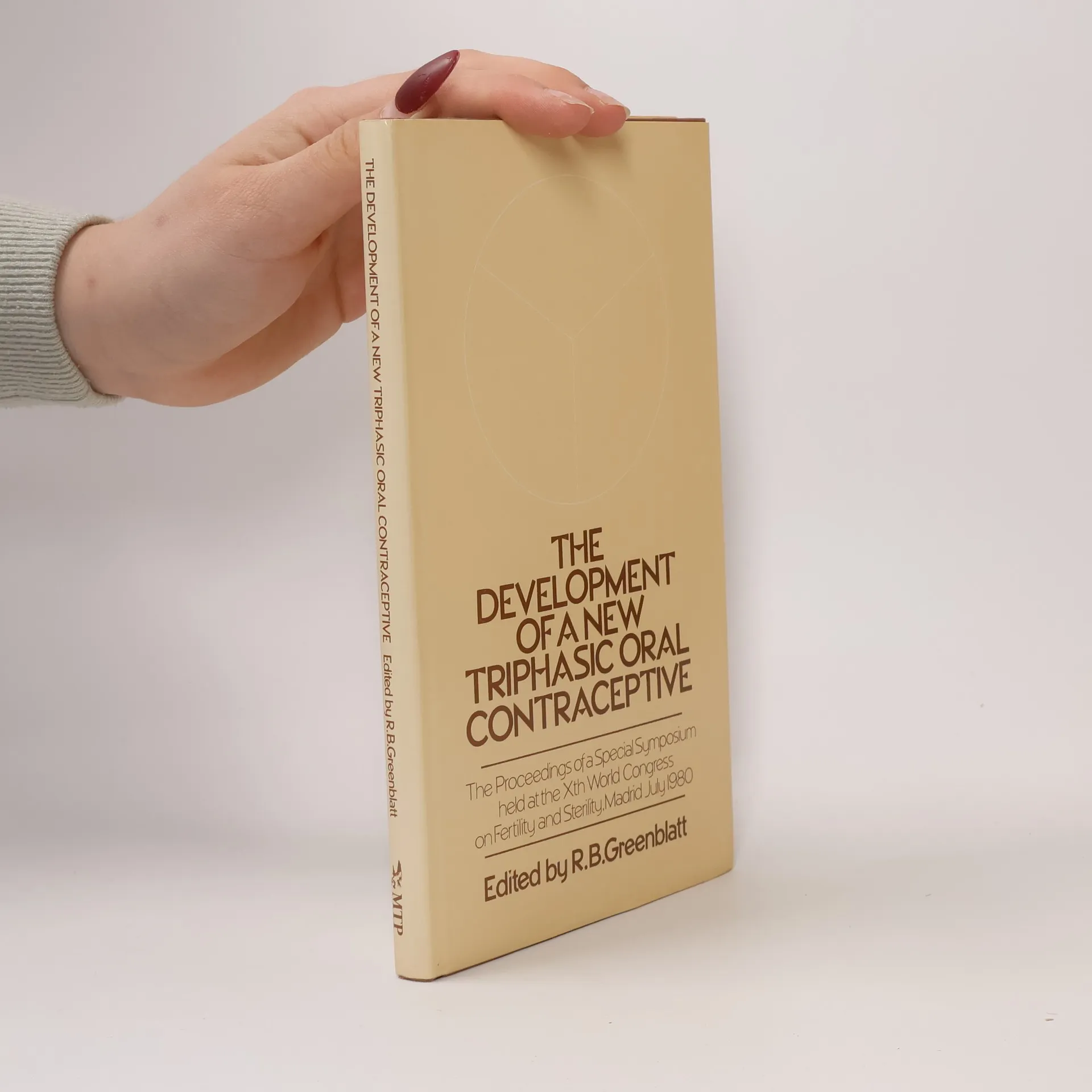
The Development of a New Triphasic Oral Contraceptive, R. B. Greenblatt
- Język

- Rok wydania
- 1980
- Oprawa
- (twarda)
Metody płatności
Nikt jeszcze nie ocenił.
- Tytuł
- The Development of a New Triphasic Oral Contraceptive
- Podtytuł
- The Proceedings of a Special Symposium held at the 10th World Congress on Fertility and Sterility, Madrid July 1980
- Język
- angielski
- Autorzy
- R. B. Greenblatt
- Wydawca
- Springer
- Rok wydania
- 1980
- Oprawa
- twarda
- Liczba stron
- 128
- ISBN10
- 0852003765
- ISBN13
- 9780852003763
- Seria
- Kategorie
- Opis
- R. B. GREENBLATT discusses the evolution of oral contraceptives, highlighting that early formulations contained higher doses of oestrogen (ethinyloestradiol or mestranol) and progestagen (norethynodrel or norethisterone) than necessary for effective conception control. Over time, there has been a trend towards reducing these dosages to minimize side effects while maintaining efficacy. However, lower dosages have led to increased instances of spotting and breakthrough bleeding in the initial months of use. The sequential pill, which aimed to align more closely with physiological principles, required larger doses of oestrogen to prevent ovulation, resulting in a higher pregnancy rate and making it less appealing. A new triphasic formulation has emerged that leverages the synergy between ethinyloestradiol and levonorgestrel, allowing for low doses of oestrogen and very low doses of progestagen to be used effectively. This preparation is associated with fewer side effects, adhering to the pharmacological principle of minimal dosing for desired outcomes. The regimen divides the cycle into three phases, using varying doses of oestrogen over 21 days, closely mimicking the natural hormonal fluctuations in the menstrual cycle.