

Więcej o książce
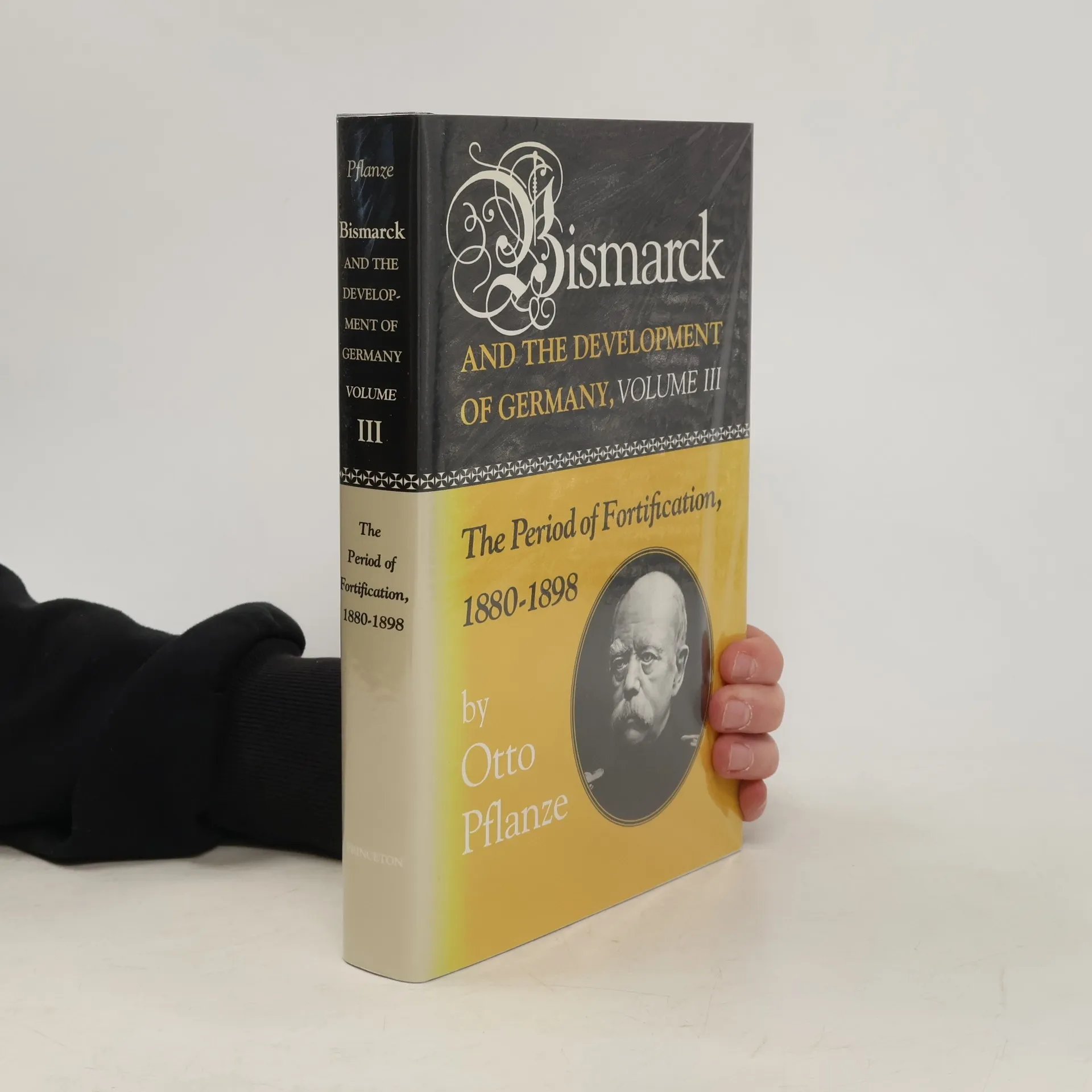
This monumental three-volume work offers a profound analysis of Bismarck and his era, serving as a masterful study of nineteenth-century Germany. Otto Pflanze's trilogy synthesizes various aspects of the German historical experience—economic, social, political, and intellectual—highlighting the interplay between Bismarck's genius and the forces that shaped him and were reshaped by him. It emphasizes the necessity of reassessing Germany's past in light of the twentieth century's tragedies, providing fresh insights into the internal and international political systems of Bismarck's time while vividly portraying Bismarck's complex personality. Volume I covers the period of unification (1815-1871), exploring Bismarck's role in Germany's unification and his influence on its history. It reflects on his duality—his acknowledgment of historical forces and his will to power. Volume II focuses on the consolidation period (1871-1880), when Bismarck emerged as a dominant political figure, addressing the challenges of maintaining order rather than pursuing conquest. Volume III examines the period of fortification (1880-1898), detailing Bismarck's responses to economic depression and his political frustrations, culminating in his conflict with Wilhelm II. The trilogy concludes with a discussion of the enduring Bismarck legend and its implications for Germany's quest for reunification.
Zakup książki
Bismarck and the Development of Germany, Otto Pflanze
- Język

- Rok wydania
- 1990
- Oprawa
- (twarda)
Metody płatności
Brakuje nam tutaj Twojej recenzji.
- Tytuł
- Bismarck and the Development of Germany
- Podtytuł
- The Period of Fortification, 1880-1898
- Język
- angielski
- Autorzy
- Otto Pflanze
- Wydawca
- Princeton University Press
- Rok wydania
- 1990
- Oprawa
- twarda
- Liczba stron
- 474
- ISBN10
- 0691055890
- ISBN13
- 9780691055893
- Tagi
- Tematy historyczne, Polityka, Niemcy, USA, Europa, XIX wiek, Historia Europy, Historia Niemiec, Historia polityczna
- Ocena
- 4 z 5
- Opis
- This monumental three-volume work offers a profound analysis of Bismarck and his era, serving as a masterful study of nineteenth-century Germany. Otto Pflanze's trilogy synthesizes various aspects of the German historical experience—economic, social, political, and intellectual—highlighting the interplay between Bismarck's genius and the forces that shaped him and were reshaped by him. It emphasizes the necessity of reassessing Germany's past in light of the twentieth century's tragedies, providing fresh insights into the internal and international political systems of Bismarck's time while vividly portraying Bismarck's complex personality. Volume I covers the period of unification (1815-1871), exploring Bismarck's role in Germany's unification and his influence on its history. It reflects on his duality—his acknowledgment of historical forces and his will to power. Volume II focuses on the consolidation period (1871-1880), when Bismarck emerged as a dominant political figure, addressing the challenges of maintaining order rather than pursuing conquest. Volume III examines the period of fortification (1880-1898), detailing Bismarck's responses to economic depression and his political frustrations, culminating in his conflict with Wilhelm II. The trilogy concludes with a discussion of the enduring Bismarck legend and its implications for Germany's quest for reunification.