

Więcej o książce
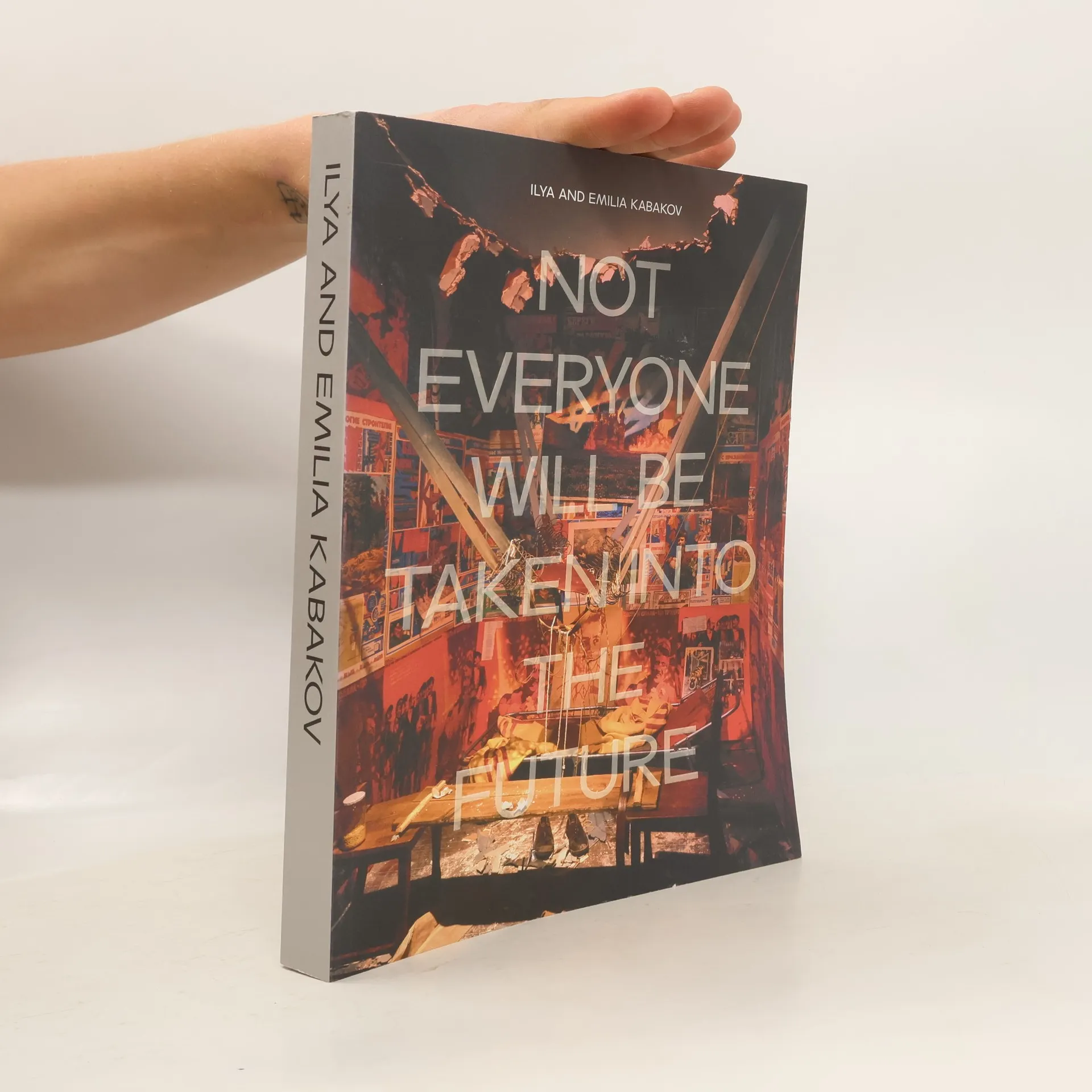
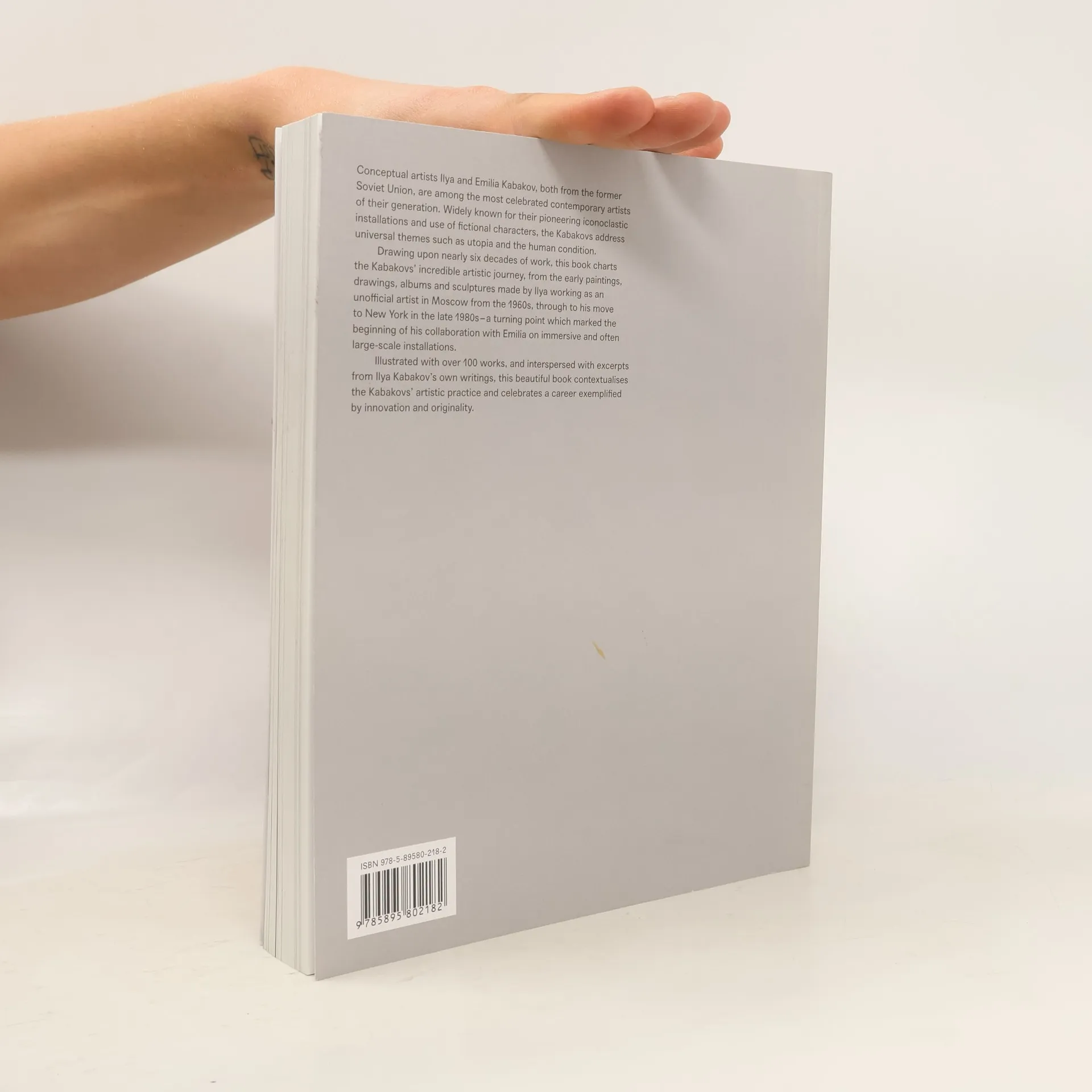
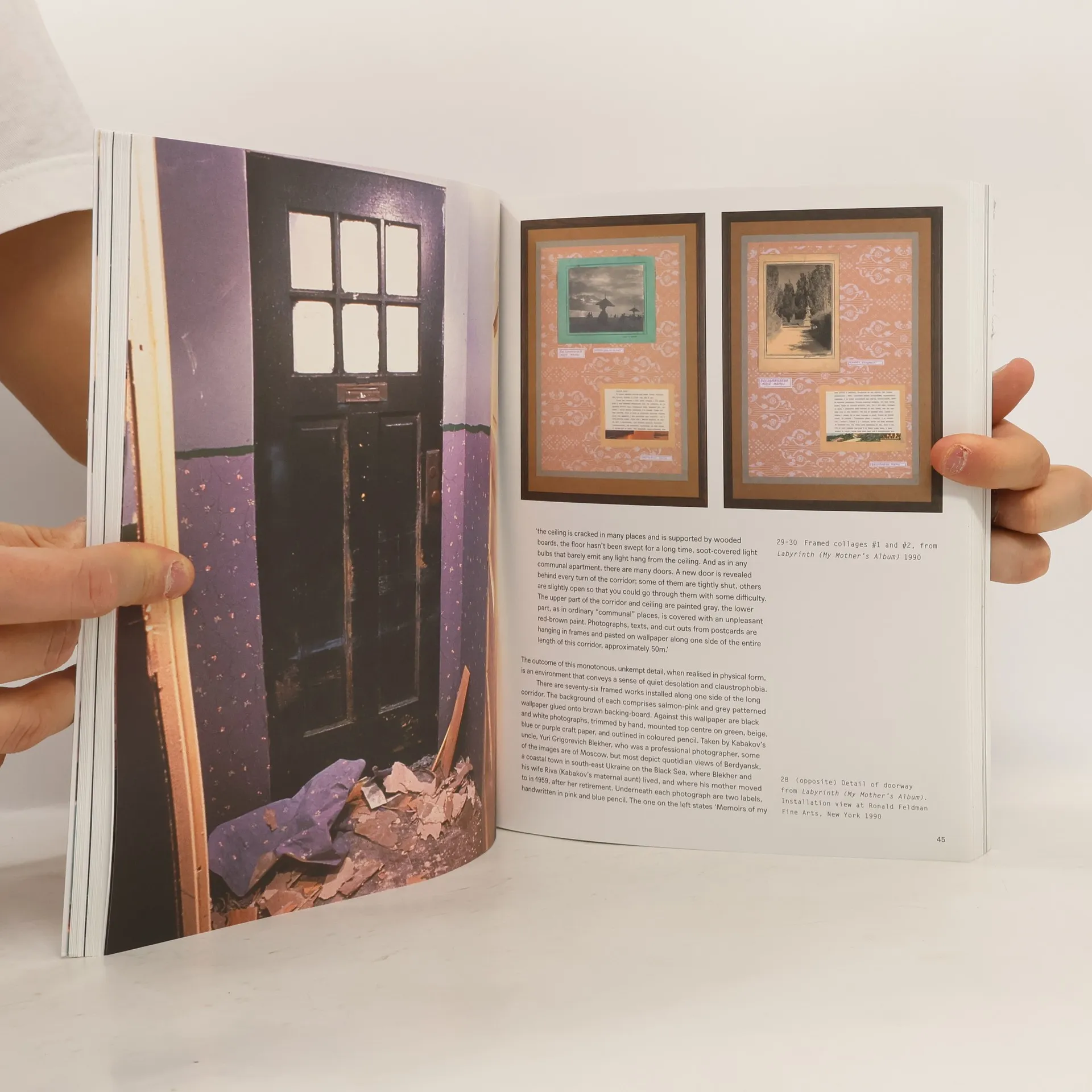
Russian-born conceptual artists Ilya and Emilia Kabakov are among the most celebrated artists of their generation. Known for their pioneering large-scale environments and installations, the artists’ work fuses the everyday with the conceptual. Deeply rooted in the visual culture of Soviet society yet speaking equally to universal themes, their work is characterized by a sense of melancholia but also by humor. This book traces a line from Ilya Kabakov’s early paintings, drawings, albums, and installations to the collaborative projects made with Emilia following his emigration to the West in 1987. Exploring themes of failed utopia and political disillusionment, as well as fantasies of escape and transcendence, the book also examines the relationship between aesthetics and politics, and the way painting has remained a central feature of their work. Texts by leading art writers and historians contextualize the artists’ practice, amplified by the artists’ own writings.
Zakup książki
Not Everyone Will Be Taken Into The Future, Ilʹja Iosifovic Kabakov
- Język

- Rok wydania
- 2018
- Oprawa
- (miękka)
Metody płatności
Nikt jeszcze nie ocenił.
- Tytuł
- Not Everyone Will Be Taken Into The Future
- Język
- angielski
- Autorzy
- Ilʹja Iosifovic Kabakov
- Wydawca
- Tretyakovskaya galereya
- Rok wydania
- 2018
- Oprawa
- miękka
- ISBN10
- 5895802184
- ISBN13
- 9785895802182
- Seria
- Opis
- Russian-born conceptual artists Ilya and Emilia Kabakov are among the most celebrated artists of their generation. Known for their pioneering large-scale environments and installations, the artists’ work fuses the everyday with the conceptual. Deeply rooted in the visual culture of Soviet society yet speaking equally to universal themes, their work is characterized by a sense of melancholia but also by humor. This book traces a line from Ilya Kabakov’s early paintings, drawings, albums, and installations to the collaborative projects made with Emilia following his emigration to the West in 1987. Exploring themes of failed utopia and political disillusionment, as well as fantasies of escape and transcendence, the book also examines the relationship between aesthetics and politics, and the way painting has remained a central feature of their work. Texts by leading art writers and historians contextualize the artists’ practice, amplified by the artists’ own writings.