

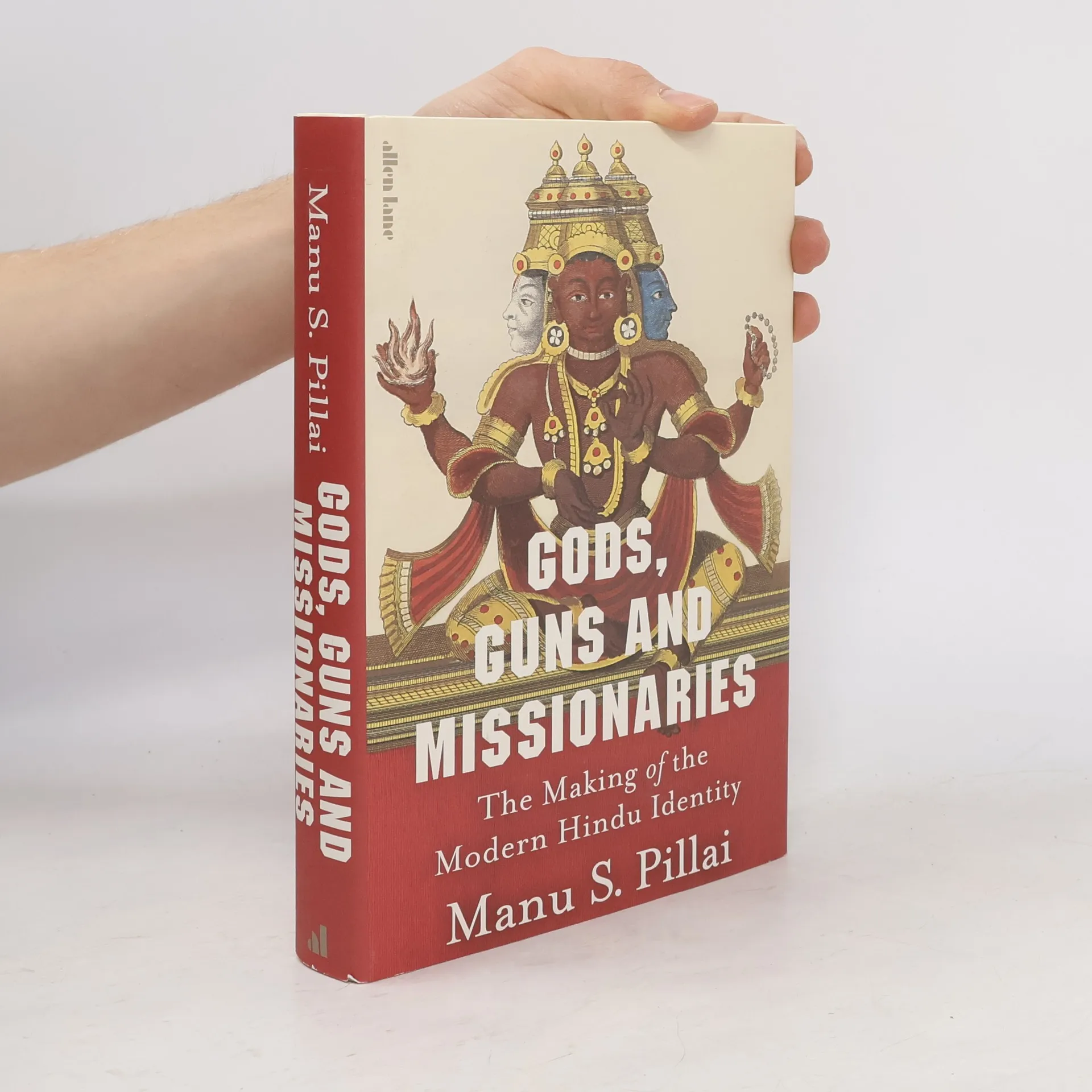


Parametry
- 624 strony
- 22 godziny czytania
Więcej o książce
When European missionaries arrived in India in the sixteenth century, they encountered a complex world that confounded their understanding. They viewed Hinduism as paganism, filled with devils and monstrous practices, but soon realized that the reality was far more intricate than their stereotypes suggested. Despite this, Hindus showed little interest in conversion. As European power expanded, missionaries adopted a more imposing stance. During the British Raj, Western ideologies gained prominence, prompting Hindus to rethink their religion to defend it against Christian critiques and resist colonial rule. This encounter significantly shaped modern Hinduism, as Hindus began to utilize some of the missionaries' own methods, leading to the rise of Hindu nationalism, which remains influential today. In this exploration, Manu S. Pillai presents a rich tapestry of historical dynamics, featuring a diverse array of figures—maharajahs, poets, revolutionaries, and philosophers. The work serves as a political history, an examination of Hindu culture, and a study of the social forces that laid the groundwork for Hindu nationalism. It challenges simplistic narratives about religious evolution and imperialism, revealing a past that is far more complex and nuanced than commonly portrayed.
Zakup książki
Gods, Guns and Missionaries, Manu S. Pillai
- Język

- Rok wydania
- 2025
- Oprawa
- (twarda)
Metody płatności
Brakuje nam tutaj Twojej recenzji.
- Tytuł
- Gods, Guns and Missionaries
- Podtytuł
- The Making of the Modern Hindu Identity
- Język
- angielski
- Autorzy
- Manu S. Pillai
- Wydawca
- Allen Lane
- Rok wydania
- 2025
- Oprawa
- twarda
- Liczba stron
- 624
- ISBN10
- 0241456940
- ISBN13
- 9780241456941
- Seria
- Kategorie
- Tagi
- Tematy historyczne, Tematy religijne, Tematyka filozoficzna, Polityka, Tematy chrześcijańskie, Azja, Teorie polityczne, Indie, Historia religii, Oświecenie, Nacjonalizm, Misje & Misjonarze, Filozofowie, Imperializm, Grupy Społeczne, Imperium Brytyjskie, Azja Południowa, Orientalizm
- Ocena
- 2,65 z 5
- Opis
- When European missionaries arrived in India in the sixteenth century, they encountered a complex world that confounded their understanding. They viewed Hinduism as paganism, filled with devils and monstrous practices, but soon realized that the reality was far more intricate than their stereotypes suggested. Despite this, Hindus showed little interest in conversion. As European power expanded, missionaries adopted a more imposing stance. During the British Raj, Western ideologies gained prominence, prompting Hindus to rethink their religion to defend it against Christian critiques and resist colonial rule. This encounter significantly shaped modern Hinduism, as Hindus began to utilize some of the missionaries' own methods, leading to the rise of Hindu nationalism, which remains influential today. In this exploration, Manu S. Pillai presents a rich tapestry of historical dynamics, featuring a diverse array of figures—maharajahs, poets, revolutionaries, and philosophers. The work serves as a political history, an examination of Hindu culture, and a study of the social forces that laid the groundwork for Hindu nationalism. It challenges simplistic narratives about religious evolution and imperialism, revealing a past that is far more complex and nuanced than commonly portrayed.