

Więcej o książce
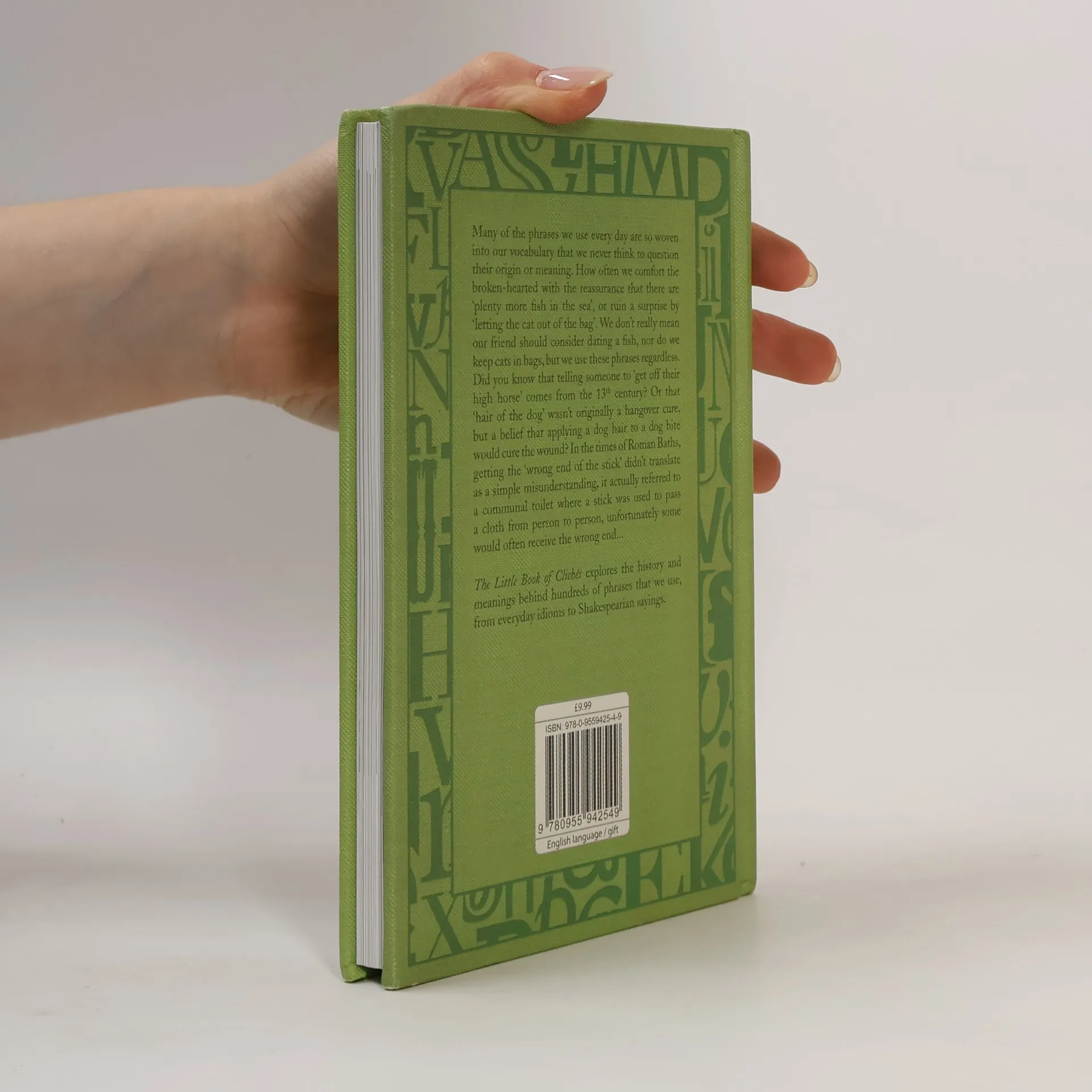
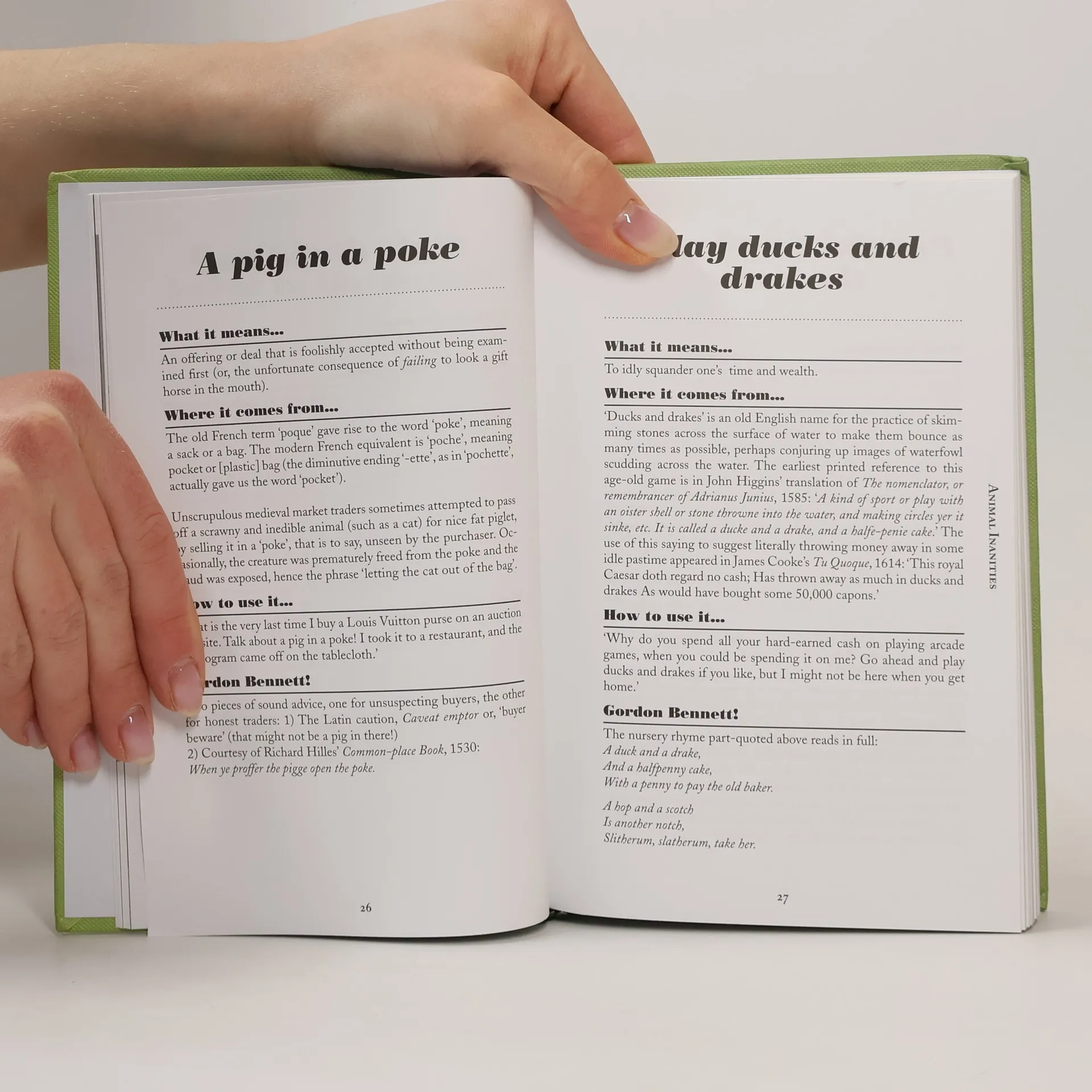
Many of the phrases we use every day are so woven into our vocabulary that we never think to question their origin or meaning. How often we comfort the broken-hearted with the reassurance that there are 'plenty more fish in the sea', or ruin a surprise by 'letting the cat out of the bag'. We don't really mean our friend should consider dating a fish, nor do we keep cats in bags, but we use these phrases regardless. Did you know that telling someone to 'get off their high horse' comes from the 13th century? Or that 'hair of the dog' wasn't originally a hangover cure, but belief that applying a dog hair to a dog bite would cure the wound? In the times of Roman Baths getting the 'wrong end of the stick' didn't translate as a simple misunderstanding, it actually referred to a communal toilet where a stick was used to pass a cloth from person to person, unfortunately some would often recieve the wrong end... The Little Book Of Clichés explores the history and meanings behind hundreds of phrases that we use, from everyday idioms to Shakespearian sayings.
Zakup książki
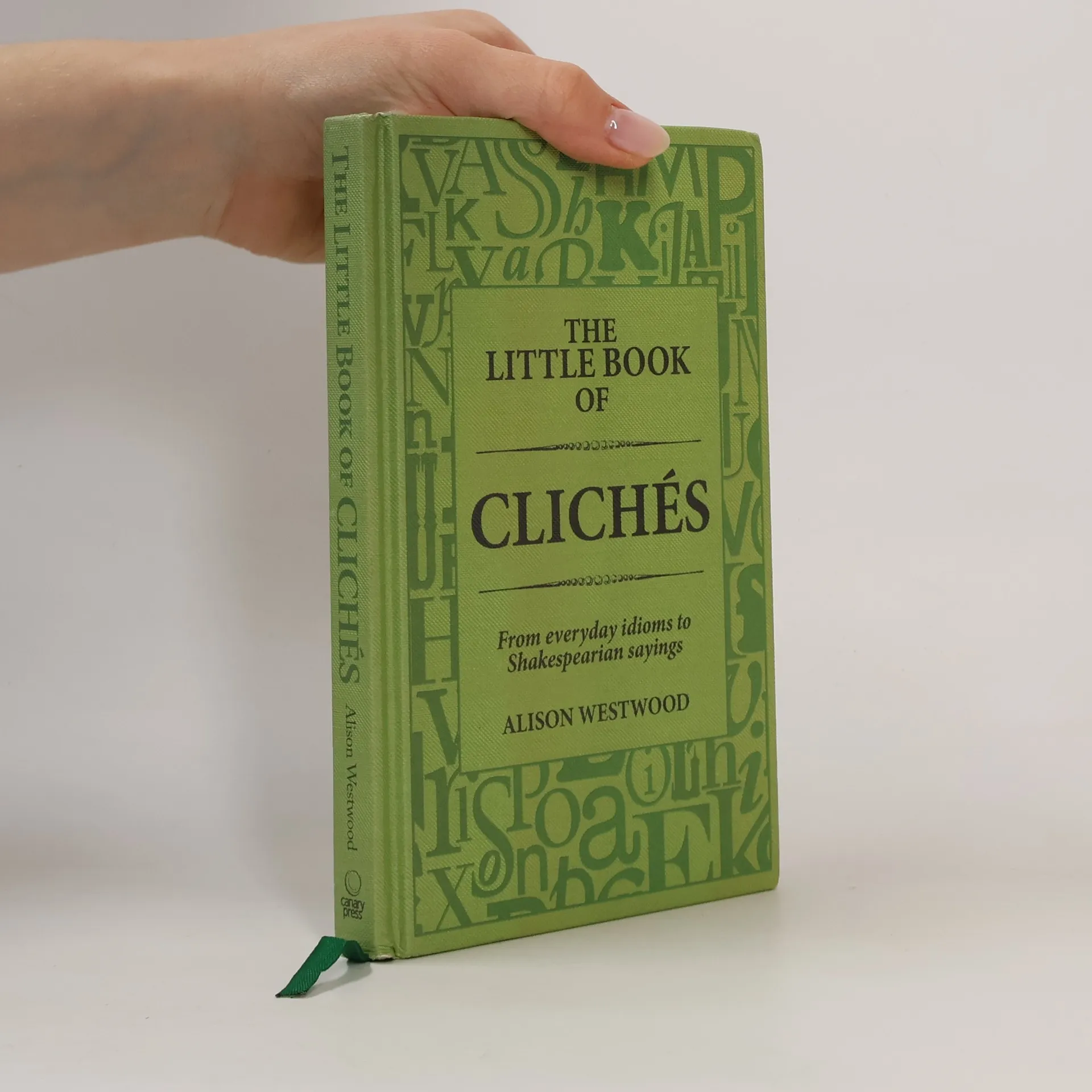
The Little Book of Clichés, Alison Westwood
- Język

- Rok wydania
- 2011
- Oprawa
- (twarda)
Metody płatności
Brakuje nam tutaj Twojej recenzji.
- Tytuł
- The Little Book of Clichés
- Podtytuł
- From Everyday Idioms to Shakespearian Sayings
- Język
- angielski
- Autorzy
- Alison Westwood
- Wydawca
- Canary Press
- Rok wydania
- 2011
- Oprawa
- twarda
- Liczba stron
- 160
- ISBN10
- 0955942543
- ISBN13
- 9780955942549
- Seria
- Tagi
- Tematy historyczne, Poradniki, Lingwistyka, Książki upominkowe, Cytaty & Przysłowia, Frazy, idiomy
- Ocena
- 3,65 z 5
- Opis
- Many of the phrases we use every day are so woven into our vocabulary that we never think to question their origin or meaning. How often we comfort the broken-hearted with the reassurance that there are 'plenty more fish in the sea', or ruin a surprise by 'letting the cat out of the bag'. We don't really mean our friend should consider dating a fish, nor do we keep cats in bags, but we use these phrases regardless. Did you know that telling someone to 'get off their high horse' comes from the 13th century? Or that 'hair of the dog' wasn't originally a hangover cure, but belief that applying a dog hair to a dog bite would cure the wound? In the times of Roman Baths getting the 'wrong end of the stick' didn't translate as a simple misunderstanding, it actually referred to a communal toilet where a stick was used to pass a cloth from person to person, unfortunately some would often recieve the wrong end... The Little Book Of Clichés explores the history and meanings behind hundreds of phrases that we use, from everyday idioms to Shakespearian sayings.