


Parametry
- 640 stron
- 23 godziny czytania
Więcej o książce
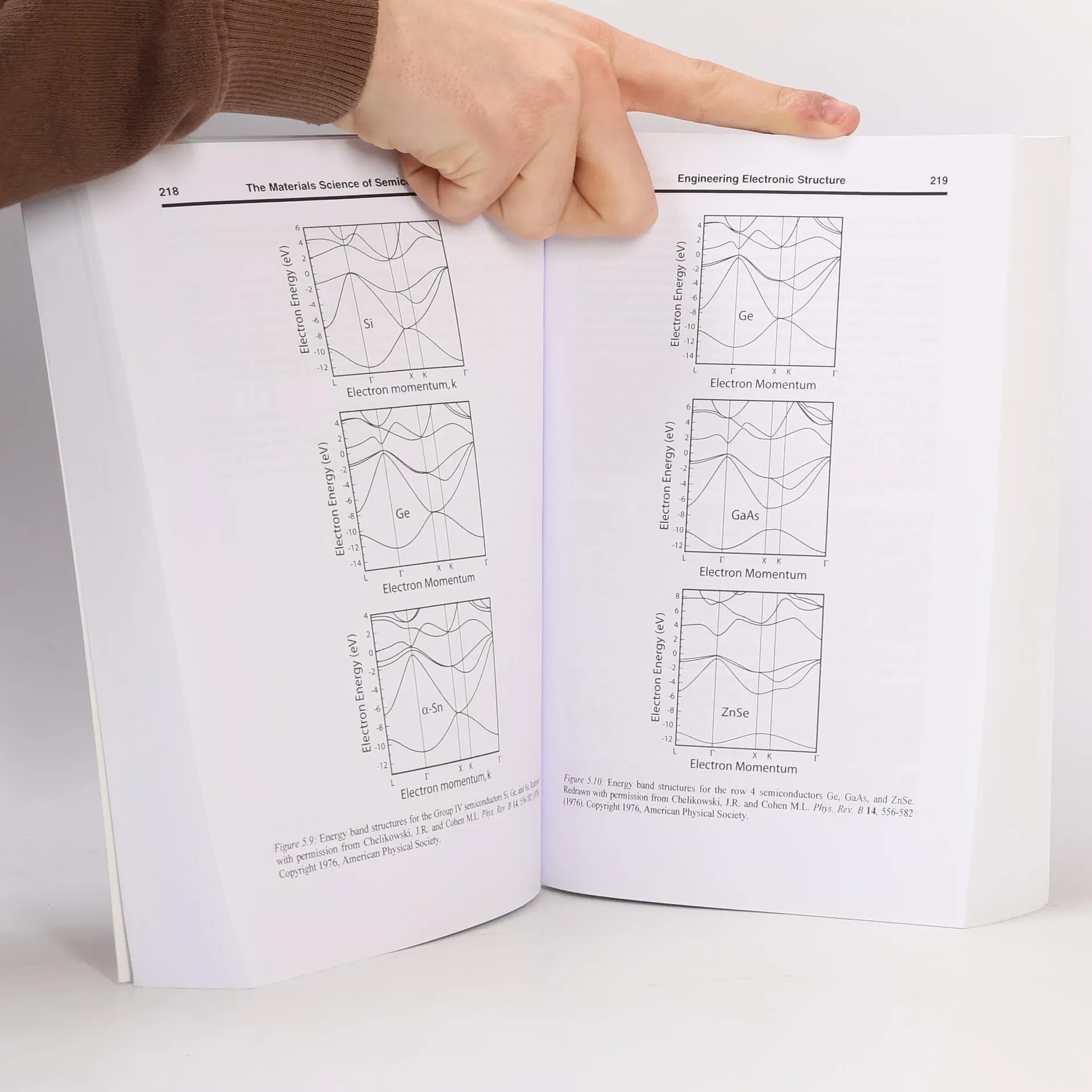
OBJECTIVES The primary purpose of this book is to convey insight into why semiconductors are the way they are, either because of how their atoms bond with one another, because of mistakes in their structure, or because of how they are produced or processed. The approach is to explore both the science of how atoms interact and to connect the results to real materials properties, and to show the engineering concepts that can be used to produce or improve a semiconductor by design. Along with this I hope to show some applications for the topics under discussion so that one may see how the concepts are applied in the laboratory. The intended audience of this book is senior undergraduate students and graduate students early in their careers or with limited background in the subject. I intend this book to be equally useful to those teaching in electrical engineering, materials science, or even chemical engineering or physics curricula, although the book is written for a materials science audience primarily. To try to maintain the focus on materials concepts the details of many of the derivations and equations are left out of the book. Likewise I have not delved into the details of electrical engineering topics in as much detail as an electrical engineer might wish. It is assumed that students are familiar with these topics from earlier courses.
Zakup książki
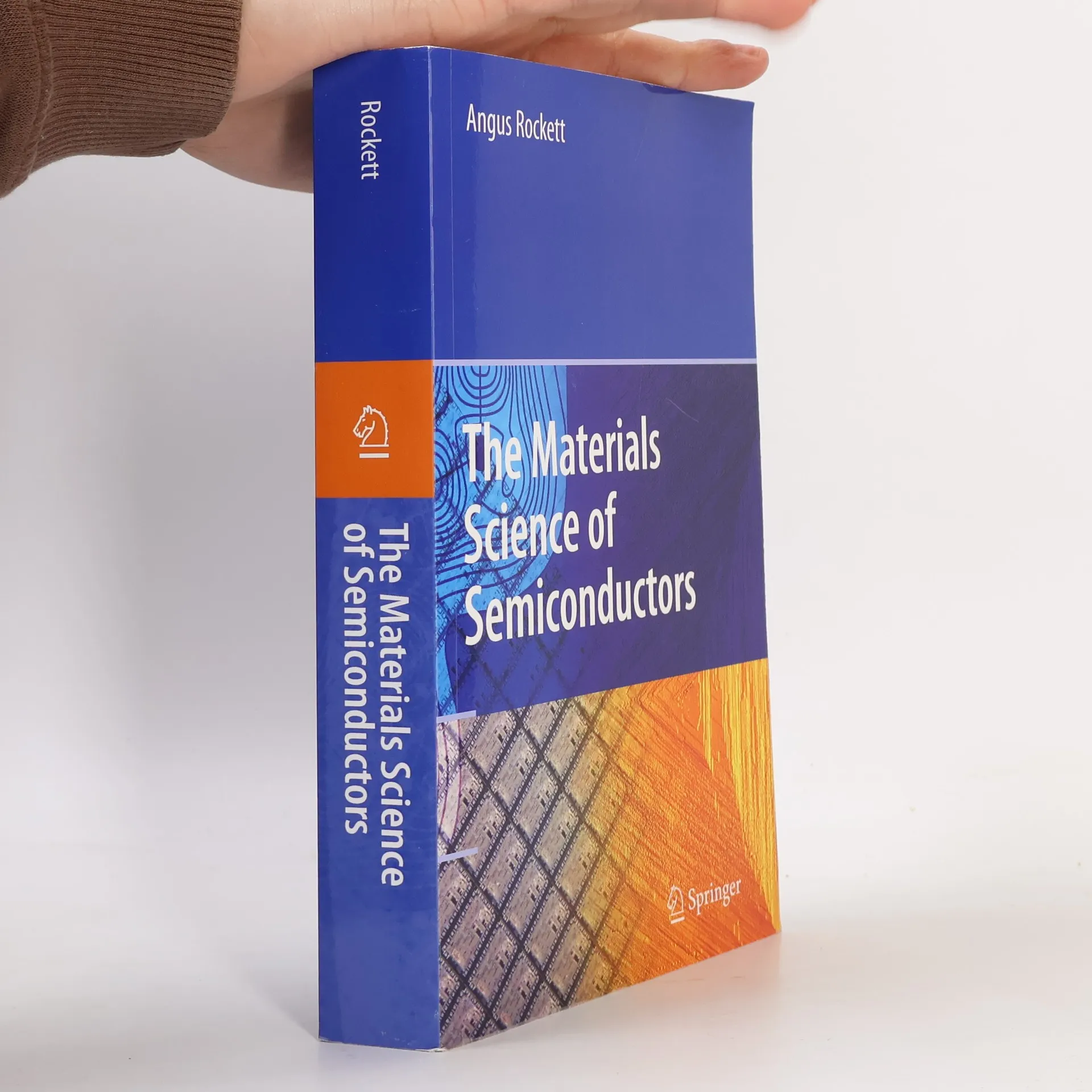
The Materials Science of Semiconductors, Angus Rockett
- Język

- Rok wydania
- 2010
- Oprawa
- (miękka)
Metody płatności
Nikt jeszcze nie ocenił.
- Tytuł
- The Materials Science of Semiconductors
- Język
- angielski
- Autorzy
- Angus Rockett
- Wydawca
- Springer New York
- Rok wydania
- 2010
- Oprawa
- miękka
- Liczba stron
- 640
- ISBN10
- 1441938184
- ISBN13
- 9781441938183
- Seria
- Kategorie
- Tagi
- Nauki przyrodnicze, Nauka, USA, Technologia, Literatura fachowa, Inżynieria, Rozwój, Elektronika, Tabele, Optyka, Chemia Fizyczna
- Opis
- OBJECTIVES The primary purpose of this book is to convey insight into why semiconductors are the way they are, either because of how their atoms bond with one another, because of mistakes in their structure, or because of how they are produced or processed. The approach is to explore both the science of how atoms interact and to connect the results to real materials properties, and to show the engineering concepts that can be used to produce or improve a semiconductor by design. Along with this I hope to show some applications for the topics under discussion so that one may see how the concepts are applied in the laboratory. The intended audience of this book is senior undergraduate students and graduate students early in their careers or with limited background in the subject. I intend this book to be equally useful to those teaching in electrical engineering, materials science, or even chemical engineering or physics curricula, although the book is written for a materials science audience primarily. To try to maintain the focus on materials concepts the details of many of the derivations and equations are left out of the book. Likewise I have not delved into the details of electrical engineering topics in as much detail as an electrical engineer might wish. It is assumed that students are familiar with these topics from earlier courses.