

Parametry
- 911 stron
- 32 godziny czytania
Więcej o książce
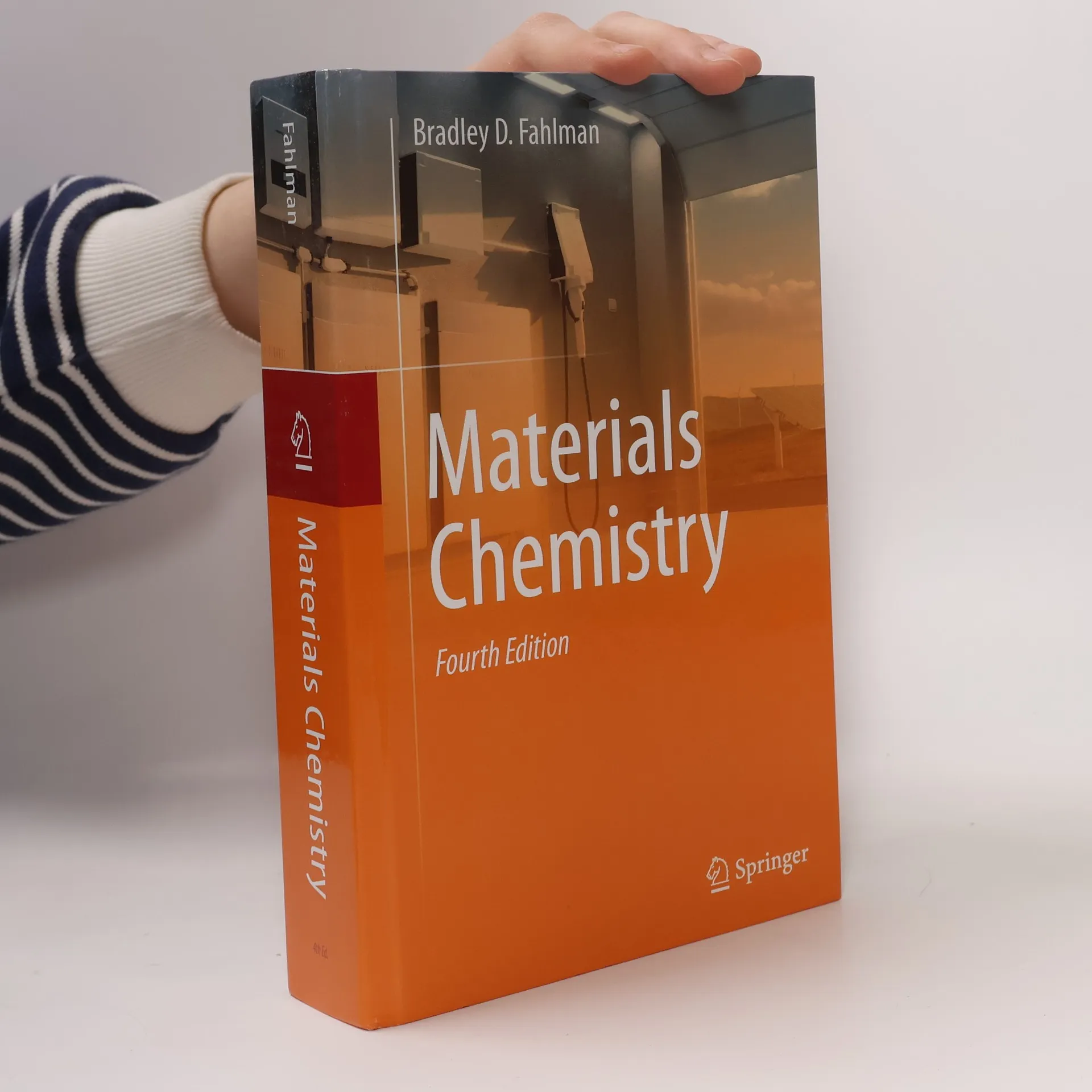
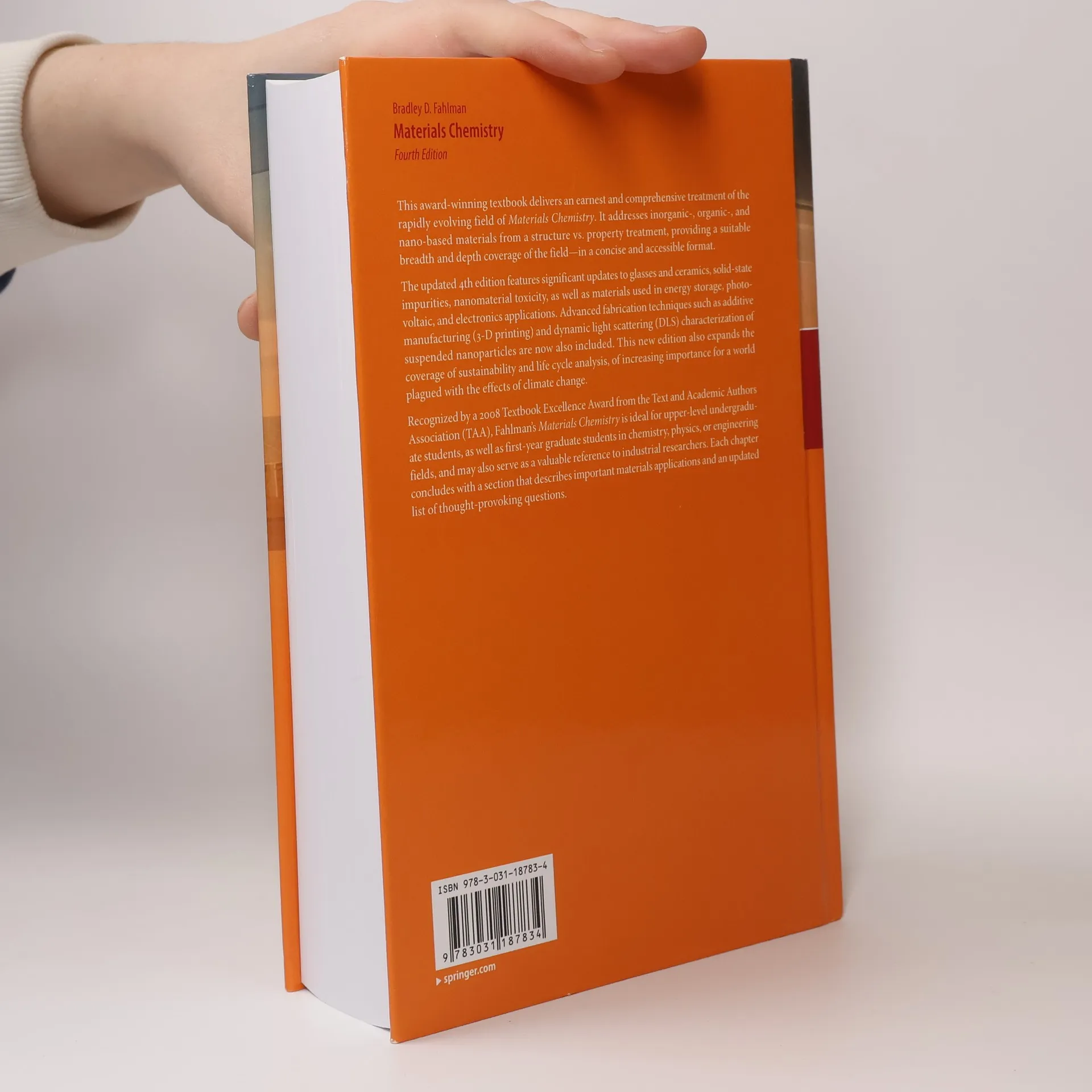
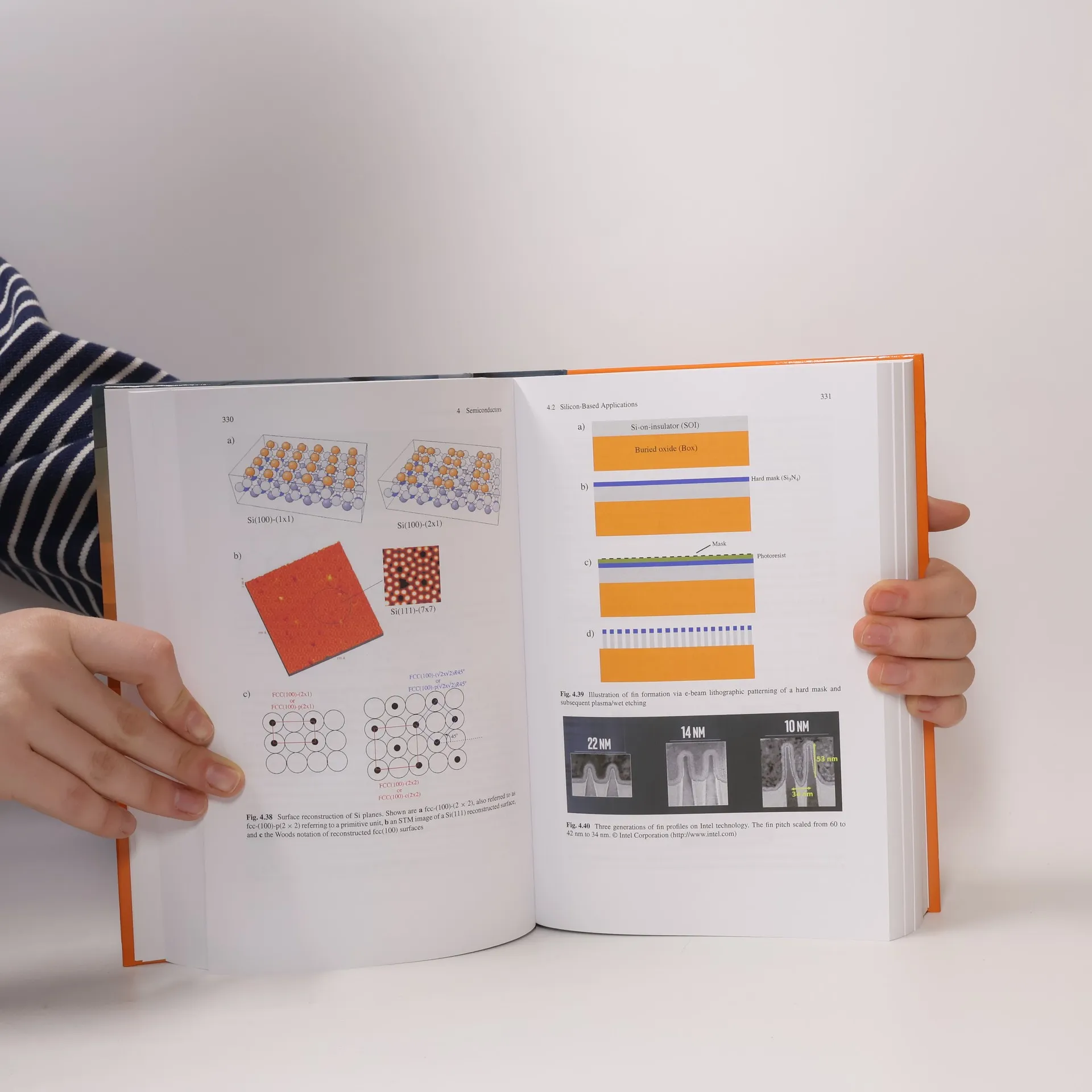
This award-winning textbook delivers an earnest and comprehensive treatment of the rapidly evolving field of Materials Chemistry. It addresses inorganic-, organic-, and nano-based materials from a structure vs. property treatment, providing a suitable breadth and depth coverage of the field—in a concise and accessible format. The updated 4th edition features significant updates to glasses and ceramics, solid-state impurities, nanomaterial toxicity, as well as materials used in energy storage, photovoltaic, and electronics applications. Advanced fabrication techniques such as additive manufacturing (3-D printing) and dynamic light scattering (DLS) characterization of suspended nanoparticles are now also included. This new edition also expands the coverage of sustainability and life cycle analysis, of increasing importance for a world plagued with the effects of climate change. Recognized by a 2008 Textbook Excellence Award from the Text and Academic Authors Association (TAA), Fahlman’s Materials Chemistry is ideal for upper-level undergraduate students, as well as first-year graduate students in chemistry, physics, or engineering fields, and may also serve as a valuable reference to industrial researchers. Each chapter concludes with a section that describes important materials applications and an updated list of thought-provoking questions.
Zakup książki
Materials Chemistry, Bradley D. Fahlman
- Język

- Rok wydania
- 2022
- Oprawa
- (twarda)
Metody płatności
Nikt jeszcze nie ocenił.
- Tytuł
- Materials Chemistry
- Podtytuł
- Fourth Edition
- Język
- angielski
- Autorzy
- Bradley D. Fahlman
- Wydawca
- Springer
- Rok wydania
- 2022
- Oprawa
- twarda
- Liczba stron
- 911
- ISBN10
- 3031187830
- ISBN13
- 9783031187834
- Seria
- Kategorie
- Tagi
- Podręczniki, Nauki przyrodnicze, Nauka, Technologia, Podręczniki chemii, Ceramika, Chemia nieorganiczna, Chemia Fizyczna, Nanotechnologia
- Opis
- This award-winning textbook delivers an earnest and comprehensive treatment of the rapidly evolving field of Materials Chemistry. It addresses inorganic-, organic-, and nano-based materials from a structure vs. property treatment, providing a suitable breadth and depth coverage of the field—in a concise and accessible format. The updated 4th edition features significant updates to glasses and ceramics, solid-state impurities, nanomaterial toxicity, as well as materials used in energy storage, photovoltaic, and electronics applications. Advanced fabrication techniques such as additive manufacturing (3-D printing) and dynamic light scattering (DLS) characterization of suspended nanoparticles are now also included. This new edition also expands the coverage of sustainability and life cycle analysis, of increasing importance for a world plagued with the effects of climate change. Recognized by a 2008 Textbook Excellence Award from the Text and Academic Authors Association (TAA), Fahlman’s Materials Chemistry is ideal for upper-level undergraduate students, as well as first-year graduate students in chemistry, physics, or engineering fields, and may also serve as a valuable reference to industrial researchers. Each chapter concludes with a section that describes important materials applications and an updated list of thought-provoking questions.