

Więcej o książce
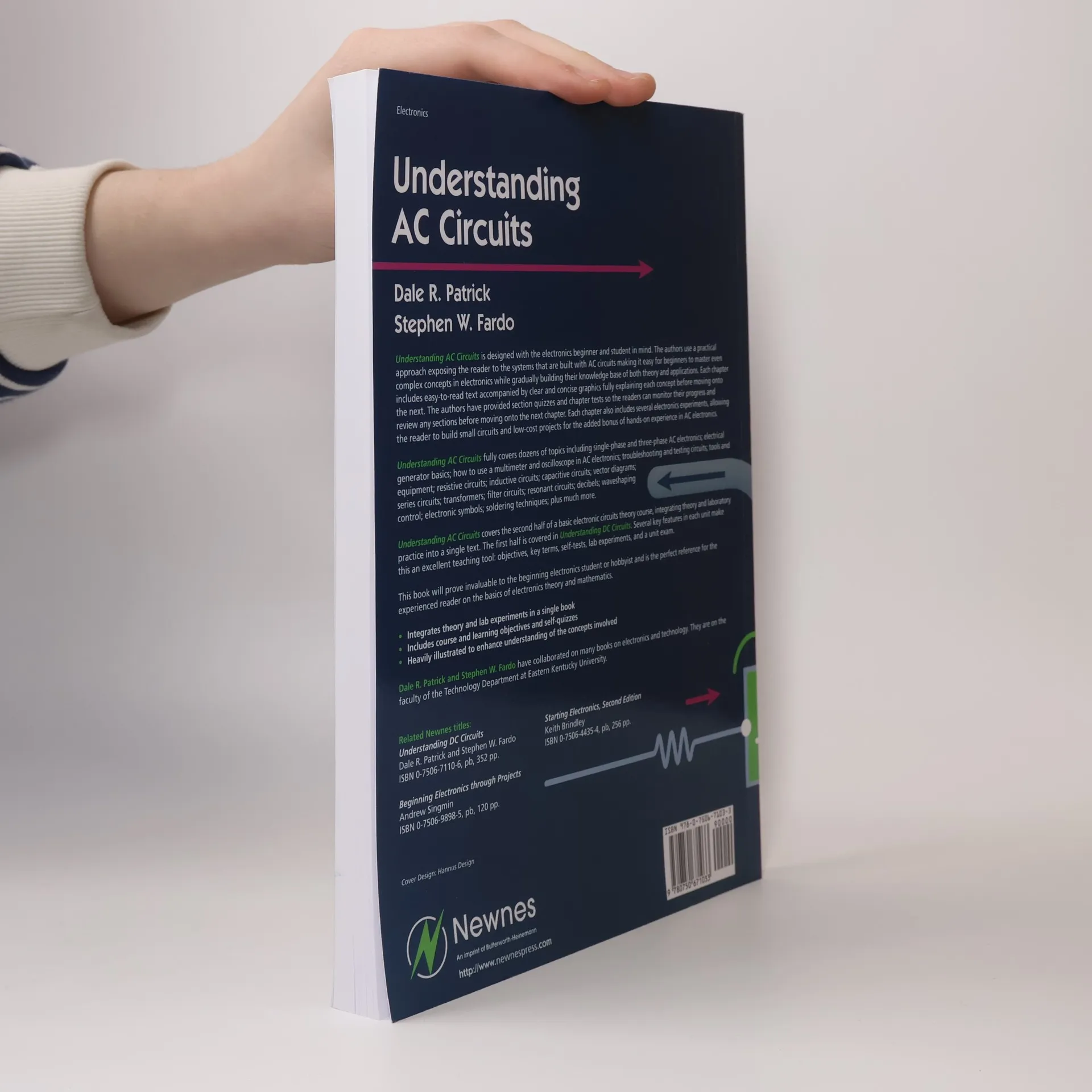
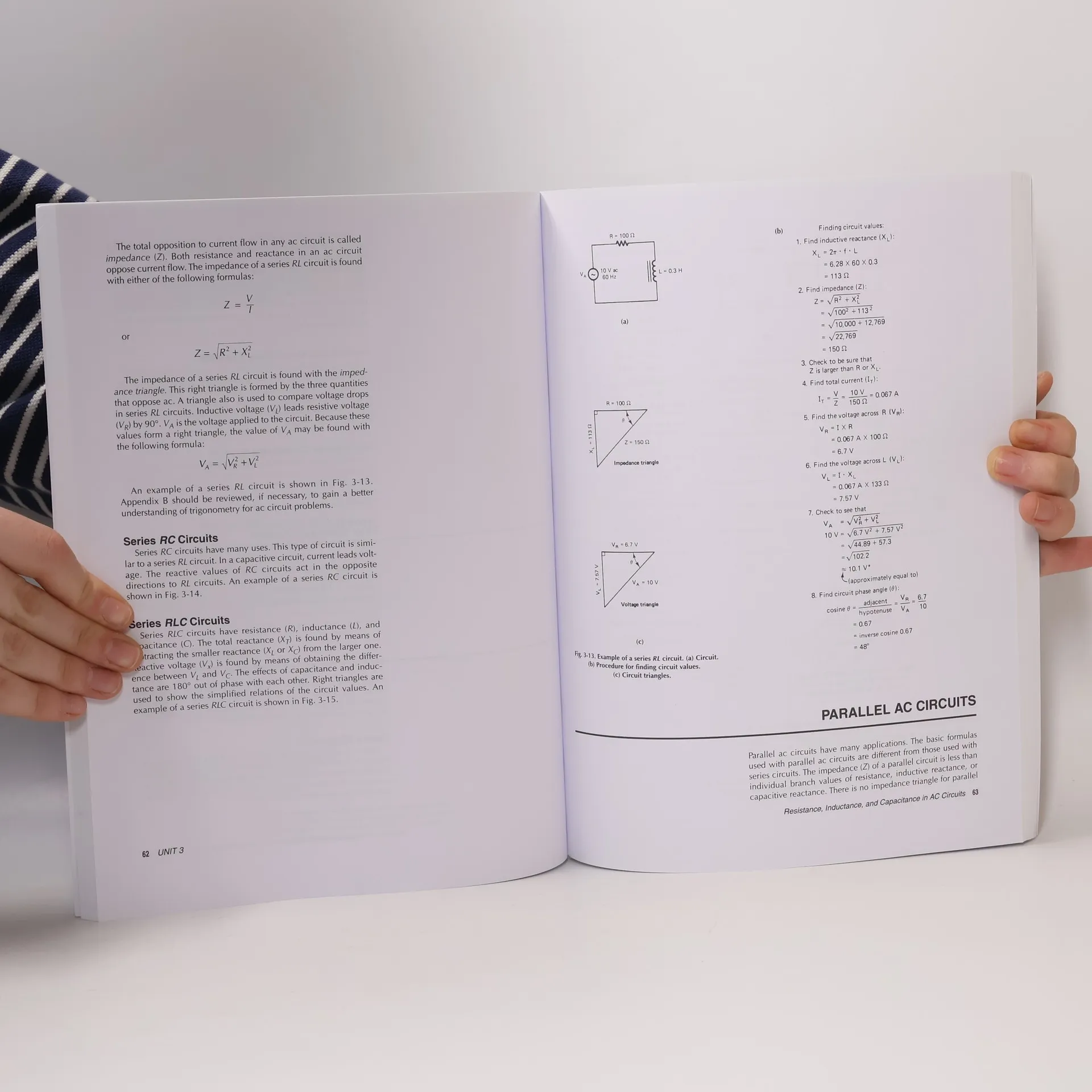
This text covers the latter half of a basic electronic circuits theory course, seamlessly integrating theory with laboratory practice. Each unit features objectives, key terms, self-tests, lab experiments, and a unit exam, making it an effective teaching resource. The revised edition reflects the latest advancements in electronics and is tailored for beginners and students. The authors adopt a practical approach, introducing readers to systems built with AC circuits, facilitating the mastery of complex concepts while gradually expanding their theoretical and practical knowledge. Each chapter presents clear, easy-to-read text alongside concise graphics that thoroughly explain concepts before progressing. Section quizzes and chapter tests enable readers to track their understanding and review material as needed. Additionally, chapters include various electronics experiments, allowing readers to construct small circuits and engage in low-cost projects, providing valuable hands-on experience. The content encompasses a wide range of topics, including single-phase and three-phase AC electronics, electrical generator fundamentals, multimeter and oscilloscope usage, circuit troubleshooting, tools and equipment, resistive, inductive, and capacitive circuits, vector diagrams, series circuits, transformers, filter circuits, resonant circuits, decibels, waveshaping control, electronic symbols, and soldering techniques, among others.
Zakup książki
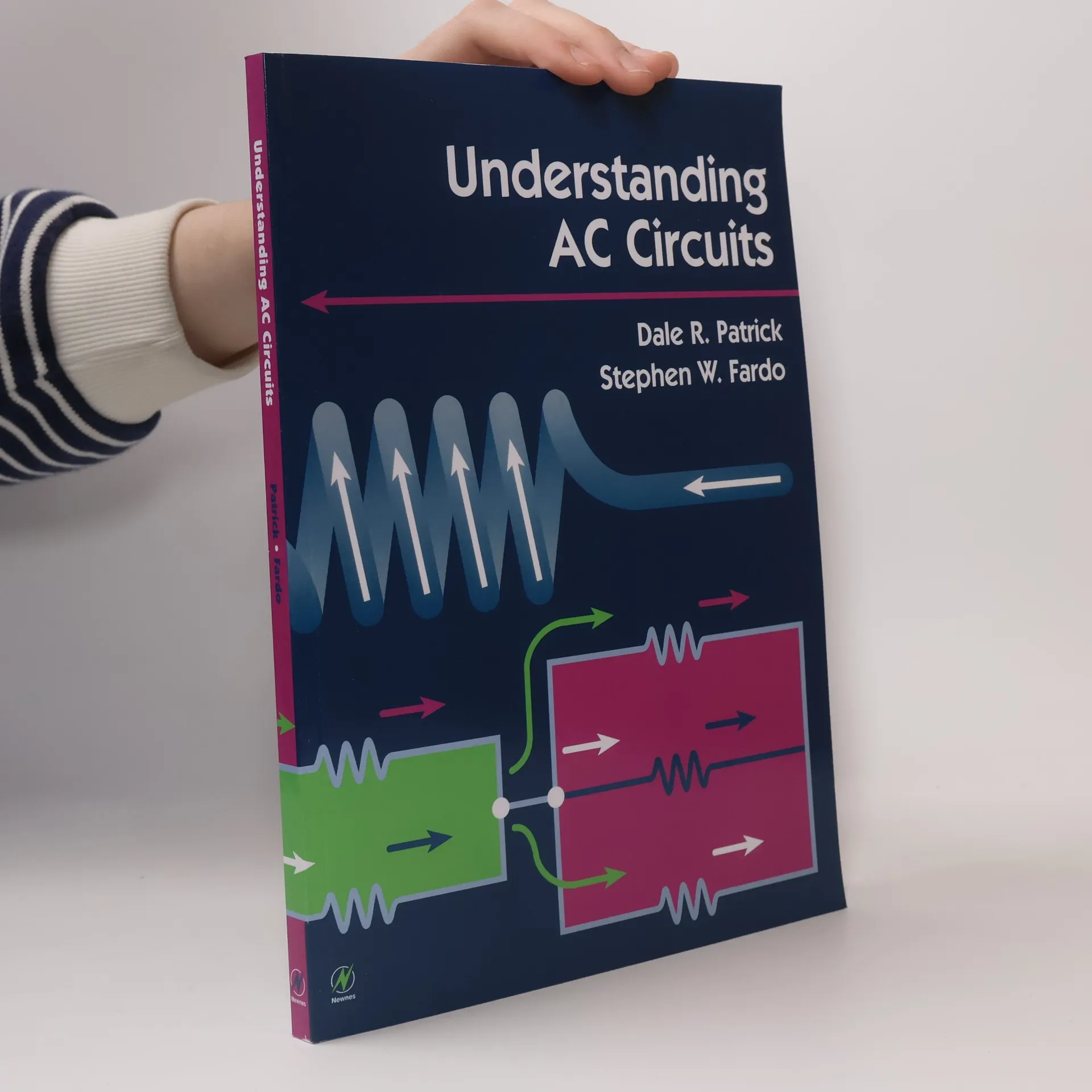
Understanding AC Circuits, Dale R. Patrick, Stephen W. Fardo
- Język

- Rok wydania
- 1999
- Oprawa
- (miękka)
Metody płatności
Nikt jeszcze nie ocenił.
- Tytuł
- Understanding AC Circuits
- Język
- angielski
- Autorzy
- Dale R. Patrick, Stephen W. Fardo
- Wydawca
- Newnes
- Rok wydania
- 1999
- Oprawa
- miękka
- Liczba stron
- 172
- ISBN10
- 0750671033
- ISBN13
- 9780750671033
- Seria
- Opis
- This text covers the latter half of a basic electronic circuits theory course, seamlessly integrating theory with laboratory practice. Each unit features objectives, key terms, self-tests, lab experiments, and a unit exam, making it an effective teaching resource. The revised edition reflects the latest advancements in electronics and is tailored for beginners and students. The authors adopt a practical approach, introducing readers to systems built with AC circuits, facilitating the mastery of complex concepts while gradually expanding their theoretical and practical knowledge. Each chapter presents clear, easy-to-read text alongside concise graphics that thoroughly explain concepts before progressing. Section quizzes and chapter tests enable readers to track their understanding and review material as needed. Additionally, chapters include various electronics experiments, allowing readers to construct small circuits and engage in low-cost projects, providing valuable hands-on experience. The content encompasses a wide range of topics, including single-phase and three-phase AC electronics, electrical generator fundamentals, multimeter and oscilloscope usage, circuit troubleshooting, tools and equipment, resistive, inductive, and capacitive circuits, vector diagrams, series circuits, transformers, filter circuits, resonant circuits, decibels, waveshaping control, electronic symbols, and soldering techniques, among others.