

Parametry
- 199 stron
- 7 godzin czytania
Więcej o książce
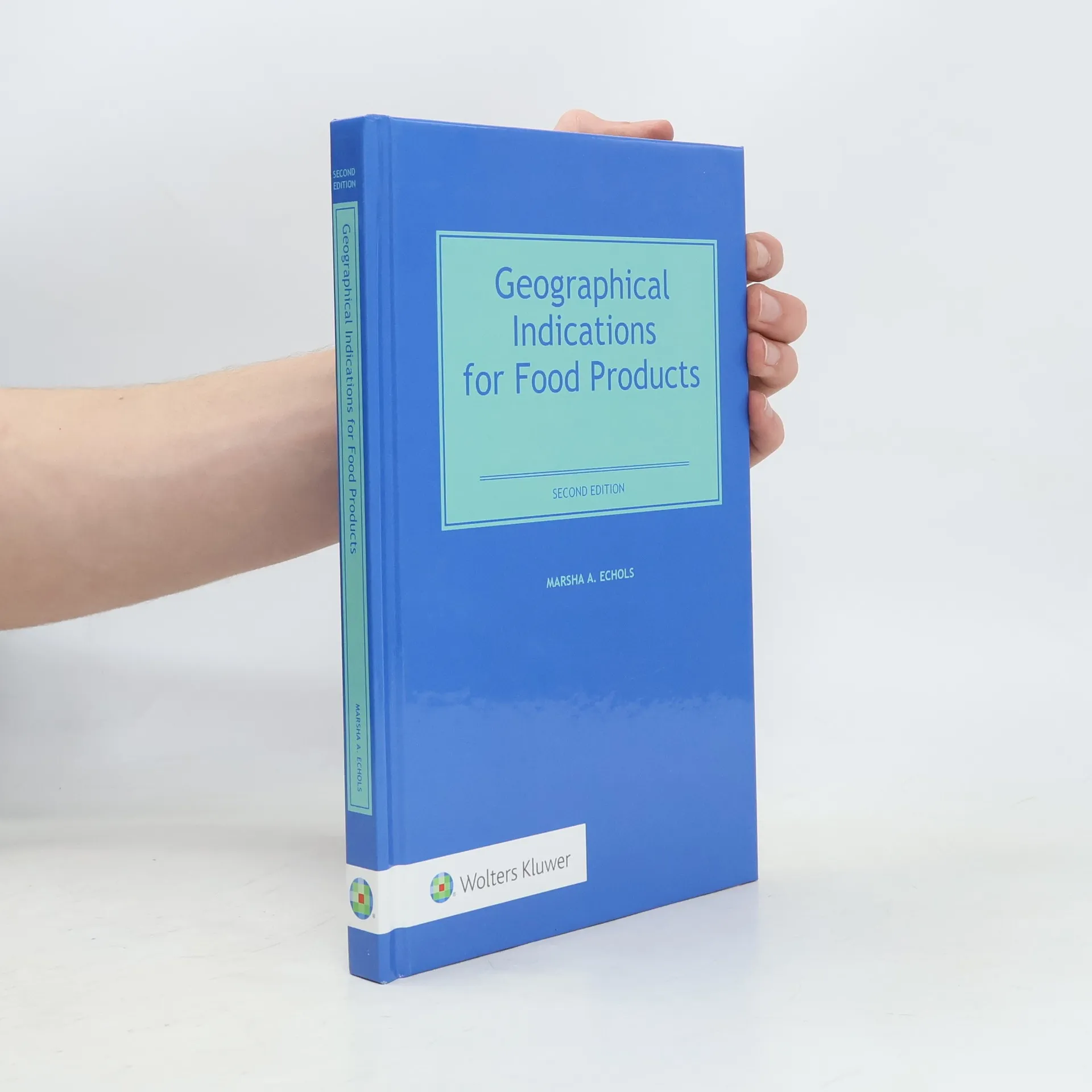
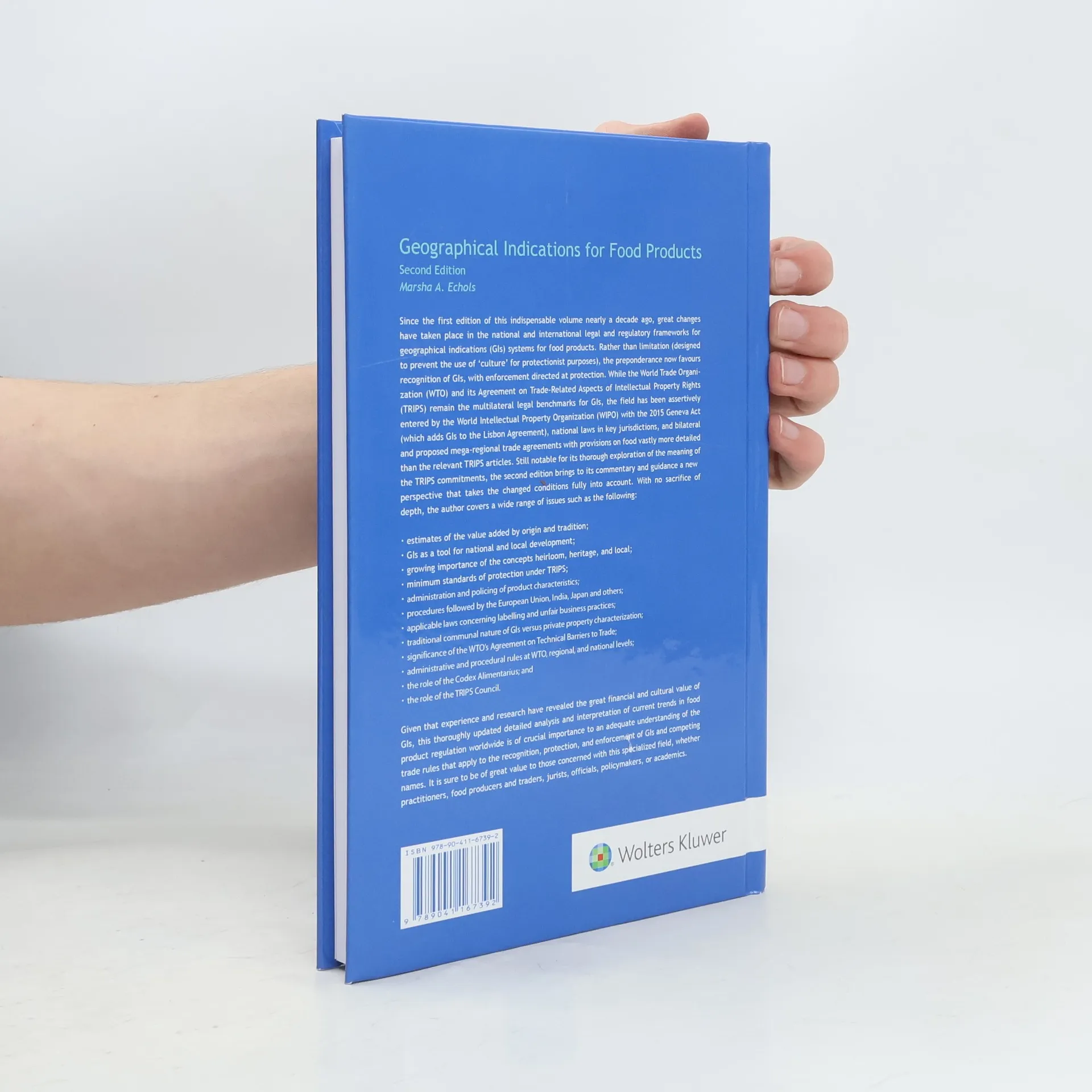
This volume offers a comprehensive update on the international, regional, and national laws governing geographical indications (GIs) for food products. Since the first edition nearly a decade ago, significant changes have occurred in legal and regulatory frameworks. The current trend favors the recognition of GIs, with a focus on protection rather than limitation, which was previously aimed at preventing protectionist misuse. While the World Trade Organization (WTO) and its TRIPS Agreement continue to serve as key legal benchmarks, the World Intellectual Property Organization (WIPO) has also made strides, notably with the 2015 Geneva Act, which incorporates GIs into the EU Lisbon Agreement. The second edition maintains its thorough exploration of TRIPS commitments while incorporating new perspectives reflecting recent developments. It examines recent GI laws in countries like Japan, illustrating how governments are establishing diverse sui generis systems. Additionally, it reviews GI provisions in significant agreements such as the Canada-EU CETA and the proposed EU-US TTIP and Trans-Pacific Partnership (TPP). This detailed analysis is essential for understanding the trade rules surrounding the recognition, protection, and enforcement of GIs, making it invaluable for practitioners, food producers, jurists, policymakers, and academics in this specialized field.
Zakup książki
Geographical Indications for Food Products - Second Edition, Marsha A. Echols
- Język

- Rok wydania
- 2016
- Oprawa
- (twarda)
Metody płatności
Nikt jeszcze nie ocenił.
- Tytuł
- Geographical Indications for Food Products - Second Edition
- Język
- angielski
- Autorzy
- Marsha A. Echols
- Wydawca
- Kluwer Law Intl
- Rok wydania
- 2016
- Oprawa
- twarda
- Liczba stron
- 199
- ISBN10
- 9041167390
- ISBN13
- 9789041167392
- Seria
- Opis
- This volume offers a comprehensive update on the international, regional, and national laws governing geographical indications (GIs) for food products. Since the first edition nearly a decade ago, significant changes have occurred in legal and regulatory frameworks. The current trend favors the recognition of GIs, with a focus on protection rather than limitation, which was previously aimed at preventing protectionist misuse. While the World Trade Organization (WTO) and its TRIPS Agreement continue to serve as key legal benchmarks, the World Intellectual Property Organization (WIPO) has also made strides, notably with the 2015 Geneva Act, which incorporates GIs into the EU Lisbon Agreement. The second edition maintains its thorough exploration of TRIPS commitments while incorporating new perspectives reflecting recent developments. It examines recent GI laws in countries like Japan, illustrating how governments are establishing diverse sui generis systems. Additionally, it reviews GI provisions in significant agreements such as the Canada-EU CETA and the proposed EU-US TTIP and Trans-Pacific Partnership (TPP). This detailed analysis is essential for understanding the trade rules surrounding the recognition, protection, and enforcement of GIs, making it invaluable for practitioners, food producers, jurists, policymakers, and academics in this specialized field.