


Więcej o książce
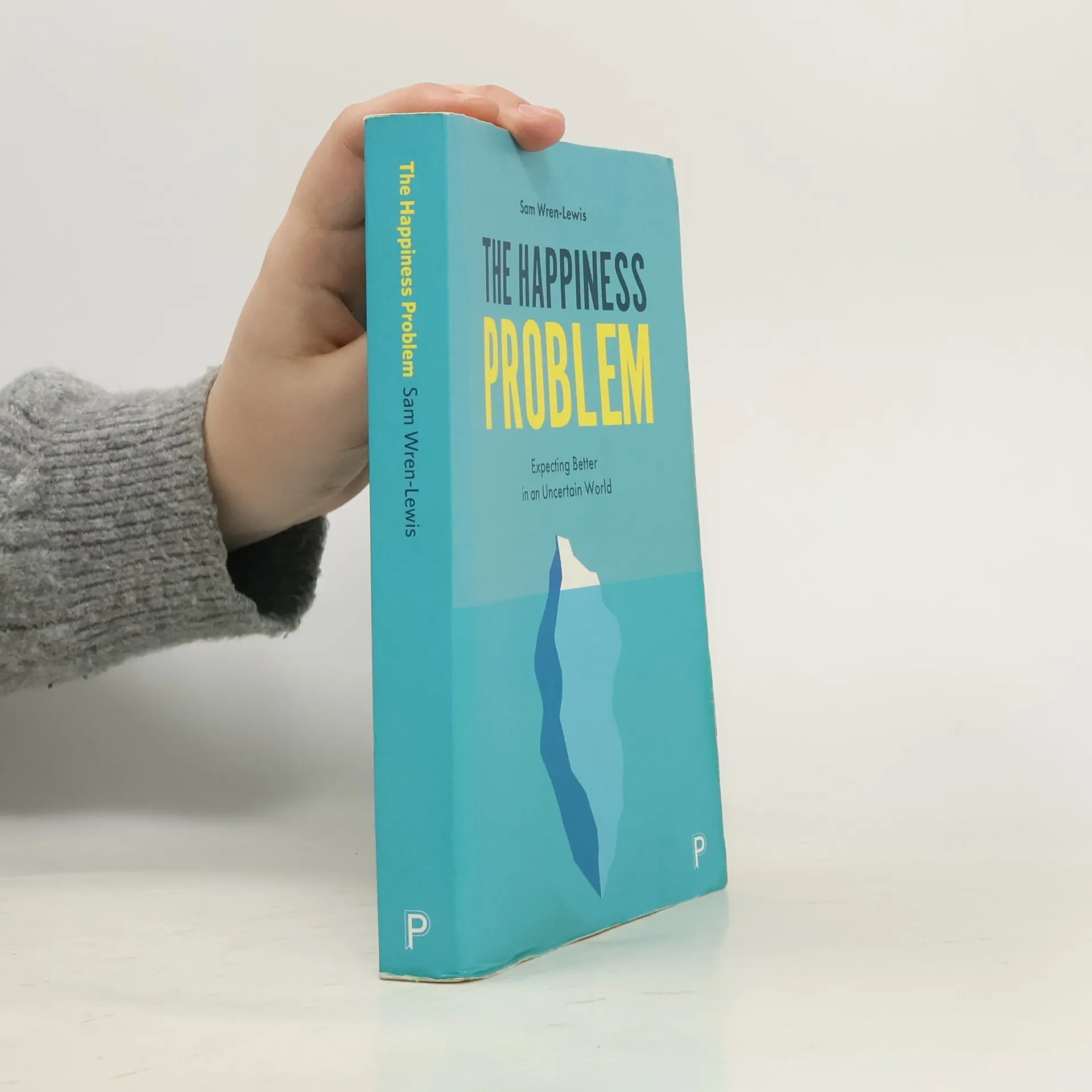
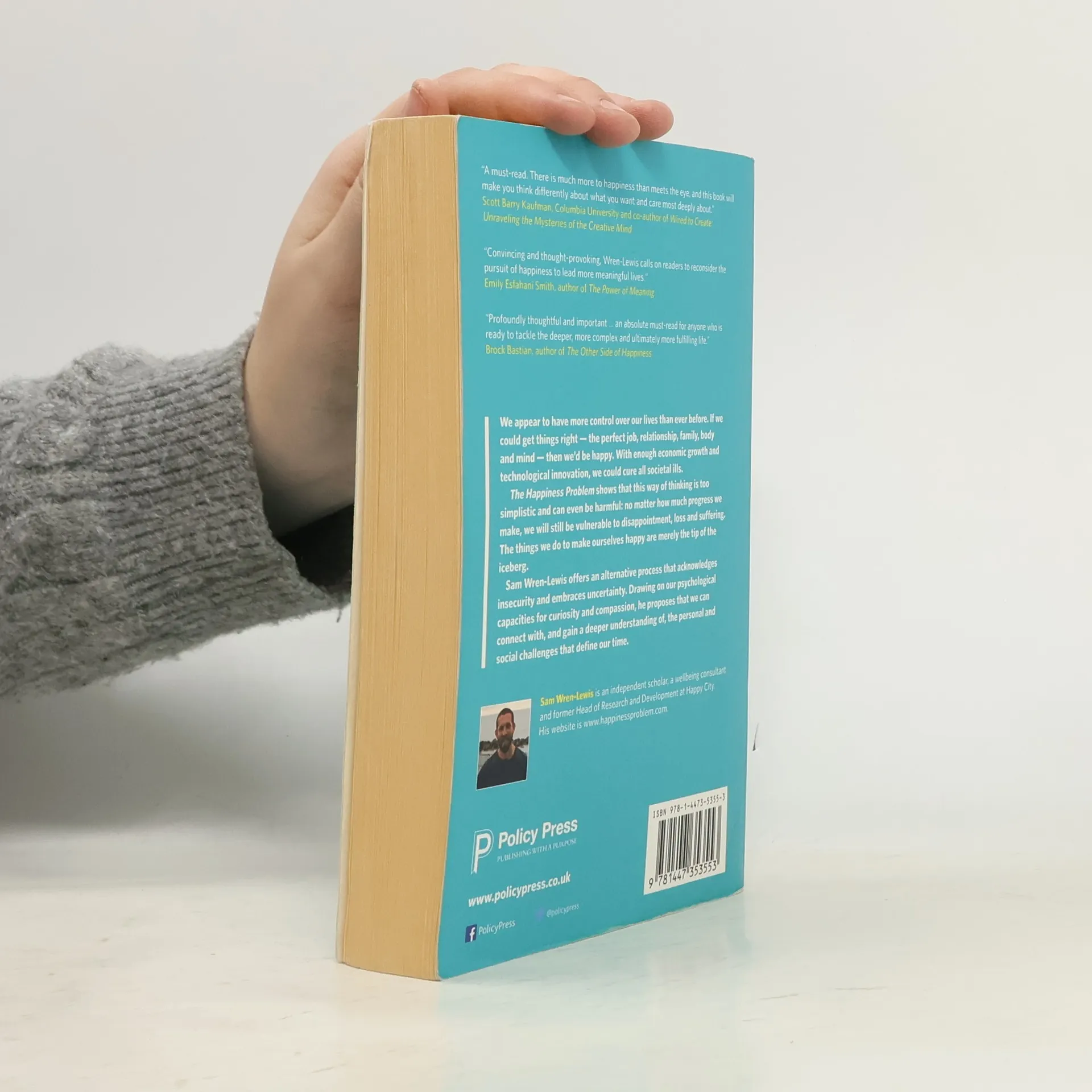
We appear to have more control over our lives than ever before. If we could get things right – the perfect job, relationship, family, body and mind – then we’d be happy. With enough economic growth and technological innovation, we could cure all societal ills. The Happiness Problem shows that this way of thinking is too simplistic and can even be harmful: no matter how much progress we make, we will still be vulnerable to disappointment, loss and suffering. The things we do to make ourselves happy are merely the tip of the iceberg. Sam Wren-Lewis offers an alternative process that acknowledges insecurity and embraces uncertainty. Drawing on our psychological capacities for curiosity and compassion, he proposes that we can connect with, and gain a deeper understanding of, the personal and social challenges that define our time
Zakup książki
The Happiness Problem, Sam Wren-Lewis
- Język

- Rok wydania
- 2019
- Oprawa
- (miękka)
Metody płatności
Brakuje nam tutaj Twojej recenzji.
- Tytuł
- The Happiness Problem
- Podtytuł
- Expecting Better in an Uncertain World
- Język
- angielski
- Autorzy
- Sam Wren-Lewis
- Wydawca
- Policy Press
- Rok wydania
- 2019
- Oprawa
- miękka
- Liczba stron
- 304
- ISBN10
- 1447353552
- ISBN13
- 9781447353553
- Seria
- Kategorie
- Ocena
- 3,5 z 5
- Opis
- We appear to have more control over our lives than ever before. If we could get things right – the perfect job, relationship, family, body and mind – then we’d be happy. With enough economic growth and technological innovation, we could cure all societal ills. The Happiness Problem shows that this way of thinking is too simplistic and can even be harmful: no matter how much progress we make, we will still be vulnerable to disappointment, loss and suffering. The things we do to make ourselves happy are merely the tip of the iceberg. Sam Wren-Lewis offers an alternative process that acknowledges insecurity and embraces uncertainty. Drawing on our psychological capacities for curiosity and compassion, he proposes that we can connect with, and gain a deeper understanding of, the personal and social challenges that define our time