


Więcej o książce
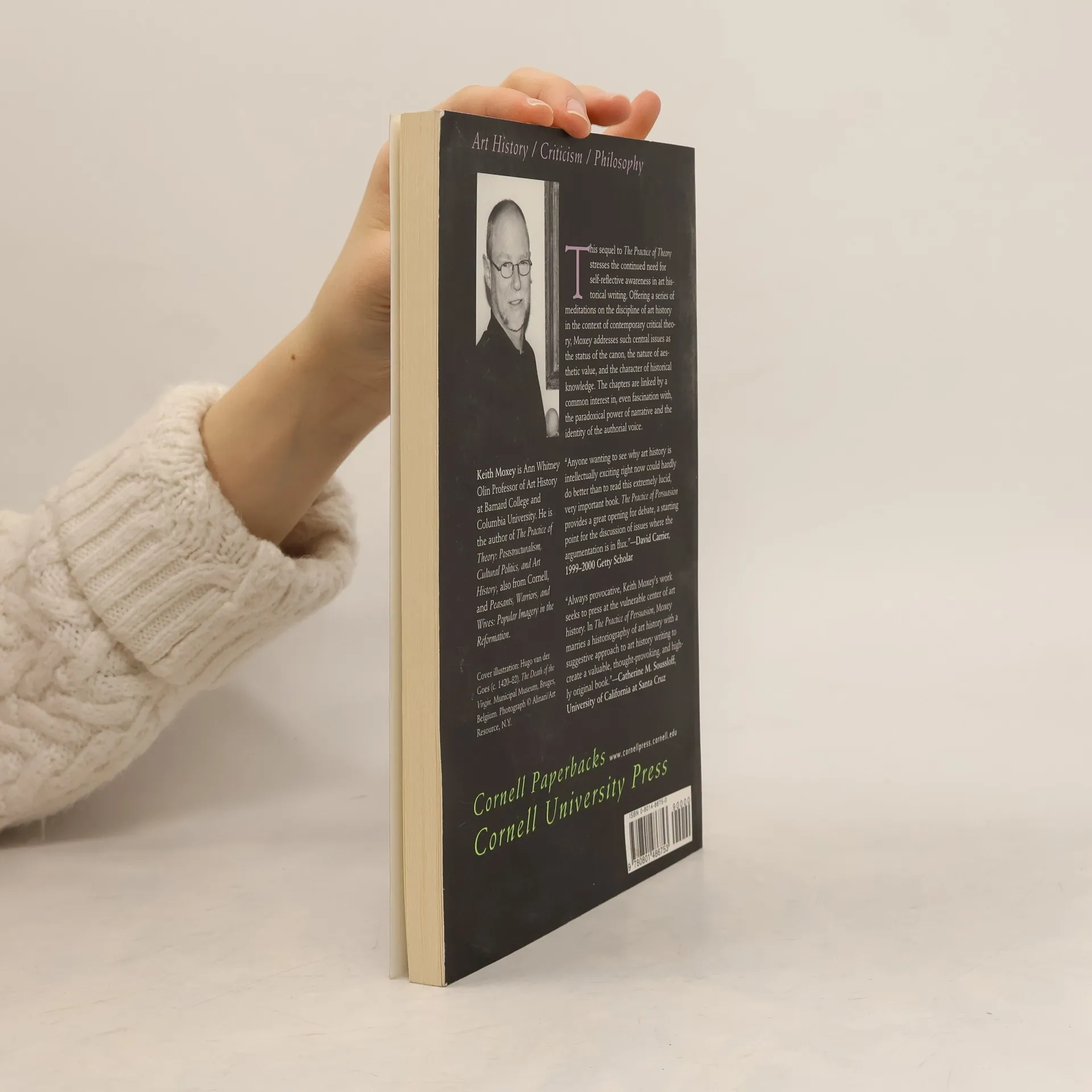
This sequel to The Practice of Theory stresses the continued need for self-reflective awareness in art historical writing. Offering a series of meditations on the discipline of art history in the context of contemporary critical theory, Moxey addresses such central issues as the status of the canon, the nature of aesthetic value, and the character of historical knowledge. The chapters are linked by a common interest in, even fascination with, the paradoxical power of narrative and the identity of the authorial voice. Moxey maintains that art history is a rhetoric of persuasion rather than a discourse of truth. Each chapter in The Practice of Persuasion attempts to demonstrate the paradoxes inherent in a genre that―while committed to representing the past―must inevitably bear the imprint of the present. In Moxey's view, art history as a discipline is often unable to recognize its status as a regime of truth that produces historically determined meanings and so continues to act as if based on a universal aesthetic foundation. His new book should enable art historians to engage with the past in a manner less determined by tradition and more responsive to contemporary values and aspirations.
Zakup książki
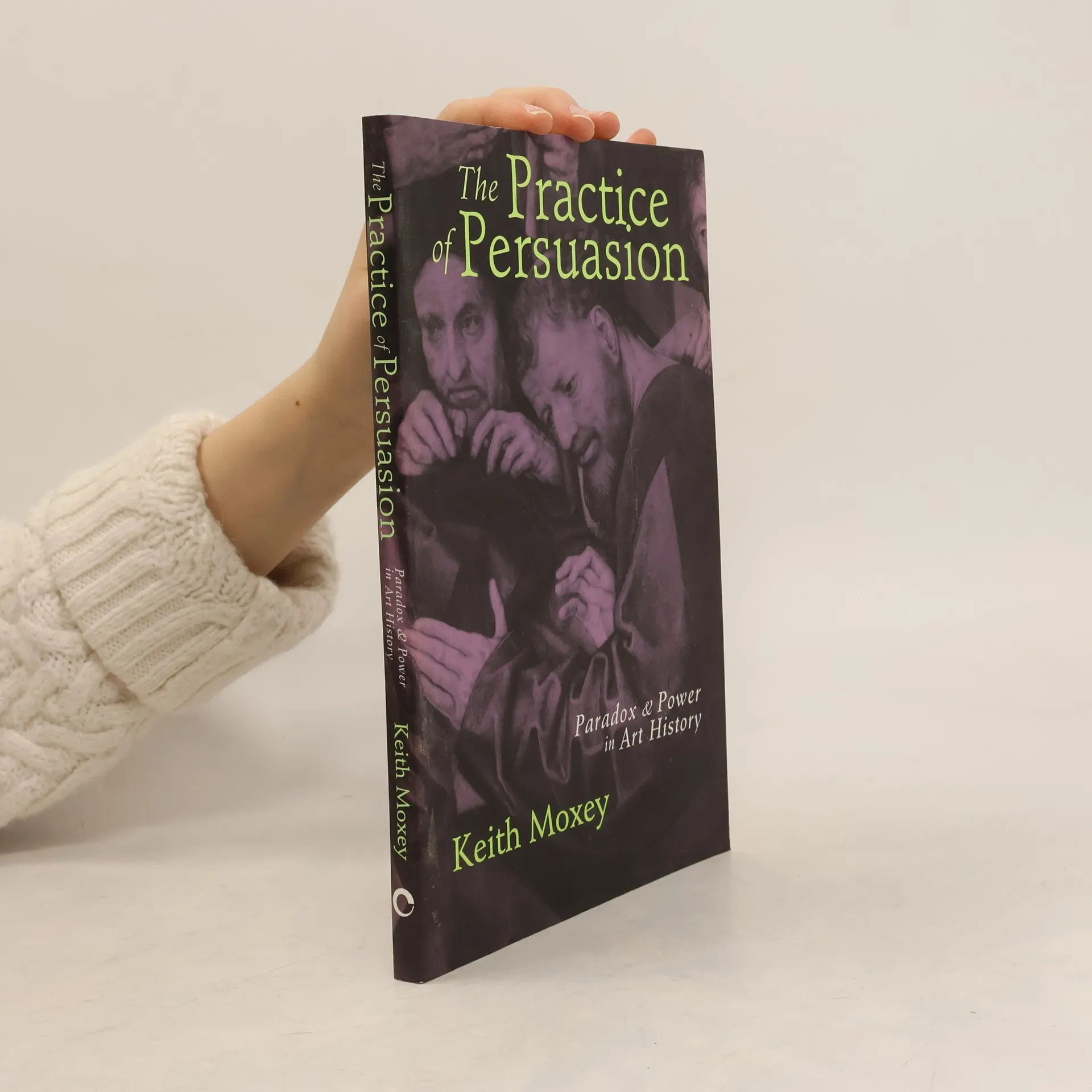
The Practice of Persuasion, Keith P. F. Moxey
- Język

- Rok wydania
- 2000
- Oprawa
- (miękka)
Metody płatności
Brakuje nam tutaj Twojej recenzji.
- Tytuł
- The Practice of Persuasion
- Podtytuł
- Paradox and Power in Art History
- Język
- angielski
- Autorzy
- Keith P. F. Moxey
- Wydawca
- Cornell University Press
- Rok wydania
- 2000
- Oprawa
- miękka
- Liczba stron
- 160
- ISBN10
- 0801486750
- ISBN13
- 9780801486753
- Seria
- Tagi
- Tematy historyczne, Tematyka filozoficzna, Sztuka, USA, Historia sztuki, Prace zebrane, Krytyka, Projektowanie graficzne, Estetyka, Historiografia, Metodologia
- Ocena
- 3,75 z 5
- Opis
- This sequel to The Practice of Theory stresses the continued need for self-reflective awareness in art historical writing. Offering a series of meditations on the discipline of art history in the context of contemporary critical theory, Moxey addresses such central issues as the status of the canon, the nature of aesthetic value, and the character of historical knowledge. The chapters are linked by a common interest in, even fascination with, the paradoxical power of narrative and the identity of the authorial voice. Moxey maintains that art history is a rhetoric of persuasion rather than a discourse of truth. Each chapter in The Practice of Persuasion attempts to demonstrate the paradoxes inherent in a genre that―while committed to representing the past―must inevitably bear the imprint of the present. In Moxey's view, art history as a discipline is often unable to recognize its status as a regime of truth that produces historically determined meanings and so continues to act as if based on a universal aesthetic foundation. His new book should enable art historians to engage with the past in a manner less determined by tradition and more responsive to contemporary values and aspirations.