


Więcej o książce
The latter half of the nineteenth century in industrialized England saw the emergence of a "domestic ideology" that sharply divided the roles of women and men, influencing societal values and justifying the existing social order. This context gave rise to a women's movement that embraced female identity, focusing on promoting a positive self-image alongside advocating for equality with men. In this U.S. edition, Levine explores the evolution of England's feminist movement over fifty years, highlighting key figures, significant issues, and the strategies employed in their struggle. Common political themes included women's moral superiority, a strong sense of female community, and a focus on woman-centered interests. Levine addresses many misconceptions about pre-suffragette feminism, challenging the notion that it solely benefited bourgeois women and cautioning against evaluating feminism through a male-centric lens. Her study encompasses the wide-ranging concerns of women in nineteenth-century England, including access to education and professions, trade unionism, working conditions, equal pay, suffrage, and various issues surrounding marriage, morality, and women's rights, such as prostitution, incest, venereal disease, wife abuse, pornography, and divorce.
Zakup książki
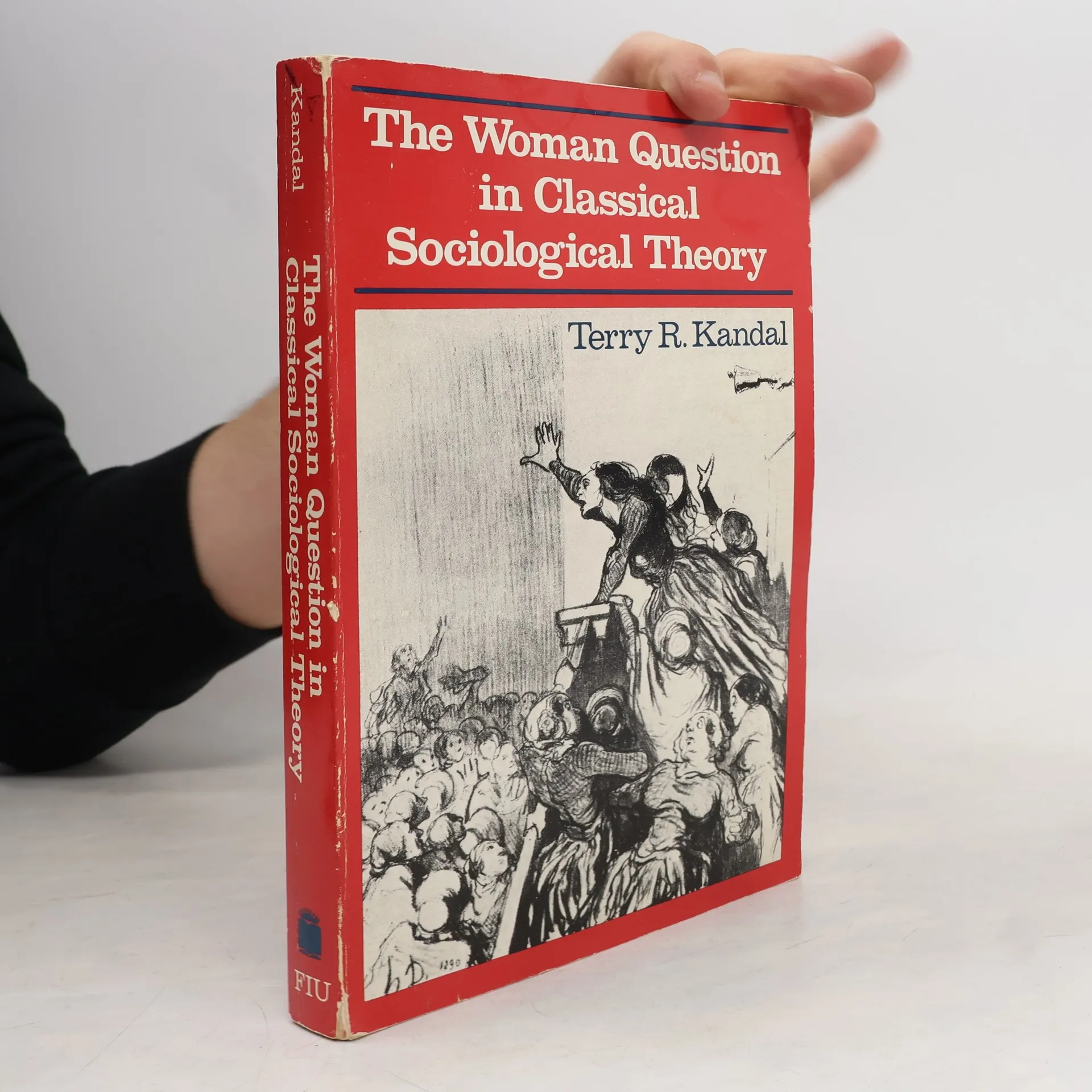
The Woman Question in Classical Sociological Theory, Terry R. Kandal
- Język

- Rok wydania
- 1988
- Oprawa
- (miękka)
Metody płatności
Brakuje nam tutaj Twojej recenzji.
- Tytuł
- The Woman Question in Classical Sociological Theory
- Język
- angielski
- Autorzy
- Terry R. Kandal
- Wydawca
- University Press of Florida
- Rok wydania
- 1988
- Oprawa
- miękka
- Liczba stron
- 341
- ISBN10
- 0813007968
- ISBN13
- 9780813007960
- Seria
- Ocena
- 3,75 z 5
- Opis
- The latter half of the nineteenth century in industrialized England saw the emergence of a "domestic ideology" that sharply divided the roles of women and men, influencing societal values and justifying the existing social order. This context gave rise to a women's movement that embraced female identity, focusing on promoting a positive self-image alongside advocating for equality with men. In this U.S. edition, Levine explores the evolution of England's feminist movement over fifty years, highlighting key figures, significant issues, and the strategies employed in their struggle. Common political themes included women's moral superiority, a strong sense of female community, and a focus on woman-centered interests. Levine addresses many misconceptions about pre-suffragette feminism, challenging the notion that it solely benefited bourgeois women and cautioning against evaluating feminism through a male-centric lens. Her study encompasses the wide-ranging concerns of women in nineteenth-century England, including access to education and professions, trade unionism, working conditions, equal pay, suffrage, and various issues surrounding marriage, morality, and women's rights, such as prostitution, incest, venereal disease, wife abuse, pornography, and divorce.