

Więcej o książce
In addition to updating each chapter and including a new discussion of the gaseous neuromodulators nitric oxide and carbon monoxide, the authors have dropped a formerly featured chapter on metabolism in the CNS and incorporated most of this material into a new chapter on the genetic basis ofneurological and psychiatric diseases. With the almost bi-weekly discovery of genes that appear to be involved in diseases of the nervous system, this area has the potential for providing a revolutionary kind of therapy, and it has been accorded greater attention. This versatile text continues to bethe first choice for basic neuropharmacology and neuroscience courses in medical schools and at the undergraduate level, pharmacy schools, graduate pharmacology programs, and residency programs in psychiatry and neurology.
Zakup książki
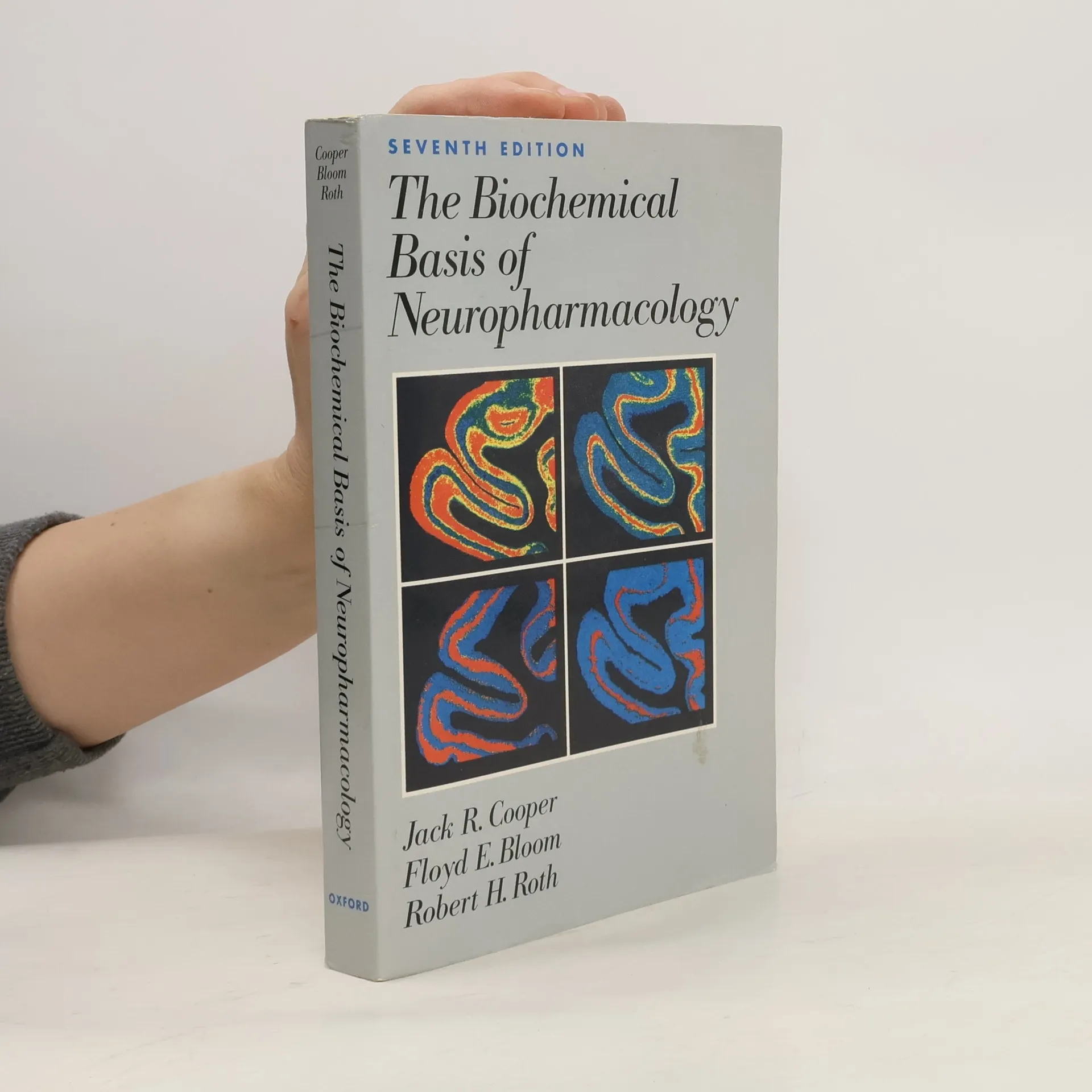
Biochemical Basis of Neuropharmacology - Seventh Edition, Jack R. Cooper, Floyd E. Bloom, Robert H. Roth
- Język

- Rok wydania
- 1996
- Oprawa
- (miękka)
Metody płatności
Brakuje nam tutaj Twojej recenzji.
- Tytuł
- Biochemical Basis of Neuropharmacology - Seventh Edition
- Język
- angielski
- Autorzy
- Jack R. Cooper, Floyd E. Bloom, Robert H. Roth
- Wydawca
- Oxford University Press
- Rok wydania
- 1996
- Oprawa
- miękka
- Liczba stron
- 518
- ISBN10
- 0195103998
- ISBN13
- 9780195103991
- Seria
- Kategorie
- Ocena
- 4,45 z 5
- Opis
- In addition to updating each chapter and including a new discussion of the gaseous neuromodulators nitric oxide and carbon monoxide, the authors have dropped a formerly featured chapter on metabolism in the CNS and incorporated most of this material into a new chapter on the genetic basis ofneurological and psychiatric diseases. With the almost bi-weekly discovery of genes that appear to be involved in diseases of the nervous system, this area has the potential for providing a revolutionary kind of therapy, and it has been accorded greater attention. This versatile text continues to bethe first choice for basic neuropharmacology and neuroscience courses in medical schools and at the undergraduate level, pharmacy schools, graduate pharmacology programs, and residency programs in psychiatry and neurology.