

Parametry
- 144 strony
- 6 godzin czytania
Więcej o książce
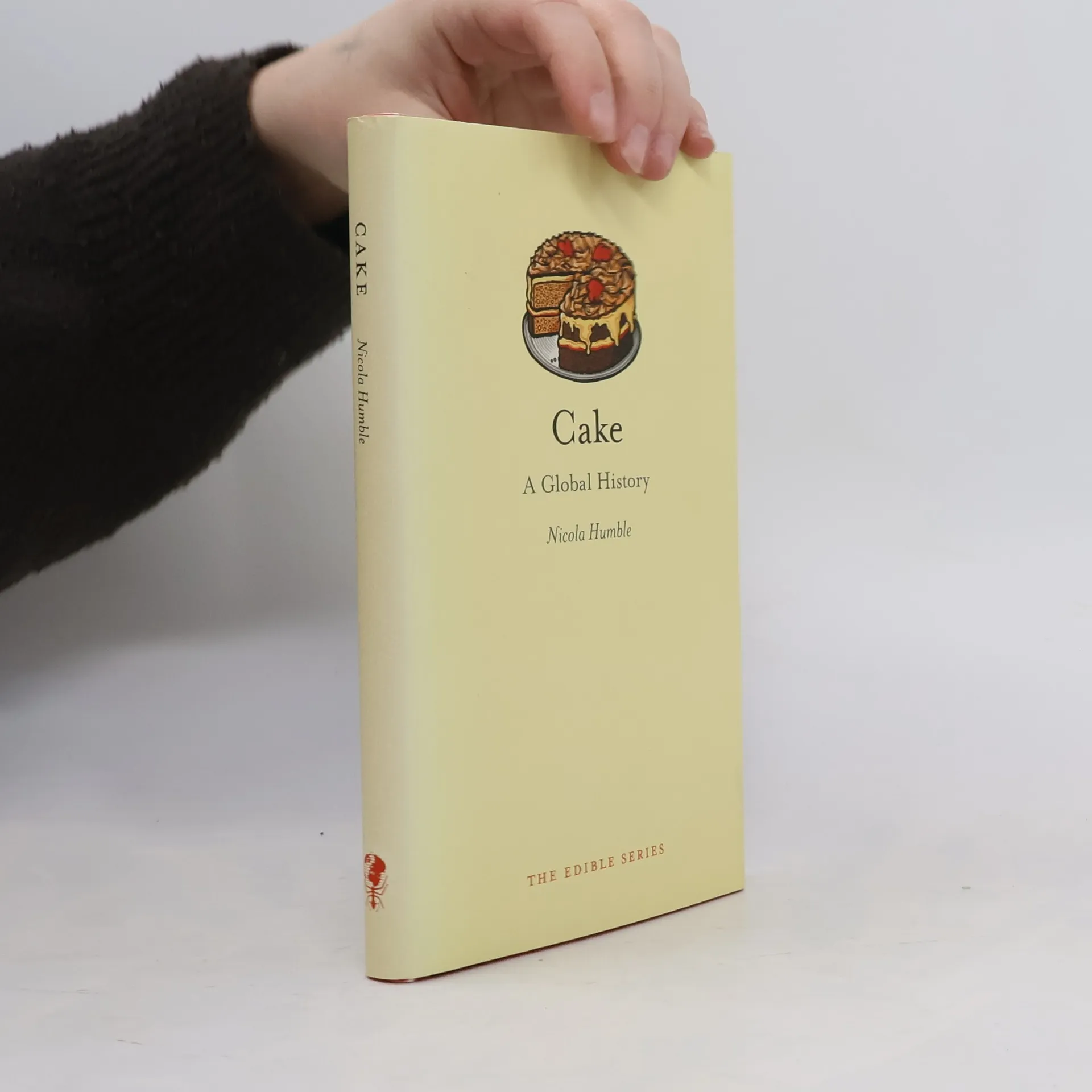
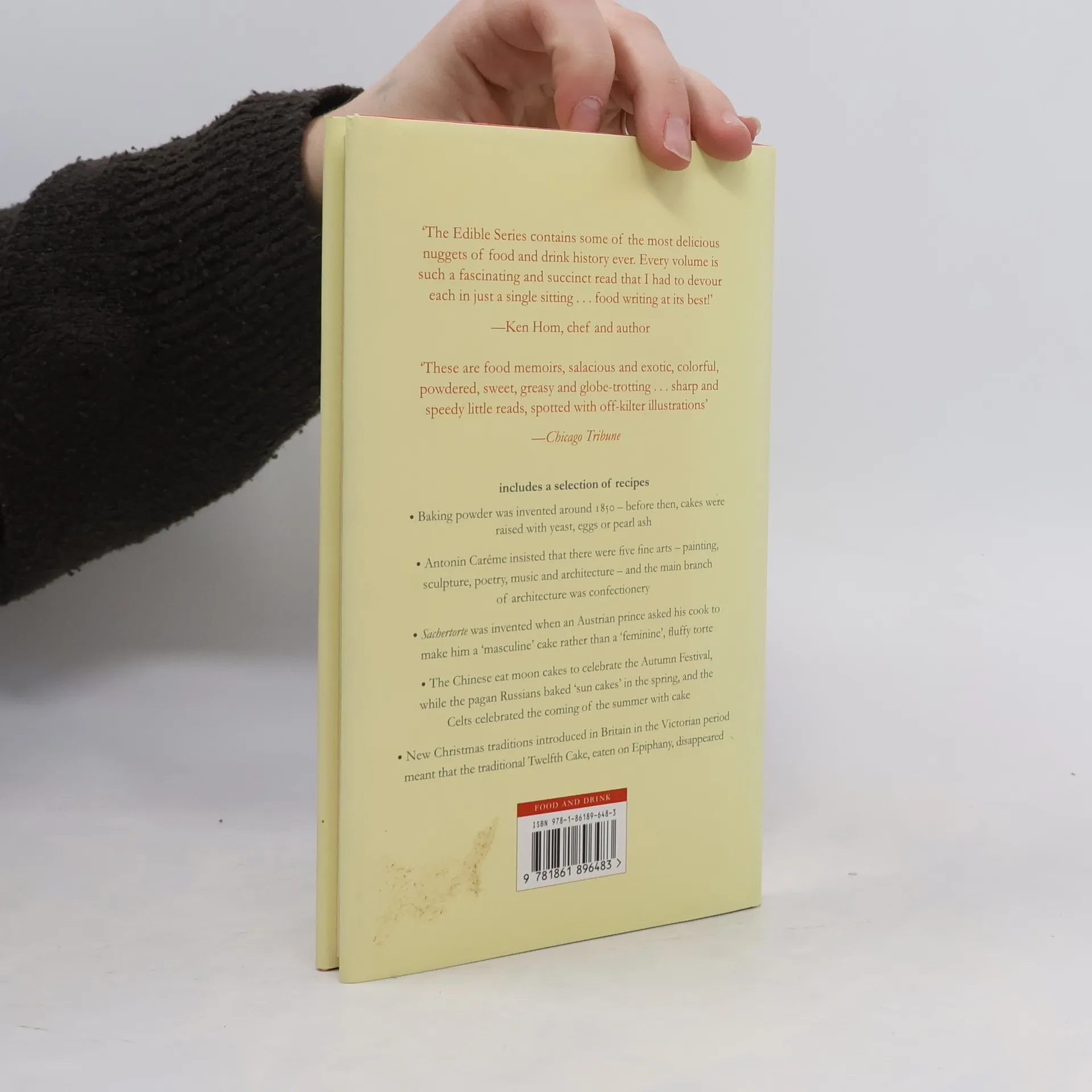
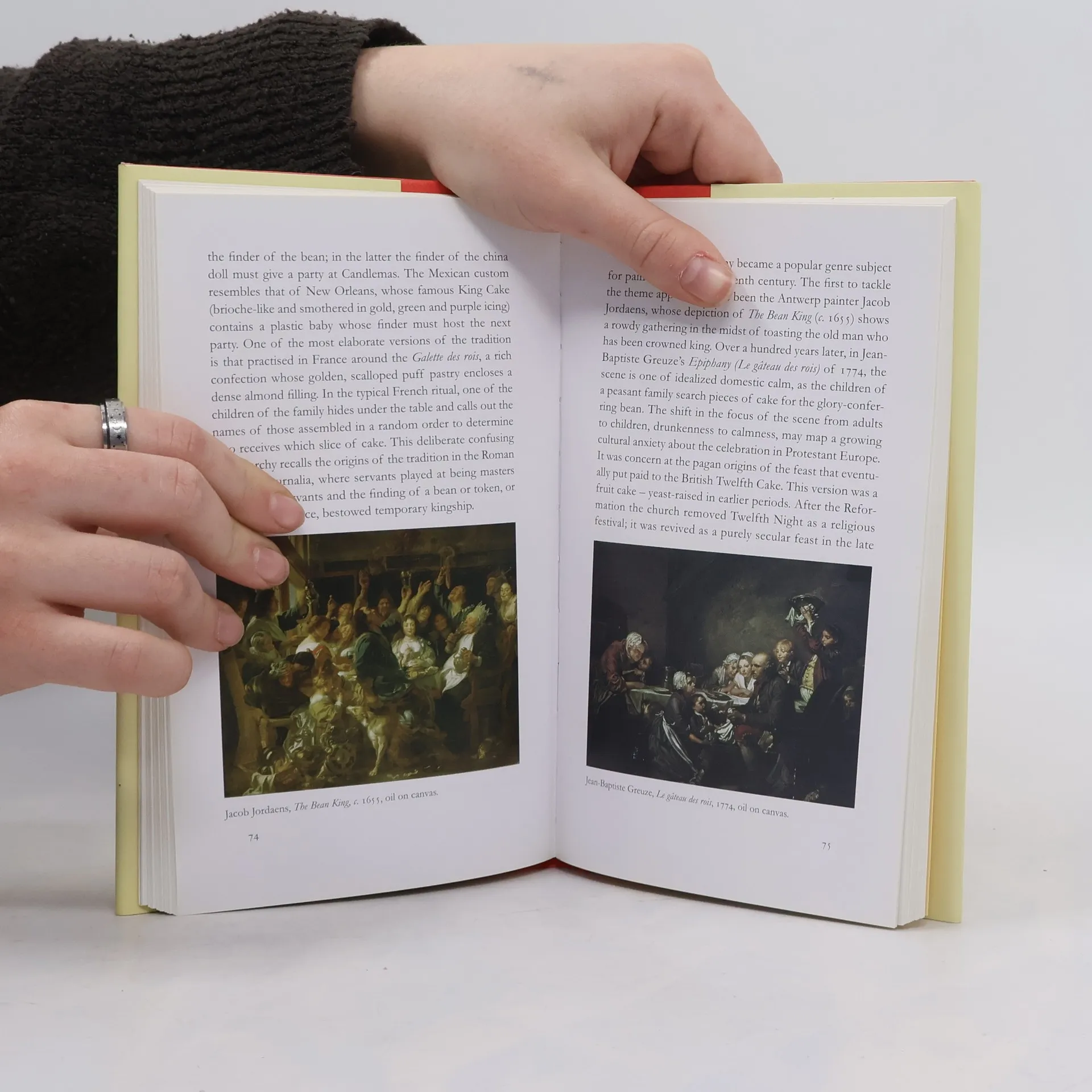
Be it a birthday or a wedding—let them eat cake. Encased in icing, crowned with candles, emblazoned with congratulatory words—cake is the ultimate food of celebration in many cultures around the world. But how did cake come to be the essential food marker of a significant occasion? In A Global History , Nicola Humble explores the meanings, legends, rituals, and symbolism attached to cake through the ages. Humble describes the many national differences in cake-making techniques, customs, and regional histories—from the French gâteau Paris-Brest , named for a cycle race and designed to imitate the form of a bicycle wheel, to the American Lady Baltimore cake, likely named for a fictional cake in a 1906 novel by Owen Wister. She also details the role of cake in literature, art, and film—including Miss Havisham’s imperishable wedding cake in Great Expectations and Marcel Proust’s madeleine of memory—as well as the art and architecture of cake making itself. Featuring a large selection of mouthwatering images, as well as many examples and recipes for some particularly unusual cakes, Cake will provide many sweet reasons for celebration.
Zakup książki
The Edible Series: Cake, Nicola Humble
- Język

- Rok wydania
- 2010
- Oprawa
- (twarda)
Metody płatności
Brakuje nam tutaj Twojej recenzji.
- Tytuł
- The Edible Series: Cake
- Podtytuł
- A Global History
- Język
- angielski
- Autorzy
- Nicola Humble
- Wydawca
- Reaktion Books
- Rok wydania
- 2010
- Oprawa
- twarda
- Liczba stron
- 144
- ISBN10
- 1861896484
- ISBN13
- 9781861896483
- Seria
- Tagi
- Tematy historyczne, Poradniki, Jedzenie, Pieczenie, Jedzenie & Picie, Historia społeczna, Ciasta, Ciasta
- Ocena
- 3,8 z 5
- Opis
- Be it a birthday or a wedding—let them eat cake. Encased in icing, crowned with candles, emblazoned with congratulatory words—cake is the ultimate food of celebration in many cultures around the world. But how did cake come to be the essential food marker of a significant occasion? In A Global History , Nicola Humble explores the meanings, legends, rituals, and symbolism attached to cake through the ages. Humble describes the many national differences in cake-making techniques, customs, and regional histories—from the French gâteau Paris-Brest , named for a cycle race and designed to imitate the form of a bicycle wheel, to the American Lady Baltimore cake, likely named for a fictional cake in a 1906 novel by Owen Wister. She also details the role of cake in literature, art, and film—including Miss Havisham’s imperishable wedding cake in Great Expectations and Marcel Proust’s madeleine of memory—as well as the art and architecture of cake making itself. Featuring a large selection of mouthwatering images, as well as many examples and recipes for some particularly unusual cakes, Cake will provide many sweet reasons for celebration.