


Więcej o książce
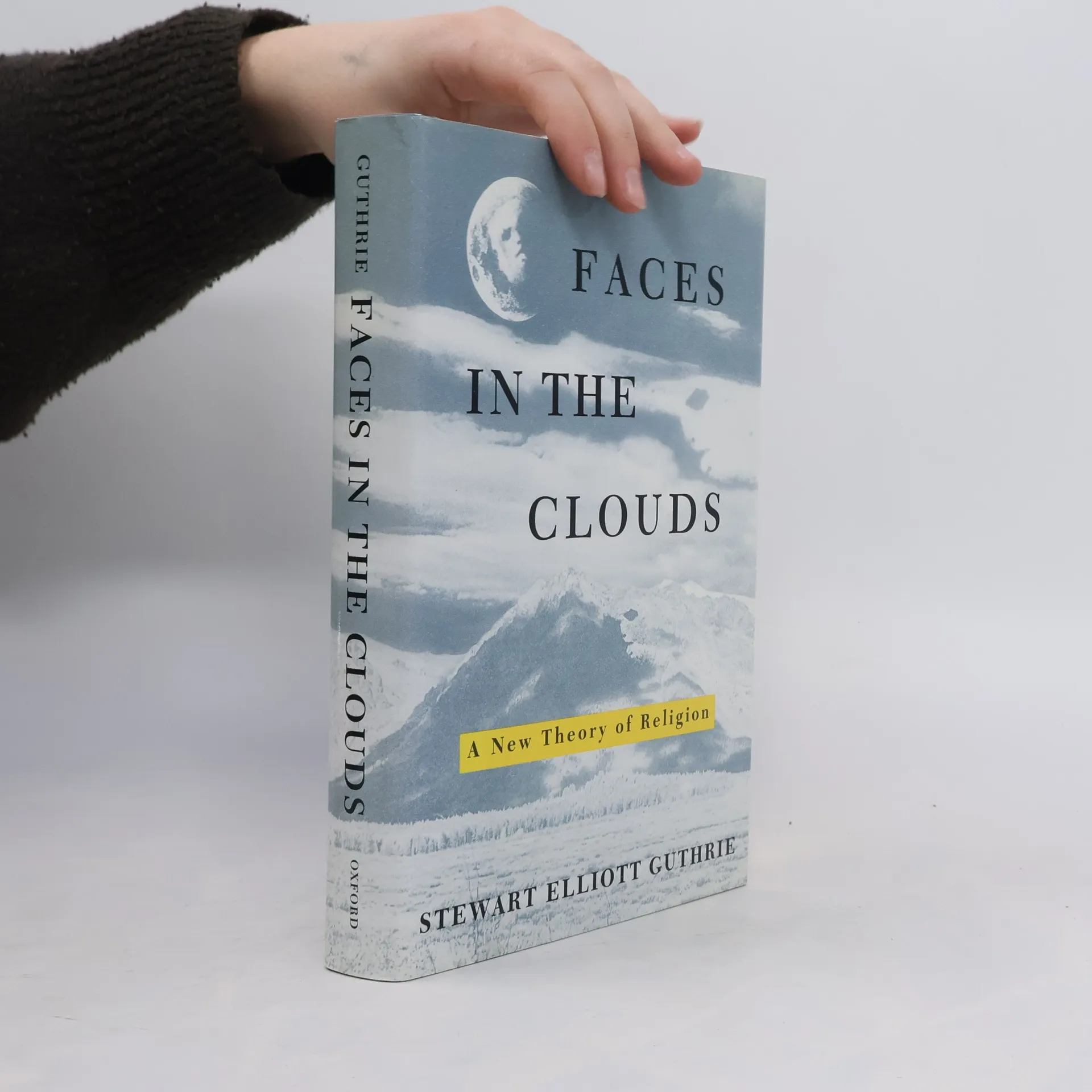
Religion is a universal aspect of human culture, yet its definition remains elusive. In this work, anthropologist Stewart Guthrie presents a bold theory, proposing that religion is best understood as systematic anthropomorphism—the attribution of human traits to nonhuman entities. While many acknowledge anthropomorphism in religion, few consider it central; Guthrie argues it is fundamental. He posits that religion involves perceiving the world as humanlike, leading people to find a variety of humanlike beings plausible, from gods and spirits to fictional characters. We interpret random events—like earthquakes and storms—as having human-like intentions, reflecting a deep-seated perceptual strategy. This strategy arises from our unconscious uncertainty about the world; we tend to favor the most meaningful interpretations. For instance, if we encounter a dark shape in the woods, it’s safer to assume it’s a bear rather than a boulder. This principle, "better safe than sorry," extends to all living beings, as even animals recognize human attributes. Drawing on evidence from various fields, Guthrie illustrates how this perceptual strategy influences both secular life and religious experience, challenging the foundations of religion and prompting a reevaluation of this essential aspect of human existence.
Zakup książki
Faces in the Clouds, Stewart Elliott Guthrie
- Język

- Rok wydania
- 1993
- Oprawa
- (twarda)
Metody płatności
Brakuje nam tutaj Twojej recenzji.
- Tytuł
- Faces in the Clouds
- Podtytuł
- A New Theory of Religion
- Język
- angielski
- Autorzy
- Stewart Elliott Guthrie
- Wydawca
- Oxford University Press
- Rok wydania
- 1993
- Oprawa
- twarda
- Liczba stron
- 290
- ISBN10
- 0195069013
- ISBN13
- 9780195069013
- Seria
- Ocena
- 3,5 z 5
- Opis
- Religion is a universal aspect of human culture, yet its definition remains elusive. In this work, anthropologist Stewart Guthrie presents a bold theory, proposing that religion is best understood as systematic anthropomorphism—the attribution of human traits to nonhuman entities. While many acknowledge anthropomorphism in religion, few consider it central; Guthrie argues it is fundamental. He posits that religion involves perceiving the world as humanlike, leading people to find a variety of humanlike beings plausible, from gods and spirits to fictional characters. We interpret random events—like earthquakes and storms—as having human-like intentions, reflecting a deep-seated perceptual strategy. This strategy arises from our unconscious uncertainty about the world; we tend to favor the most meaningful interpretations. For instance, if we encounter a dark shape in the woods, it’s safer to assume it’s a bear rather than a boulder. This principle, "better safe than sorry," extends to all living beings, as even animals recognize human attributes. Drawing on evidence from various fields, Guthrie illustrates how this perceptual strategy influences both secular life and religious experience, challenging the foundations of religion and prompting a reevaluation of this essential aspect of human existence.