

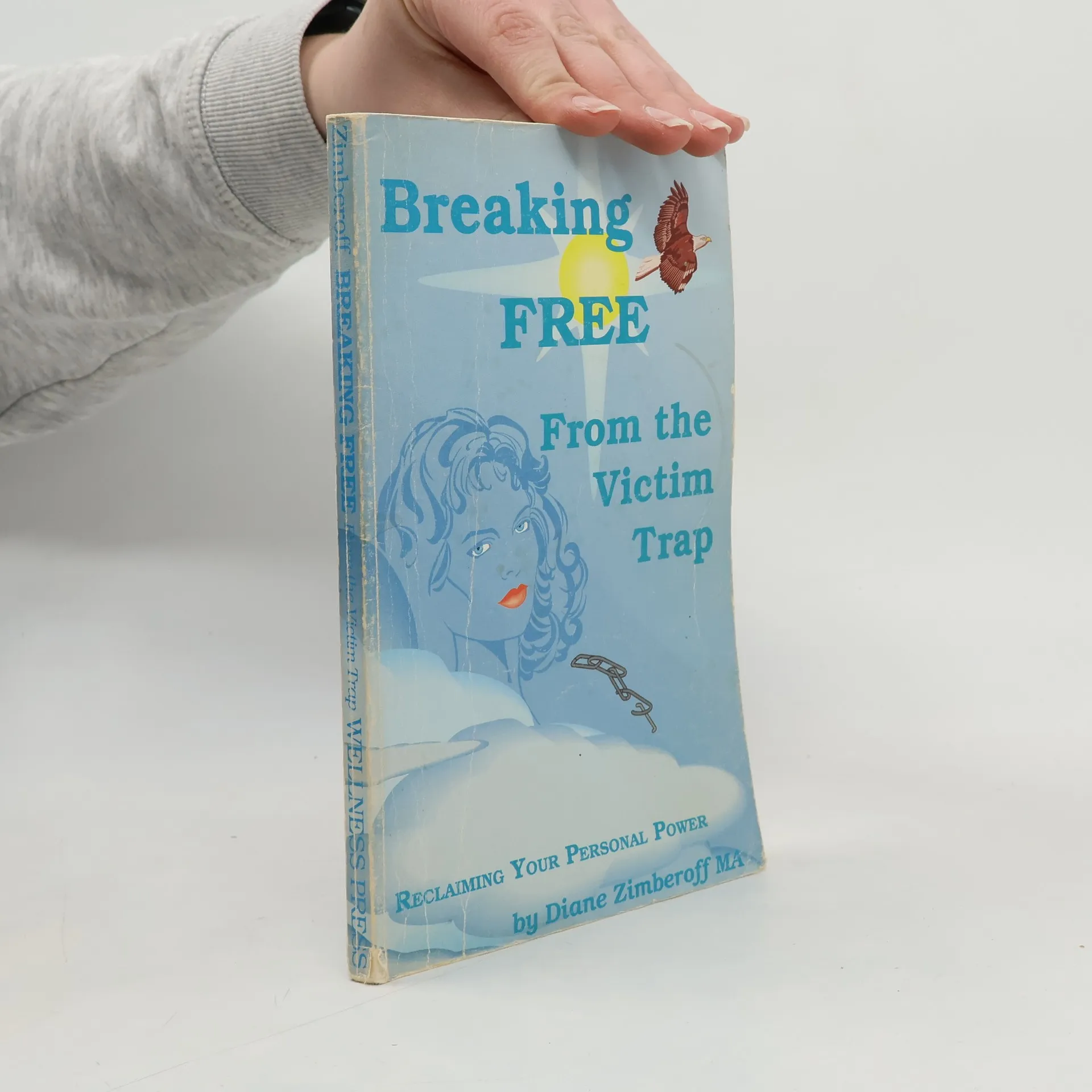
Więcej o książce
This book guides readers in connecting their non-productive life circumstances to their root causes, offering tested methods for meaningful change. It instills hope for healthy transformation and encourages seeking help. Building on foundational concepts from Eric Berne, Claude Steiner, and Thomas A. Harris, it explores the victim, rescuer, and persecutor personalities, enhancing conflict resolution and healing. Clear descriptions of the Victim Triangle help readers identify its relevance in their lives. Personal questionnaires and self-evaluation tests, such as the Victim Triangle Self Diagnosis Test, motivate readers to pursue necessary healing. The book illustrates the link between victim patterns and addictive behaviors through compelling case histories, addressing issues like alcoholism, sexual addiction, eating disorders, domestic violence, and workaholism. It provides effective treatment techniques, moving beyond outdated methods to introduce accessible healing strategies. The benefits of hypnotherapy and Personal Transformation groups are clearly explained, alongside inspiring case histories of individuals who have overcome victim patterns. With foundational concepts and tools for personal change, the book offers clear choices for both those seeking and providing treatment, promoting a holistic approach to personal growth and spiritual advancement.
Zakup książki
Breaking Free from the Victim Trap, Diane Zimberoff
- Język

- Rok wydania
- 1989
- Oprawa
- (miękka)
Metody płatności
Brakuje nam tutaj Twojej recenzji.
- Tytuł
- Breaking Free from the Victim Trap
- Podtytuł
- Reclaiming Your Personal Power
- Język
- angielski
- Autorzy
- Diane Zimberoff
- Wydawca
- Wellness Press
- Rok wydania
- 1989
- Oprawa
- miękka
- Liczba stron
- 192
- ISBN10
- 0962272809
- ISBN13
- 9780962272806
- Seria
- Kategorie
- Ocena
- 4 z 5
- Opis
- This book guides readers in connecting their non-productive life circumstances to their root causes, offering tested methods for meaningful change. It instills hope for healthy transformation and encourages seeking help. Building on foundational concepts from Eric Berne, Claude Steiner, and Thomas A. Harris, it explores the victim, rescuer, and persecutor personalities, enhancing conflict resolution and healing. Clear descriptions of the Victim Triangle help readers identify its relevance in their lives. Personal questionnaires and self-evaluation tests, such as the Victim Triangle Self Diagnosis Test, motivate readers to pursue necessary healing. The book illustrates the link between victim patterns and addictive behaviors through compelling case histories, addressing issues like alcoholism, sexual addiction, eating disorders, domestic violence, and workaholism. It provides effective treatment techniques, moving beyond outdated methods to introduce accessible healing strategies. The benefits of hypnotherapy and Personal Transformation groups are clearly explained, alongside inspiring case histories of individuals who have overcome victim patterns. With foundational concepts and tools for personal change, the book offers clear choices for both those seeking and providing treatment, promoting a holistic approach to personal growth and spiritual advancement.