


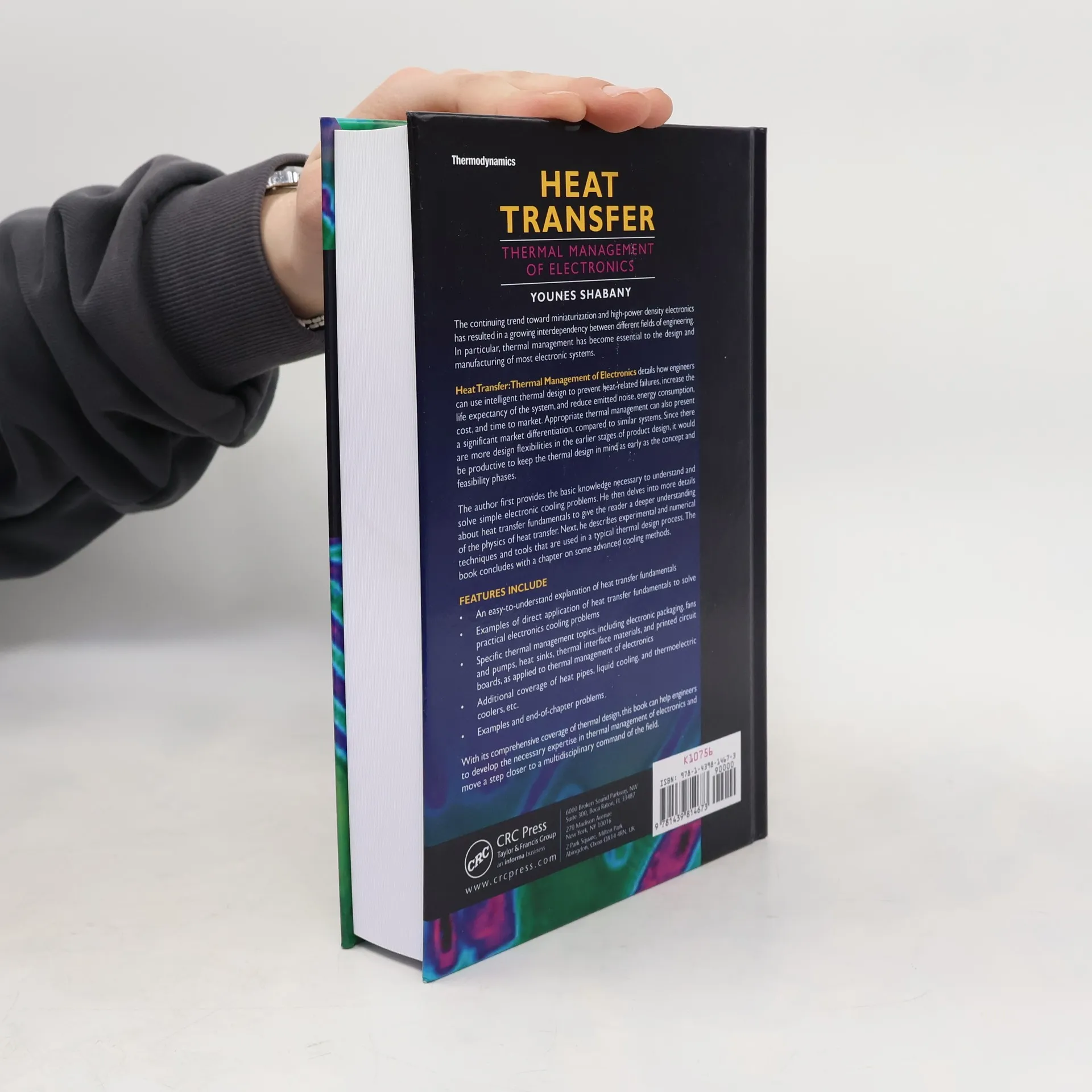

Parametry
- 491 stron
- 18 godzin czytania
Więcej o książce
The trend toward miniaturization and high power density in electronics has led to increased interdependency among engineering fields, making thermal management crucial in electronic system design and manufacturing. Effective thermal management helps prevent heat-related failures, extends system life, and reduces noise, energy consumption, costs, and time to market. It can also provide significant market differentiation. Addressing thermal design early in the product development process enhances design flexibility. The author begins by laying the foundational knowledge needed to tackle basic electronic cooling issues, then explores heat transfer fundamentals for a deeper understanding of heat transfer physics. The discussion progresses to experimental and numerical techniques commonly used in thermal design processes. The book concludes with advanced cooling methods, offering comprehensive insights into thermal design. This resource equips engineers with the expertise necessary for effective thermal management in electronics, advancing their skills toward becoming multidisciplinary engineers.
Zakup książki
Heat Transfer, Younes Shabany
- Język

- Rok wydania
- 2009
- Oprawa
- (twarda)
Metody płatności
Brakuje nam tutaj Twojej recenzji.
- Tytuł
- Heat Transfer
- Podtytuł
- Thermal Management of Electronics
- Język
- angielski
- Autorzy
- Younes Shabany
- Wydawca
- CRC Press
- Rok wydania
- 2009
- Oprawa
- twarda
- Liczba stron
- 491
- ISBN10
- 1439814678
- ISBN13
- 9781439814673
- Seria
- Kategorie
- Tagi
- Podręczniki, Podręczniki akademickie, Nauka, Technologia, Inżynieria, Elektronika, Mechanika, Termodynamika, Opakowania
- Ocena
- 4,2 z 5
- Opis
- The trend toward miniaturization and high power density in electronics has led to increased interdependency among engineering fields, making thermal management crucial in electronic system design and manufacturing. Effective thermal management helps prevent heat-related failures, extends system life, and reduces noise, energy consumption, costs, and time to market. It can also provide significant market differentiation. Addressing thermal design early in the product development process enhances design flexibility. The author begins by laying the foundational knowledge needed to tackle basic electronic cooling issues, then explores heat transfer fundamentals for a deeper understanding of heat transfer physics. The discussion progresses to experimental and numerical techniques commonly used in thermal design processes. The book concludes with advanced cooling methods, offering comprehensive insights into thermal design. This resource equips engineers with the expertise necessary for effective thermal management in electronics, advancing their skills toward becoming multidisciplinary engineers.