

Więcej o książce
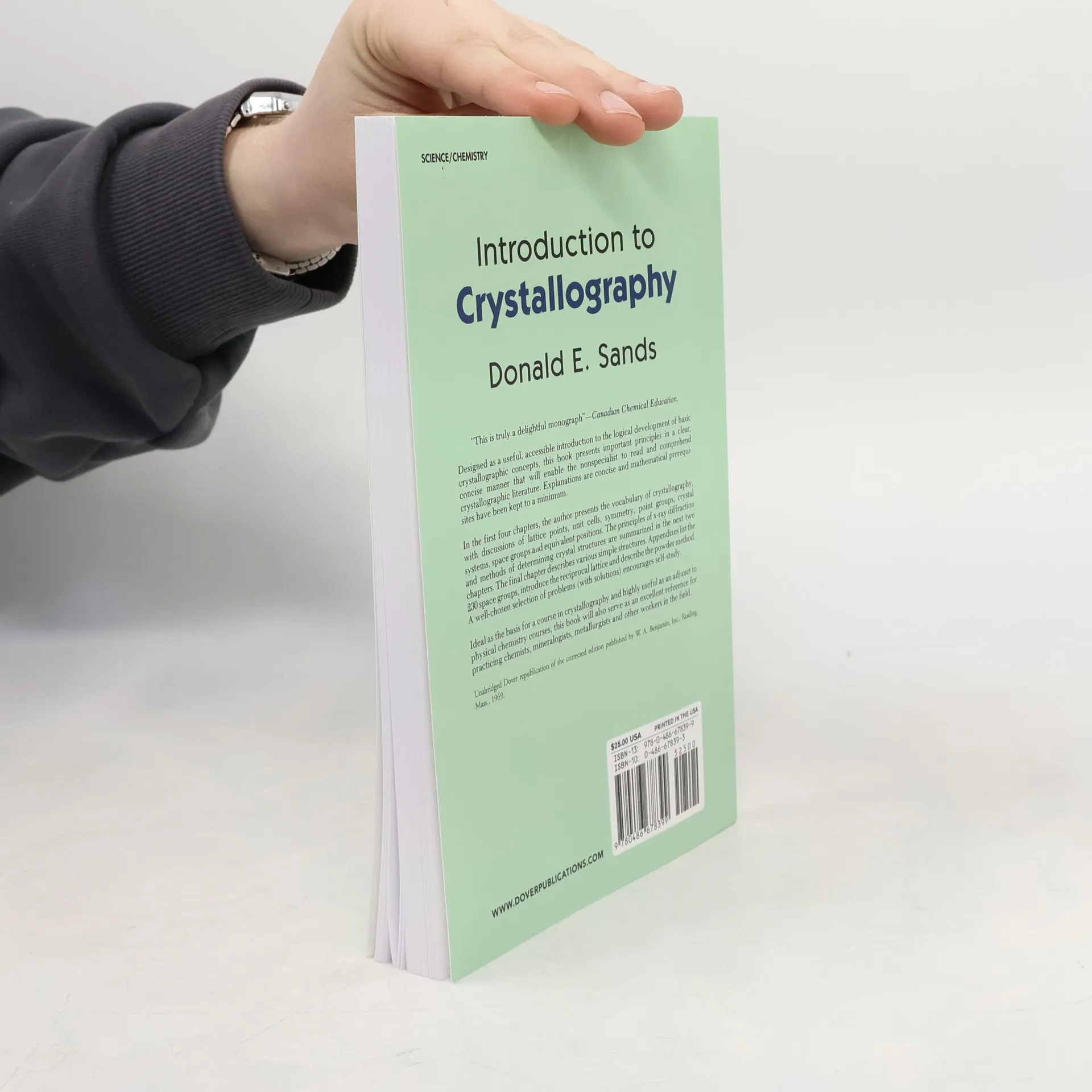
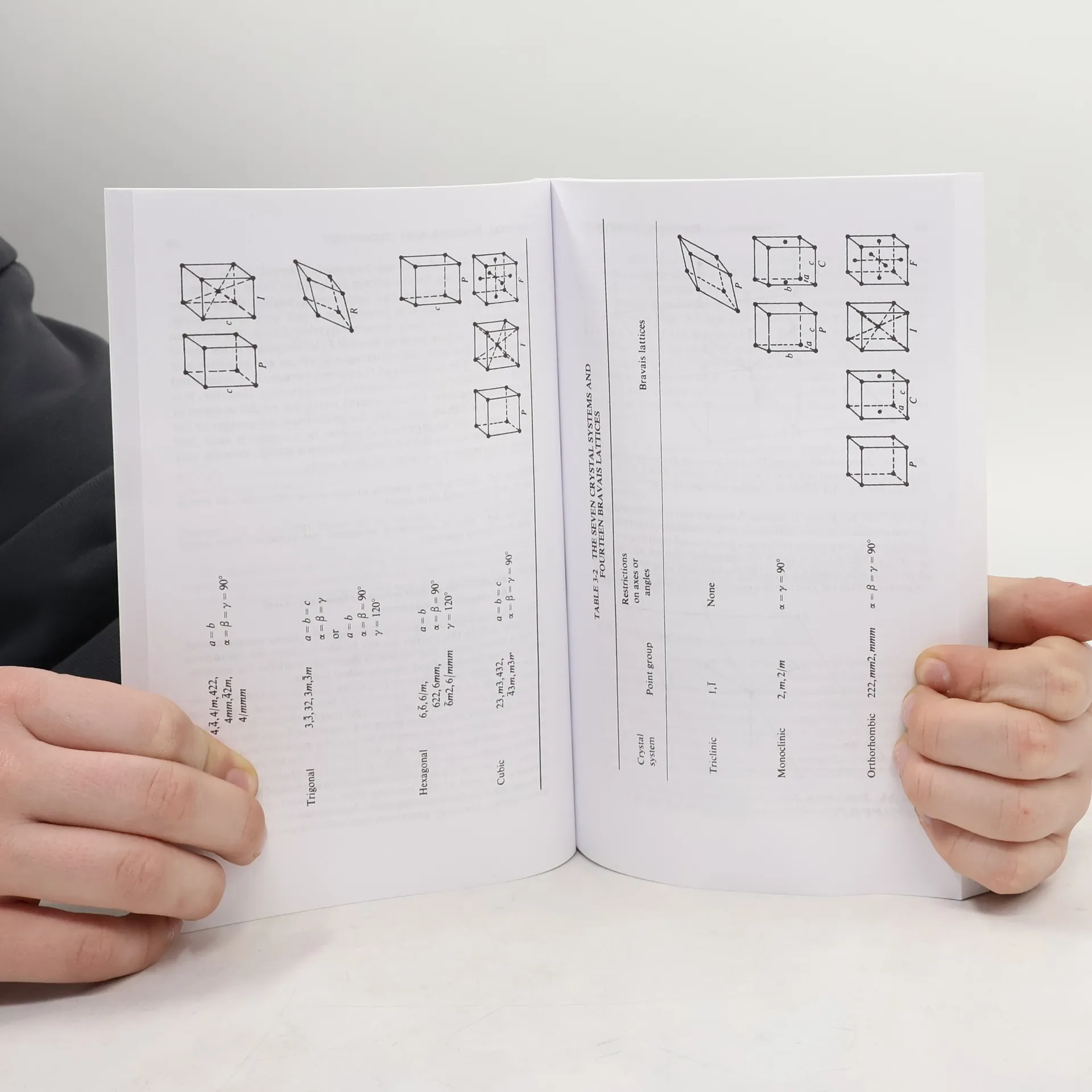
"This is truly a delightful monograph." — Canadian Chemical EducationDesigned as a useful, accessible introduction to the logical development of basic crystallographic concepts, this book presents important principles in a clear, concise manner that will enable the nonspecialist to read and comprehend crystallographic literature. Explanations are concise and mathematical prerequisites have been kept to a minimum.In the first four chapters, the author presents the vocabulary of crystallography, with discussions of lattice points, unit cells, symmetry, point groups, crystal systems, space groups, and equivalent positions. The principles of x-ray diffraction and methods of determining crystal structures are summarized in the next two chapters. The final chapter describes various simple structures. Appendixes list the 230 space groups, introduce the reciprocal lattice, and describe the powder method. A well-chosen selection of problems (with solutions) encourages self-study.Ideal as the basis for a course in crystallography and highly useful as an adjunct to physical chemistry courses, this book will also serve as an excellent reference for practicing chemists, mineralogists, metallurgists, and other workers in the field. 1969 edition.
Zakup książki
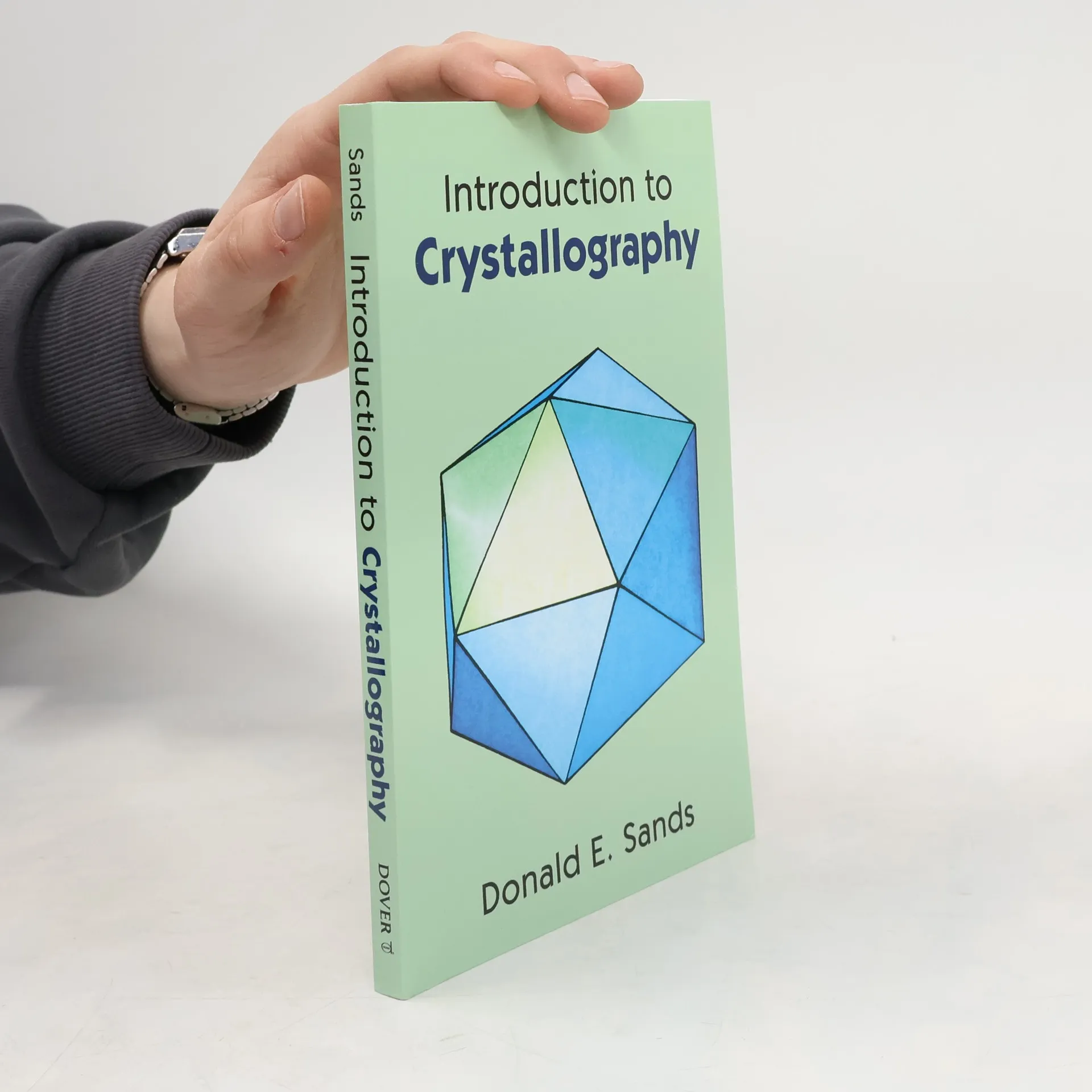
Introduction to Crystallography, Donald E. Sands
- Język

- Rok wydania
- 1993
- Oprawa
- (miękka)
Metody płatności
Brakuje nam tutaj Twojej recenzji.
- Tytuł
- Introduction to Crystallography
- Język
- angielski
- Autorzy
- Donald E. Sands
- Wydawca
- Dover Publications
- Rok wydania
- 1993
- Oprawa
- miękka
- Liczba stron
- 192
- ISBN10
- 0486678393
- ISBN13
- 9780486678399
- Seria
- Tagi
- Nauki przyrodnicze, Nauka
- Ocena
- 3,95 z 5
- Opis
- "This is truly a delightful monograph." — Canadian Chemical EducationDesigned as a useful, accessible introduction to the logical development of basic crystallographic concepts, this book presents important principles in a clear, concise manner that will enable the nonspecialist to read and comprehend crystallographic literature. Explanations are concise and mathematical prerequisites have been kept to a minimum.In the first four chapters, the author presents the vocabulary of crystallography, with discussions of lattice points, unit cells, symmetry, point groups, crystal systems, space groups, and equivalent positions. The principles of x-ray diffraction and methods of determining crystal structures are summarized in the next two chapters. The final chapter describes various simple structures. Appendixes list the 230 space groups, introduce the reciprocal lattice, and describe the powder method. A well-chosen selection of problems (with solutions) encourages self-study.Ideal as the basis for a course in crystallography and highly useful as an adjunct to physical chemistry courses, this book will also serve as an excellent reference for practicing chemists, mineralogists, metallurgists, and other workers in the field. 1969 edition.