


Więcej o książce
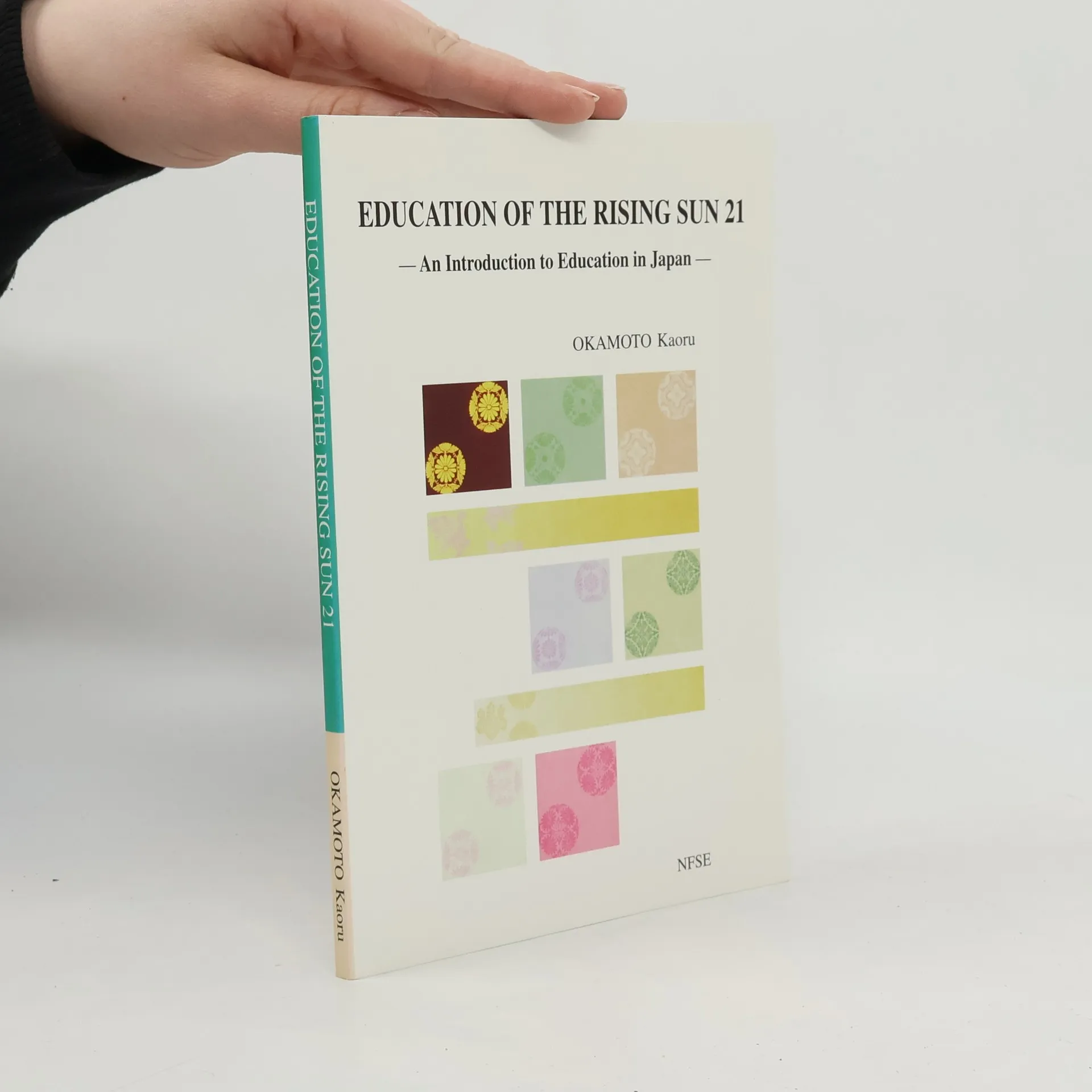
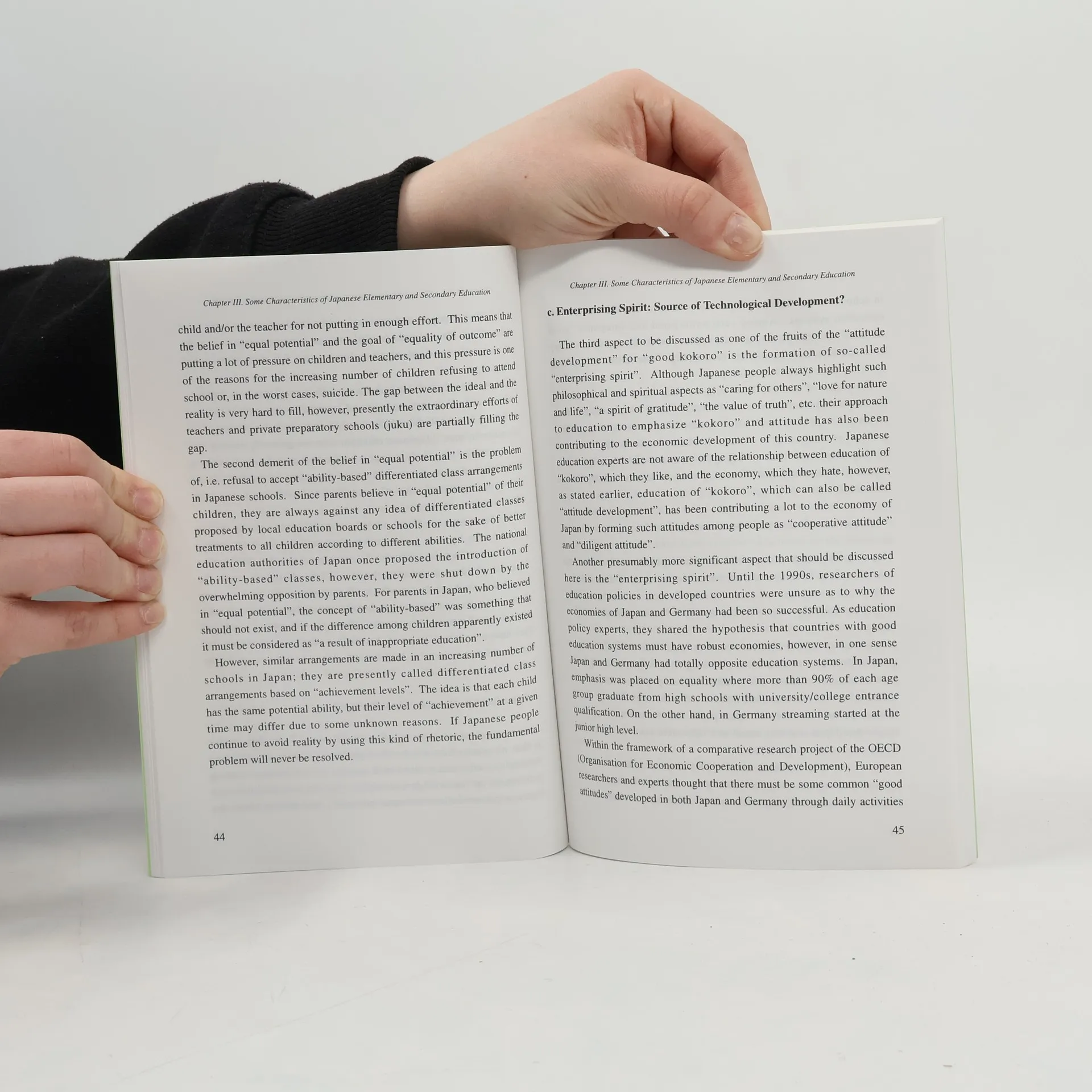
This book was written with the intention of presenting meaningful and interesting information about education in Japan in a way so that readers will obtain a more complete understanding of it. There are three characteristic ways the Japanese think about education: (1) there is an emotionally charged "penchant for education," which is not necessarily logically based; (2) the fundamental purpose of education is toward the cultivation of character or "kokoro"; and (3) there is a push toward "equality" in education in that all children can and should develop in the same manner. The teaching of knowledge and skills is referred to as "training" and is given a status lower than that given to character development. The history of education in Japan is presented to provide context for the maintenance of these values and their selective evolution that helped the country recover from World War II and eventually become an economic superpower. The various values and facets of education in Japan present both strengths and hindrances to modernization in ways that can be difficult for somebody outside the country's culture to understand. It is hoped that this book will shed light on these traits, values, strengths, and problems that make Japanese education distinctively unique. (RT)
Zakup książki
Education of the Rising Sun 21, Kaoru Okamoto, 岡本薫
- Język

- Rok wydania
- 2001
Metody płatności
Nikt jeszcze nie ocenił.
- Tytuł
- Education of the Rising Sun 21
- Podtytuł
- An Introduction to Education in Japan
- Język
- angielski
- Autorzy
- Kaoru Okamoto, 岡本薫
- Rok wydania
- 2001
- Liczba stron
- 118
- ISBN10
- 4793701213
- ISBN13
- 9784793701214
- Seria
- Opis
- This book was written with the intention of presenting meaningful and interesting information about education in Japan in a way so that readers will obtain a more complete understanding of it. There are three characteristic ways the Japanese think about education: (1) there is an emotionally charged "penchant for education," which is not necessarily logically based; (2) the fundamental purpose of education is toward the cultivation of character or "kokoro"; and (3) there is a push toward "equality" in education in that all children can and should develop in the same manner. The teaching of knowledge and skills is referred to as "training" and is given a status lower than that given to character development. The history of education in Japan is presented to provide context for the maintenance of these values and their selective evolution that helped the country recover from World War II and eventually become an economic superpower. The various values and facets of education in Japan present both strengths and hindrances to modernization in ways that can be difficult for somebody outside the country's culture to understand. It is hoped that this book will shed light on these traits, values, strengths, and problems that make Japanese education distinctively unique. (RT)