



Ocena książki
Parametry
- 467 stron
- 17 godzin czytania
Więcej o książce
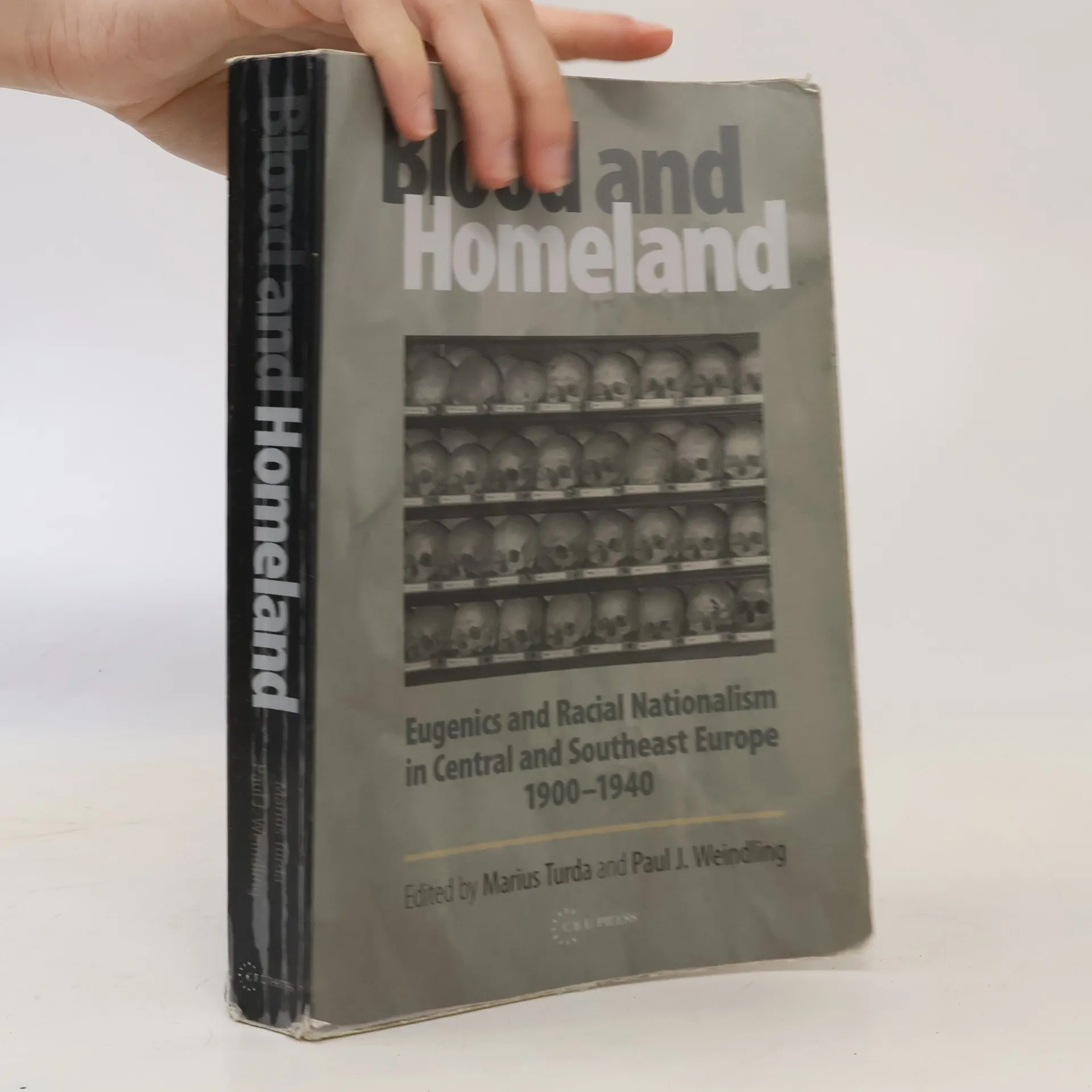
The history of eugenics and racial nationalism in Central and Southeast Europe is a neglected topic of analysis in contemporary scholarship. The 20 essays in this volume, written by distinguished scholars of eugenics and fascism alongside a new generation of scholars, excavate the hitherto unknown eugenics movements in Central and Southeast Europe, including Austria and Germany. Eugenics and racial nationalism are topics that have constantly been marginalized and rated as incompatible with local national traditions in Central and Southeast Europe. These topics receive a new treatment here. On the one hand, the historiographic perspective connects developments in the history of anthropology and eugenics with political ideologies such as racial nationalism and anti-semitism; on the other hand, it contests the 'Sonderweg' approach adopted by scholars dealing with these issues.
Zakup książki
Blood and Homeland, Marius Turda, Paul J. Weindling
- Język

- Rok wydania
- 2006
- Oprawa
- (miękka)
Metody płatności
Brakuje nam tutaj Twojej recenzji.
- Tytuł
- Blood and Homeland
- Podtytuł
- Eugenics and Racial Nationalism in Central and Southeast Europe, 1900-1940
- Język
- angielski
- Autorzy
- Marius Turda, Paul J. Weindling
- Rok wydania
- 2006
- Oprawa
- miękka
- Liczba stron
- 467
- ISBN10
- 9637326812
- ISBN13
- 9789637326813
- Seria
- Kategorie
- Tagi
- Tematy historyczne, Tematy chrześcijańskie, Nauka, XX wiek, Europa, Historia Europy, Teorie polityczne, Rasa & Rasizm, Kościół katolicki, Europa Środkowa, Europa Wschodnia, Nacjonalizm, Dyskryminacja, Etniczność, Protestantyzm, Demografia, Jeńcy wojenni, Eugenika
- Ocena
- 4,8 z 5
- Opis
- The history of eugenics and racial nationalism in Central and Southeast Europe is a neglected topic of analysis in contemporary scholarship. The 20 essays in this volume, written by distinguished scholars of eugenics and fascism alongside a new generation of scholars, excavate the hitherto unknown eugenics movements in Central and Southeast Europe, including Austria and Germany. Eugenics and racial nationalism are topics that have constantly been marginalized and rated as incompatible with local national traditions in Central and Southeast Europe. These topics receive a new treatment here. On the one hand, the historiographic perspective connects developments in the history of anthropology and eugenics with political ideologies such as racial nationalism and anti-semitism; on the other hand, it contests the 'Sonderweg' approach adopted by scholars dealing with these issues.