



Więcej o książce
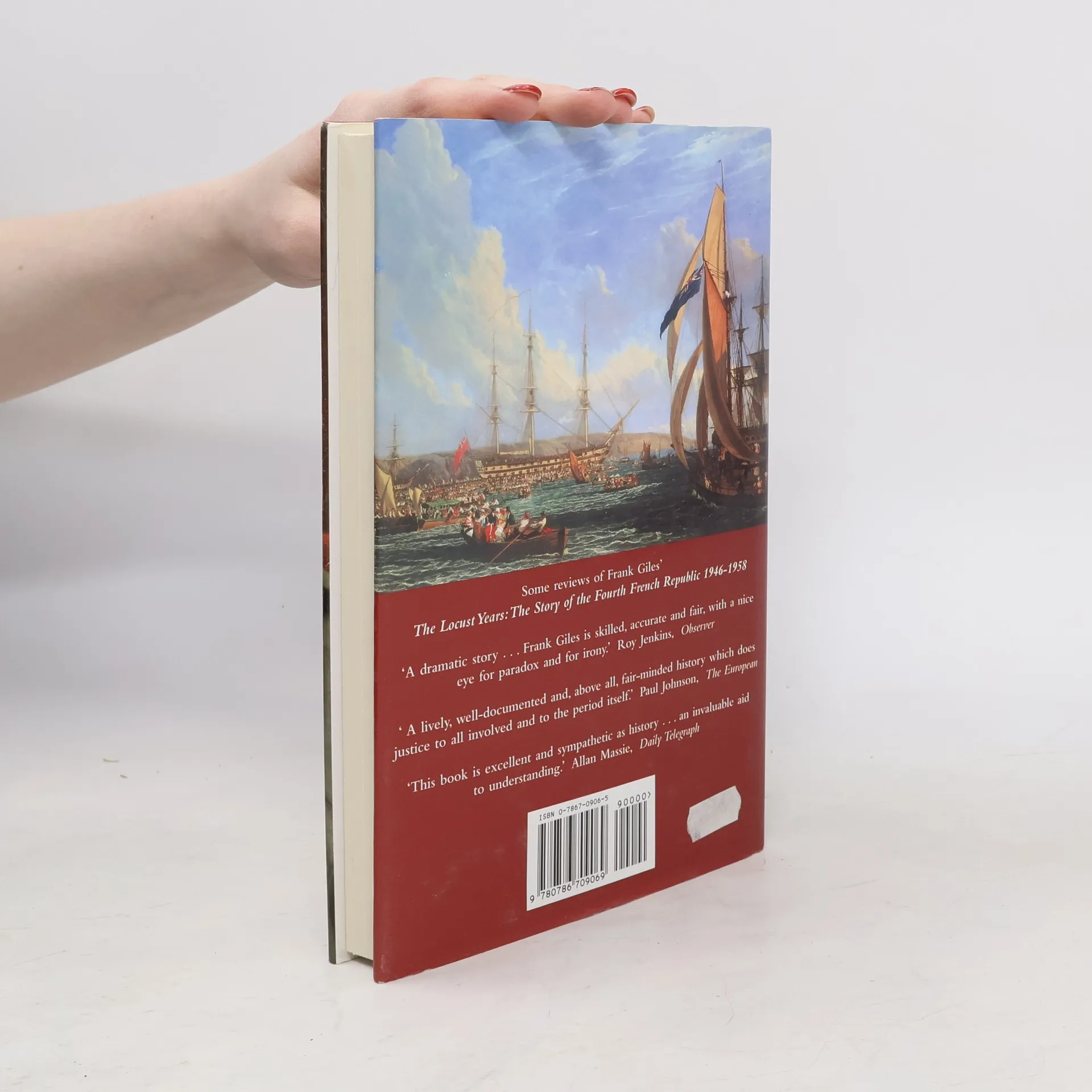
Napoleon Bonaparte never set foot on English soil, though he was held aboard a warship off Devon after his 1815 surrender. He never acknowledged being a prisoner. This study focuses on the last six years of his life, from his arrival in Devon, where he attracted massive public interest, to his exile on St. Helena, where he died in 1821. Journalist and historian Frank Giles reconstructs an authentic portrait of the fallen emperor by examining contemporary documents and public opinions. At St. Helena, Napoleon sought to obscure his tyrannical past in France, crafting a legend that portrayed him as the architect of a federation of free European peoples, thwarted only by reactionary monarchs and England's envy. Many English citizens, particularly discontent Whigs, supported this narrative while condemning Sir Hudson Lowe, the British governor at St. Helena, as a petty tyrant. Giles scrutinizes the Hudson Lowe papers to offer a more nuanced perspective on Lowe, often vilified by critics. This examination reveals a more balanced view of both Lowe and Napoleon, who were bound to each other on an isolated island for six years.
Zakup książki
Napoleon Bonaparte, Frank Giles
- Język

- Rok wydania
- 2001
- Oprawa
- (twarda)
Metody płatności
Nikt jeszcze nie ocenił.
- Tytuł
- Napoleon Bonaparte
- Podtytuł
- England's Prisoner
- Język
- angielski
- Autorzy
- Frank Giles
- Wydawca
- Carroll & Graf
- Rok wydania
- 2001
- Oprawa
- twarda
- Liczba stron
- 320
- ISBN10
- 0786709065
- ISBN13
- 9780786709069
- Seria
- Kategorie
- Tagi
- Tematy historyczne, USA, Francja, Europa, Wielka Brytania, Historia Europy, Zachodnia Europa, Cesarze
- Opis
- Napoleon Bonaparte never set foot on English soil, though he was held aboard a warship off Devon after his 1815 surrender. He never acknowledged being a prisoner. This study focuses on the last six years of his life, from his arrival in Devon, where he attracted massive public interest, to his exile on St. Helena, where he died in 1821. Journalist and historian Frank Giles reconstructs an authentic portrait of the fallen emperor by examining contemporary documents and public opinions. At St. Helena, Napoleon sought to obscure his tyrannical past in France, crafting a legend that portrayed him as the architect of a federation of free European peoples, thwarted only by reactionary monarchs and England's envy. Many English citizens, particularly discontent Whigs, supported this narrative while condemning Sir Hudson Lowe, the British governor at St. Helena, as a petty tyrant. Giles scrutinizes the Hudson Lowe papers to offer a more nuanced perspective on Lowe, often vilified by critics. This examination reveals a more balanced view of both Lowe and Napoleon, who were bound to each other on an isolated island for six years.