



Parametry
- 668 stron
- 24 godziny czytania
Więcej o książce
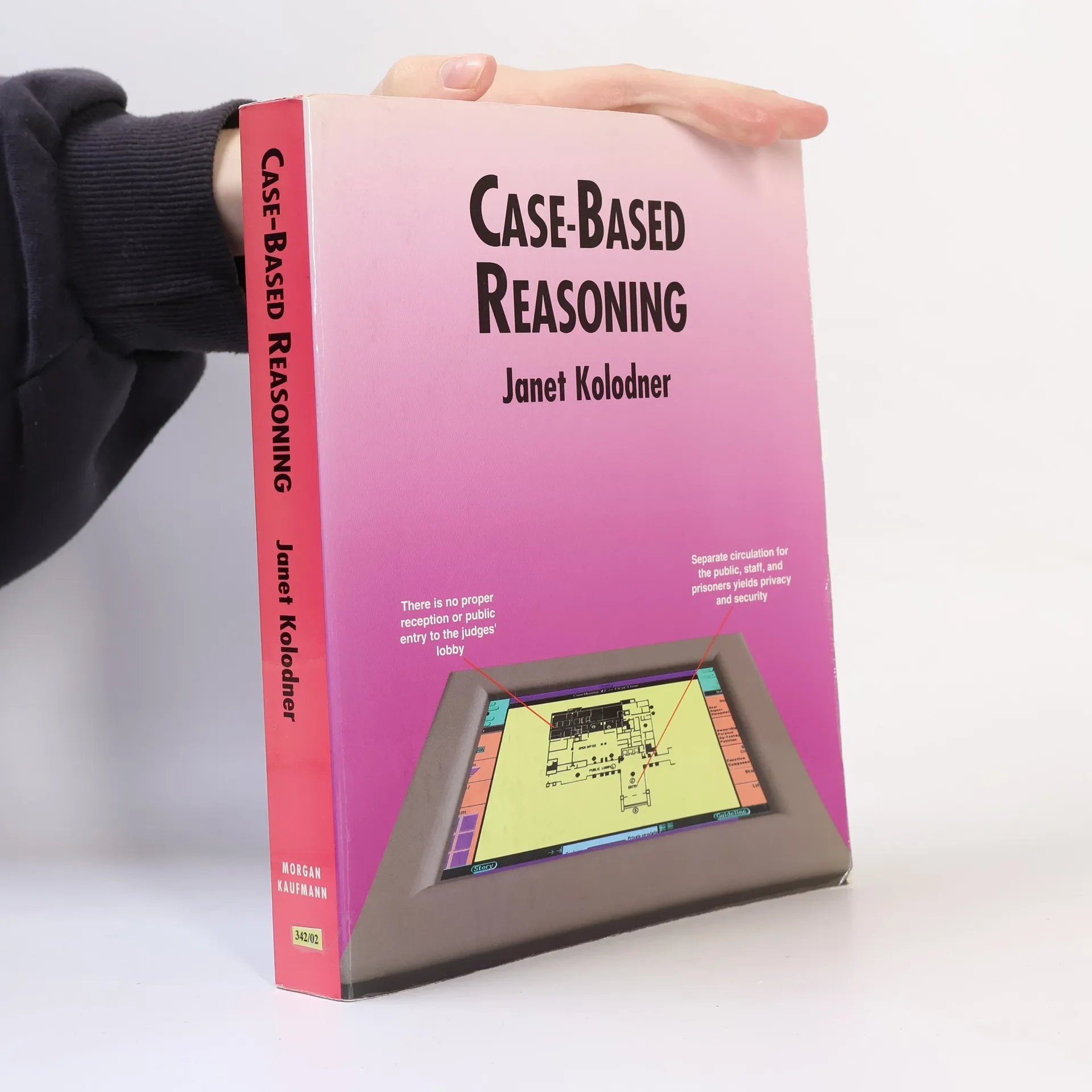
Case-based reasoning is a rapidly expanding area within knowledge-based systems, and this book serves as the first comprehensive text on the subject by a leading expert. These systems store information about past situations, allowing them to address new problems by retrieving similar cases from memory. By comparing and contrasting current issues with stored cases, inferences are drawn, and questions are posed when necessary. The book showcases the latest advancements in case-based reasoning, synthesizing a wide array of approaches while emphasizing applications in complex real-world scenarios such as medical diagnosis, design, conflict resolution, and planning. The author's methodology integrates cognitive science and engineering, drawing insights from both expert and common-sense tasks. Guidelines for developing case-based expert systems are included, covering knowledge representation, case indexing for easy access, efficient retrieval processes, and adapting previous solutions to new challenges. This text is ideal for courses and tutorials on case-based reasoning and serves as a valuable resource for computer professionals and cognitive scientists eager to explore this burgeoning field.
Zakup książki
Case-Based Reasoning, Janet L. Kolodner
- Język

- Rok wydania
- 1993
- Oprawa
- (miękka)
Metody płatności
Brakuje nam tutaj Twojej recenzji.
- Tytuł
- Case-Based Reasoning
- Język
- angielski
- Autorzy
- Janet L. Kolodner
- Wydawca
- Morgan Kaufmann
- Rok wydania
- 1993
- Oprawa
- miękka
- Liczba stron
- 668
- ISBN10
- 1558602372
- ISBN13
- 9781558602373
- Seria
- Tagi
- Tematyka psychologiczna, Poradniki, USA, Literatura fachowa, Sztuczna inteligencja, Systemy eksperckie
- Ocena
- 3,6 z 5
- Opis
- Case-based reasoning is a rapidly expanding area within knowledge-based systems, and this book serves as the first comprehensive text on the subject by a leading expert. These systems store information about past situations, allowing them to address new problems by retrieving similar cases from memory. By comparing and contrasting current issues with stored cases, inferences are drawn, and questions are posed when necessary. The book showcases the latest advancements in case-based reasoning, synthesizing a wide array of approaches while emphasizing applications in complex real-world scenarios such as medical diagnosis, design, conflict resolution, and planning. The author's methodology integrates cognitive science and engineering, drawing insights from both expert and common-sense tasks. Guidelines for developing case-based expert systems are included, covering knowledge representation, case indexing for easy access, efficient retrieval processes, and adapting previous solutions to new challenges. This text is ideal for courses and tutorials on case-based reasoning and serves as a valuable resource for computer professionals and cognitive scientists eager to explore this burgeoning field.