

Parametry
- 124 strony
- 5 godzin czytania
Więcej o książce
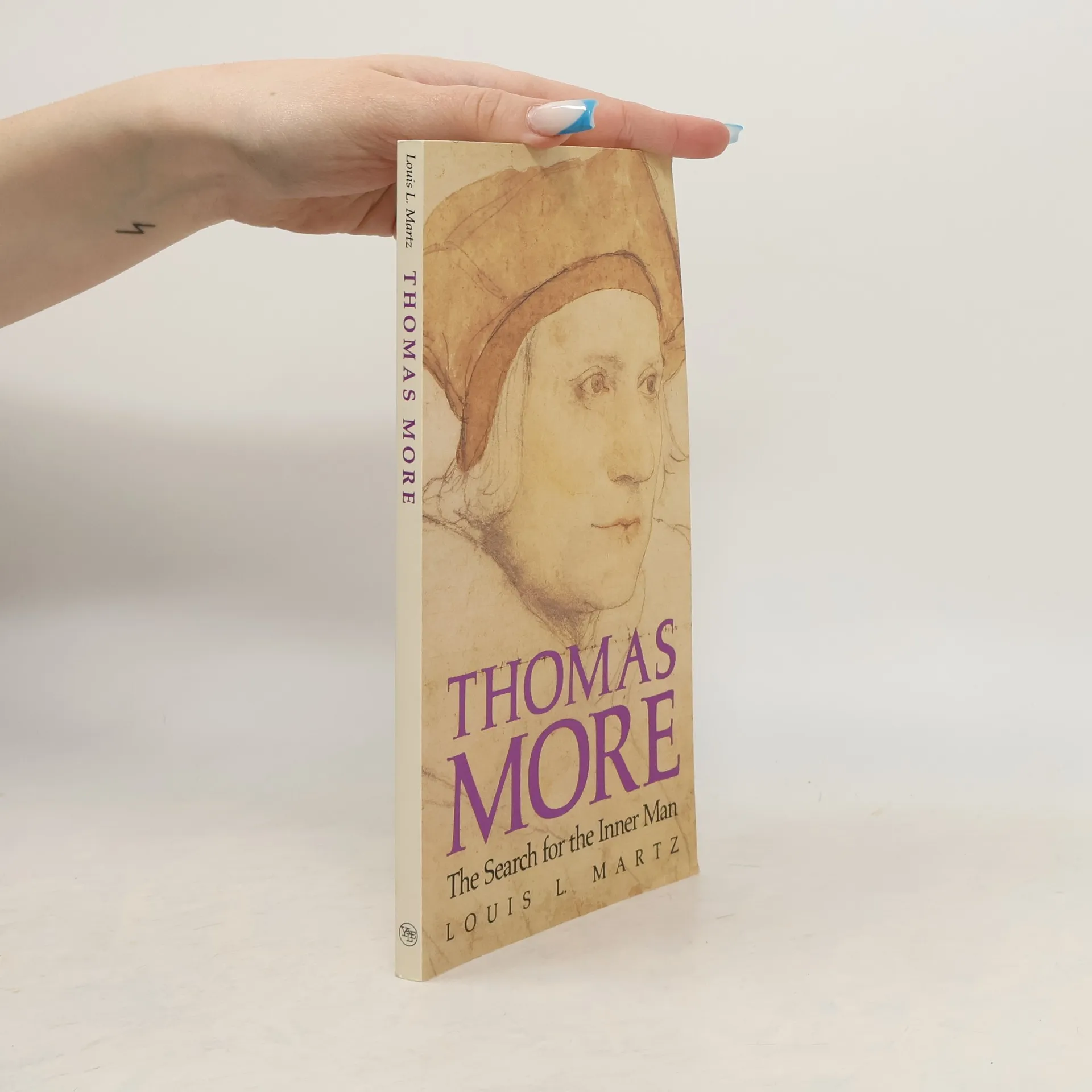
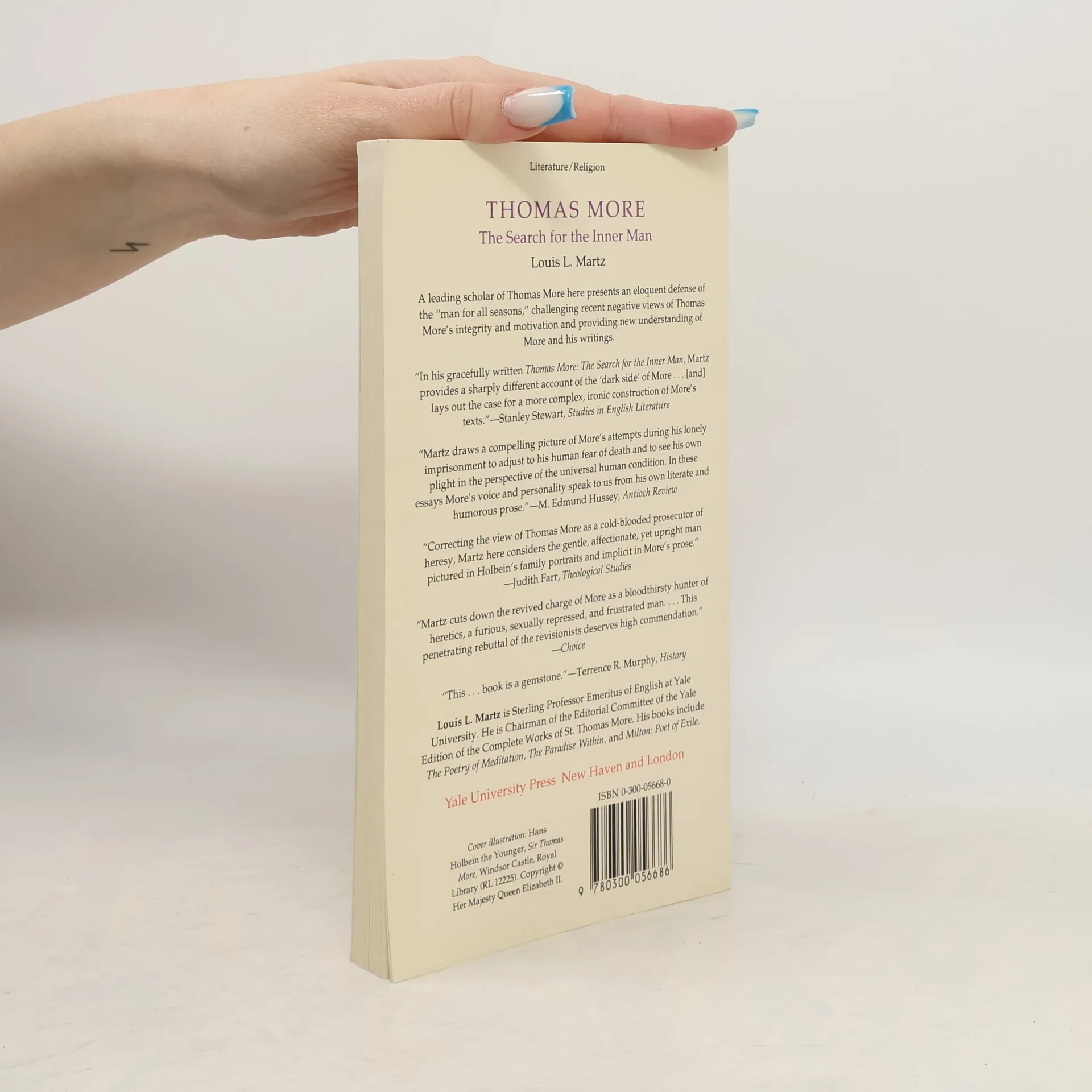
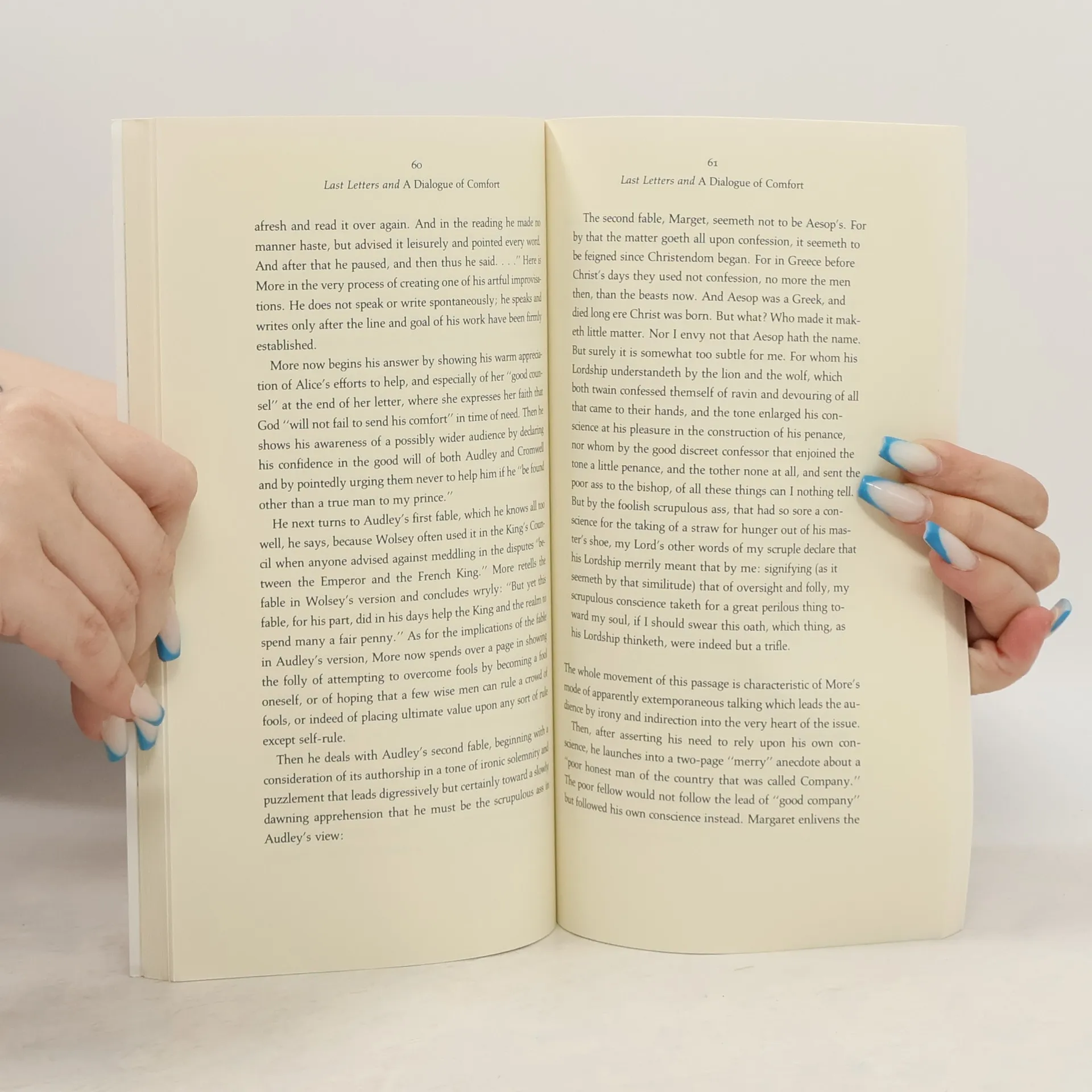
Recent writings about Thomas More have challenged the long-held perception of him as a humane and heroic figure. This new book addresses these revisionist views by analyzing More's writings alongside Holbein's portraits of him and his family. The author effectively counters the portrayal of More as a bloodthirsty hunter of heretics and a sexually repressed individual, offering a commendable rebuttal to revisionist claims. It presents a compelling picture of More's struggles during his imprisonment, highlighting his human fear of death and his reflections on the universal human condition. Through his literate and humorous prose, More's voice and personality resonate with readers. The author provides a nuanced interpretation of More's texts, revealing a more complex and ironic perspective on his character. This work is described as a "gemstone" and corrects the view of More as a cold-blooded prosecutor of heresy, instead depicting him as a gentle, affectionate, and upright man, as suggested by Holbein's family portraits and More's own writings.
Zakup książki
Thomas More, Louis Lohr Martz
- Język

- Rok wydania
- 1990
- Oprawa
- (miękka)
Metody płatności
Brakuje nam tutaj Twojej recenzji.
- Tytuł
- Thomas More
- Podtytuł
- The Search for the Inner Man
- Język
- angielski
- Autorzy
- Louis Lohr Martz
- Wydawca
- Yale University Press
- Rok wydania
- 1990
- Oprawa
- miękka
- Liczba stron
- 124
- ISBN10
- 0300056680
- ISBN13
- 9780300056686
- Seria
- Ocena
- 3,45 z 5
- Opis
- Recent writings about Thomas More have challenged the long-held perception of him as a humane and heroic figure. This new book addresses these revisionist views by analyzing More's writings alongside Holbein's portraits of him and his family. The author effectively counters the portrayal of More as a bloodthirsty hunter of heretics and a sexually repressed individual, offering a commendable rebuttal to revisionist claims. It presents a compelling picture of More's struggles during his imprisonment, highlighting his human fear of death and his reflections on the universal human condition. Through his literate and humorous prose, More's voice and personality resonate with readers. The author provides a nuanced interpretation of More's texts, revealing a more complex and ironic perspective on his character. This work is described as a "gemstone" and corrects the view of More as a cold-blooded prosecutor of heresy, instead depicting him as a gentle, affectionate, and upright man, as suggested by Holbein's family portraits and More's own writings.