



Ocena książki
Parametry
- 420 stron
- 15 godzin czytania
Więcej o książce
Most leaders in American society recognize gifted children as valuable resources. Following the Soviet Union's Sputnik launch in the 1960s, the U.S. prioritized identifying and nurturing intellectually gifted youth. However, within a decade, this group became an overlooked special-needs population due to various socio-cultural, political, and economic factors. American psychology has also largely neglected the unmet needs of these promising individuals, who represent approximately 5% to 20% of school-age children, depending on definitions and diagnostic criteria. This gifted population is significant, both in numbers and potential impact on the nation's future. A survey of international experts published in Professional Psychology: Research & Practice highlighted crucial areas where professional psychology can effectively serve the gifted. Key implications include leading the screening and identification of gifted children, consulting on talent development in schools, and providing counseling services for gifted individuals and their families. The proposed volume aims to equip psychologists, graduate students, and allied professionals with a definitive resource for addressing these practice implications. It will serve as a scholarly guide for practitioners in psychology and related fields, including school psychology, clinical child psychology, and social work. Each chapter will present relevant theory and empirical research,
Zakup książki
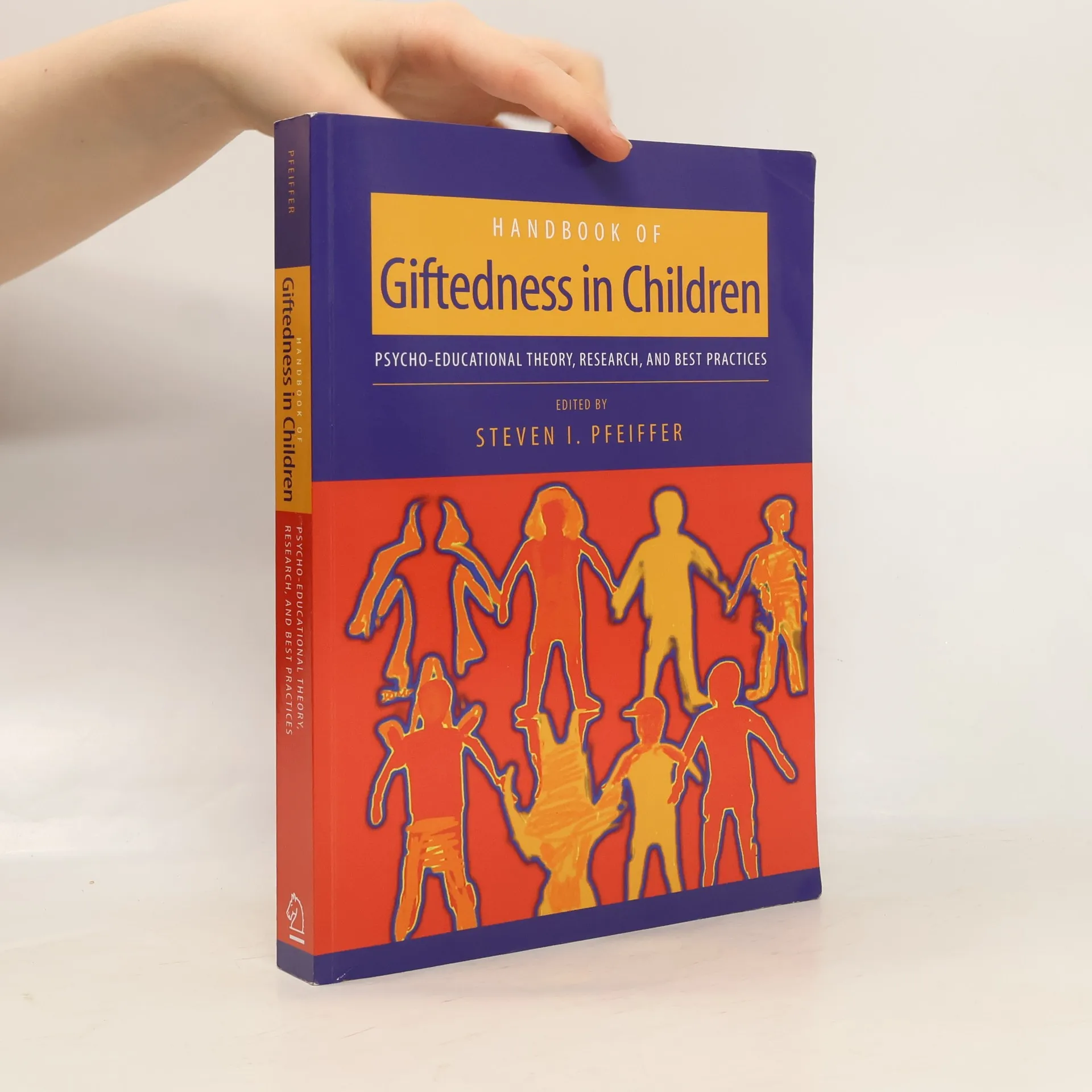
Handbook of Giftedness in Children, Steven I Pfeiffer
- Język

- Rok wydania
- 2009
- Oprawa
- (miękka)
Metody płatności
Brakuje nam tutaj Twojej recenzji.
- Tytuł
- Handbook of Giftedness in Children
- Podtytuł
- Psychoeducational Theory, Research, and Best Practices
- Język
- angielski
- Autorzy
- Steven I Pfeiffer
- Wydawca
- Springer New York
- Rok wydania
- 2009
- Oprawa
- miękka
- Liczba stron
- 420
- ISBN10
- 1441945016
- ISBN13
- 9781441945013
- Seria
- Tagi
- Tematyka psychologiczna, Poradniki, USA, Edukacja & Szkolnictwo, Literatura fachowa, Rozwój, Psychologia edukacyjna, Psychologia rozwojowa, Psychologia kliniczna
- Ocena
- 3 z 5
- Opis
- Most leaders in American society recognize gifted children as valuable resources. Following the Soviet Union's Sputnik launch in the 1960s, the U.S. prioritized identifying and nurturing intellectually gifted youth. However, within a decade, this group became an overlooked special-needs population due to various socio-cultural, political, and economic factors. American psychology has also largely neglected the unmet needs of these promising individuals, who represent approximately 5% to 20% of school-age children, depending on definitions and diagnostic criteria. This gifted population is significant, both in numbers and potential impact on the nation's future. A survey of international experts published in Professional Psychology: Research & Practice highlighted crucial areas where professional psychology can effectively serve the gifted. Key implications include leading the screening and identification of gifted children, consulting on talent development in schools, and providing counseling services for gifted individuals and their families. The proposed volume aims to equip psychologists, graduate students, and allied professionals with a definitive resource for addressing these practice implications. It will serve as a scholarly guide for practitioners in psychology and related fields, including school psychology, clinical child psychology, and social work. Each chapter will present relevant theory and empirical research,