

Więcej o książce
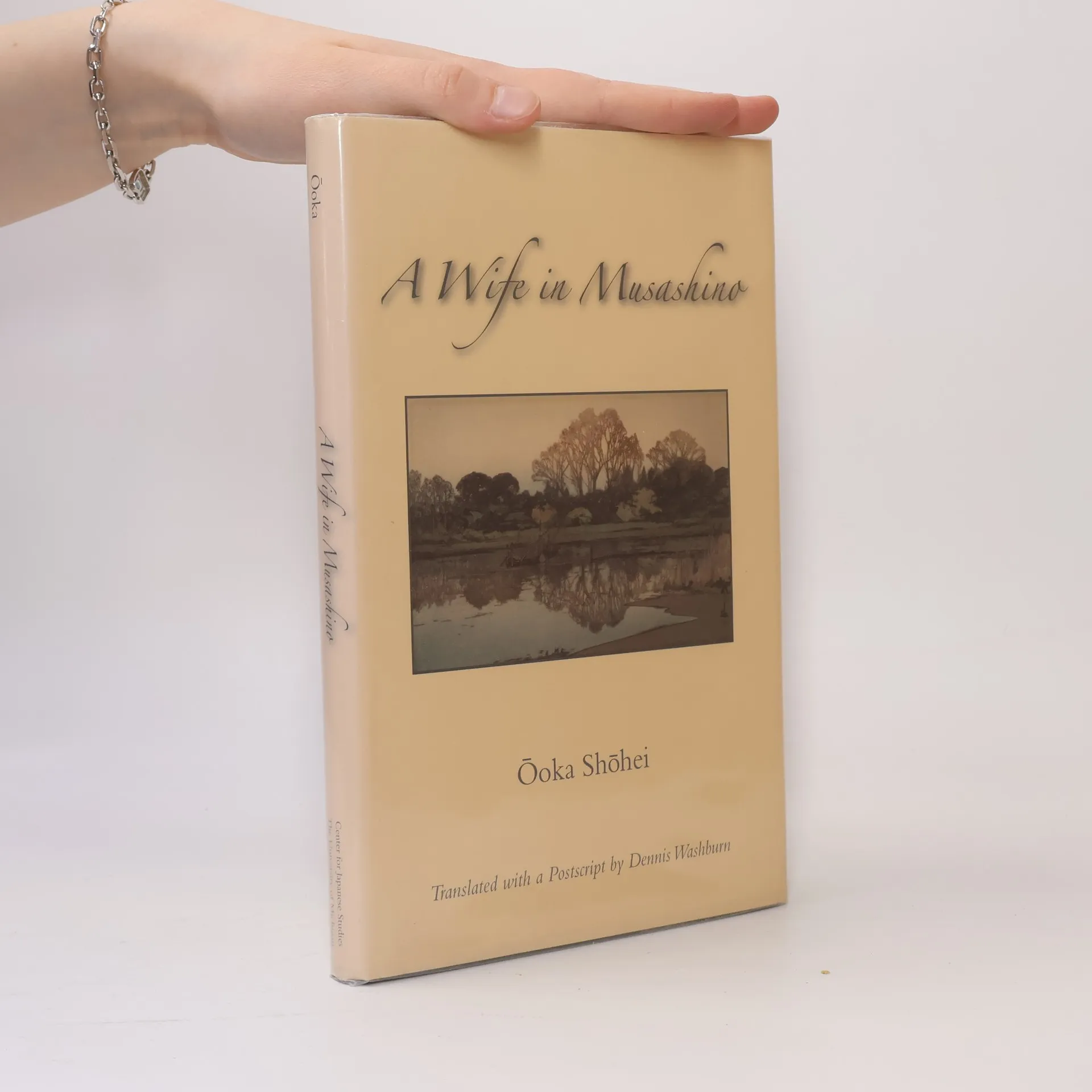
A Wife in Musashino, published in Japanese in 1950, was a major critical and commercial success, and was quickly adapted to the screen by the director Mizoguchi Kenji in 1951. Composed simultaneously with portions of Ooka's great war novel, Fires on the Plain, A Wife in Musashino recounts the story of the ill-fated love between a young demobilized soldier, Tsutomu, and his married cousin, Michiko. The impact on Ooka of French writers such as Stendhal and Radiguet is apparent not only in his finely detailed observations of human emotions, but also in his trenchant critique of social customs and conventions. The novel's depiction of the motivations and circumstances of its characters and its subtle portrait of class conflict and family tensions bring the tumultuous Japanese postwar period to life, revealing with rich insight the impact of the war on Japanese society and on individual lives.
Zakup książki
Michigan Monograph Series in Japanese Studies - 51: A Wife in Musashino, Shōhei Ōoka, Dennis Washburn
- Język

- Rok wydania
- 2004
- Oprawa
- (twarda)
Metody płatności
Brakuje nam tutaj Twojej recenzji.
- Tytuł
- Michigan Monograph Series in Japanese Studies - 51: A Wife in Musashino
- Język
- angielski
- Autorzy
- Shōhei Ōoka, Dennis Washburn
- Rok wydania
- 2004
- Oprawa
- twarda
- Liczba stron
- 161
- ISBN10
- 1929280289
- ISBN13
- 9781929280285
- Seria
- Kategorie
- Ocena
- 3,2 z 5
- Opis
- A Wife in Musashino, published in Japanese in 1950, was a major critical and commercial success, and was quickly adapted to the screen by the director Mizoguchi Kenji in 1951. Composed simultaneously with portions of Ooka's great war novel, Fires on the Plain, A Wife in Musashino recounts the story of the ill-fated love between a young demobilized soldier, Tsutomu, and his married cousin, Michiko. The impact on Ooka of French writers such as Stendhal and Radiguet is apparent not only in his finely detailed observations of human emotions, but also in his trenchant critique of social customs and conventions. The novel's depiction of the motivations and circumstances of its characters and its subtle portrait of class conflict and family tensions bring the tumultuous Japanese postwar period to life, revealing with rich insight the impact of the war on Japanese society and on individual lives.