

Więcej o książce
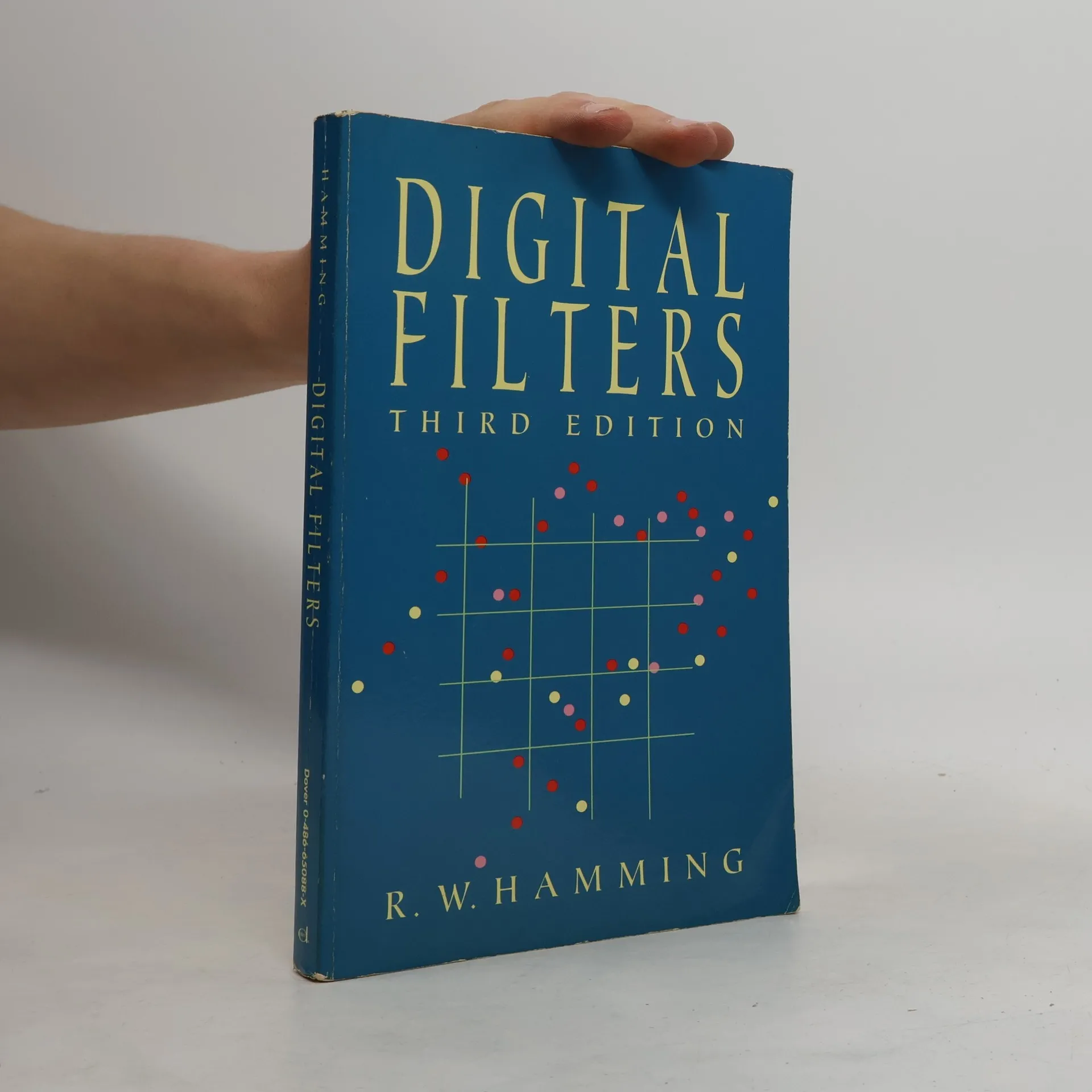
Digital signals occur in an increasing number of in telephone communications; in radio, television, and stereo sound systems; and in spacecraft transmissions, to name just a few. This introductory text examines digital filtering, the processes of smoothing, predicting, differentiating, integrating, and separating signals, as well as the removal of noise from a signal. The processes bear particular relevance to computer applications, one of the focuses of this book.Readers will find Hamming's analysis accessible and engaging, in recognition of the fact that many people with the strongest need for an understanding of digital filtering do not have a strong background in mathematics or electrical engineering. Thus, this book assumes only a knowledge of calculus and a smattering of statistics (reviewed in the text). Adopting the simplest, most direct mathematical tools, the author concentrates on linear signal processing; the main exceptions are the examination of round-off effects and a brief mention of Kalman filters.This updated edition includes more material on the z-transform as well as additional examples and exercises for further reinforcement of each chapter's content. The result is an accessible, highly useful resource for the broad range of people working in the field of digital signal processing.
Zakup książki
Digital Filters, Richard W. Hamming
- Język

- Rok wydania
- 1997
- Oprawa
- (miękka)
Metody płatności
Brakuje nam tutaj Twojej recenzji.
- Tytuł
- Digital Filters
- Podtytuł
- Third Edition
- Język
- angielski
- Autorzy
- Richard W. Hamming
- Wydawca
- Dover Publications Inc.
- Rok wydania
- 1997
- Oprawa
- miękka
- Liczba stron
- 284
- ISBN10
- 048665088X
- ISBN13
- 9780486650883
- Seria
- Tagi
- Poradniki, Nauka, Technologia, Inżynieria, Elektronika
- Ocena
- 3,6 z 5
- Opis
- Digital signals occur in an increasing number of in telephone communications; in radio, television, and stereo sound systems; and in spacecraft transmissions, to name just a few. This introductory text examines digital filtering, the processes of smoothing, predicting, differentiating, integrating, and separating signals, as well as the removal of noise from a signal. The processes bear particular relevance to computer applications, one of the focuses of this book.Readers will find Hamming's analysis accessible and engaging, in recognition of the fact that many people with the strongest need for an understanding of digital filtering do not have a strong background in mathematics or electrical engineering. Thus, this book assumes only a knowledge of calculus and a smattering of statistics (reviewed in the text). Adopting the simplest, most direct mathematical tools, the author concentrates on linear signal processing; the main exceptions are the examination of round-off effects and a brief mention of Kalman filters.This updated edition includes more material on the z-transform as well as additional examples and exercises for further reinforcement of each chapter's content. The result is an accessible, highly useful resource for the broad range of people working in the field of digital signal processing.