

Więcej o książce
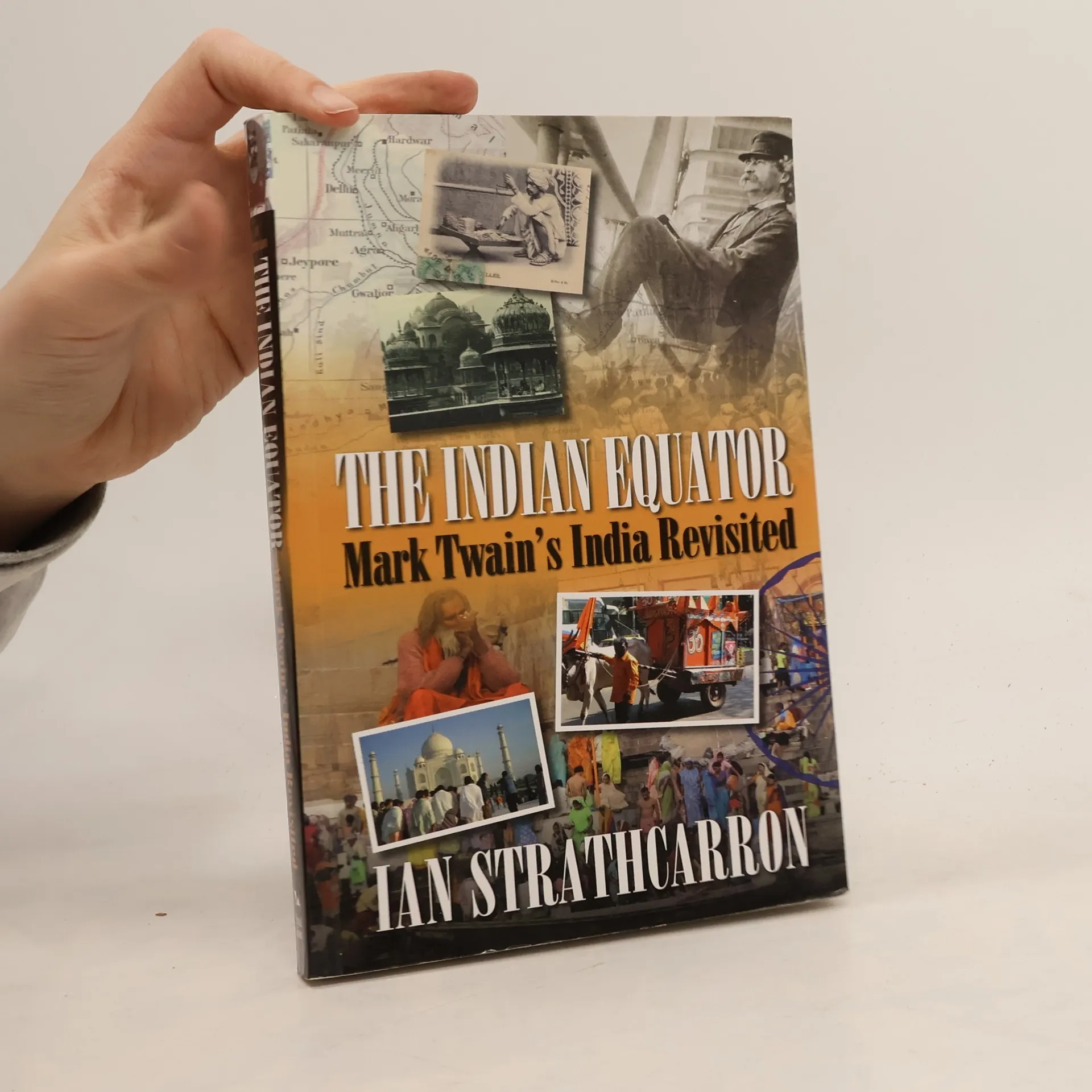
In 1895/6, the sixty-year-old Mark Twain embarked on a worldwide lecture tour to settle debts from a publishing bankruptcy, which later inspired his final travel book, Following the Equator. Despite his complaints about the journey, he found his time in India—though just over two months—remarkable, accounting for forty percent of the book and widely regarded as its most engaging section. In The Indian Equator, travel trilogist Ian Strathcarron, along with his wife Gillian and their photographer Sita, retraces Twain's path through India. They depart from the historical Bombay and the modern Mumbai, following the old lecture circuit across northern India and into what is now Pakistan, visiting cities like Baroda, Jaipur, Delhi, Agra, Lucknow, Varanasi, Kolkata, Darjeeling, Lahore, and Rawalpindi. By staying in the same Raj clubs, traveling the same train routes, and interacting with both the elite and the impoverished, Strathcarron captures an India that remains vibrant yet traditional. This society is characterized by a clash between the rapidly modernizing and the deeply rooted past. Twain's affection for India in 1896 resonates with Strathcarron, reflecting a love for a country that continues to evolve while holding onto its rich heritage.
Zakup książki
The Indian Equator, Ian MacPherson Strathcarron
- Język

- Rok wydania
- 2013
- Oprawa
- (miękka)
Metody płatności
Brakuje nam tutaj Twojej recenzji.
- Tytuł
- The Indian Equator
- Podtytuł
- Mark Twain's India Revisited
- Język
- angielski
- Autorzy
- Ian MacPherson Strathcarron
- Wydawca
- Signal Books Ltd
- Rok wydania
- 2013
- Oprawa
- miękka
- Liczba stron
- 256
- ISBN10
- 1908493755
- ISBN13
- 9781908493750
- Seria
- Kategorie
- Tagi
- Tematy historyczne, Podróże, Azja, Indie
- Ocena
- 4 z 5
- Opis
- In 1895/6, the sixty-year-old Mark Twain embarked on a worldwide lecture tour to settle debts from a publishing bankruptcy, which later inspired his final travel book, Following the Equator. Despite his complaints about the journey, he found his time in India—though just over two months—remarkable, accounting for forty percent of the book and widely regarded as its most engaging section. In The Indian Equator, travel trilogist Ian Strathcarron, along with his wife Gillian and their photographer Sita, retraces Twain's path through India. They depart from the historical Bombay and the modern Mumbai, following the old lecture circuit across northern India and into what is now Pakistan, visiting cities like Baroda, Jaipur, Delhi, Agra, Lucknow, Varanasi, Kolkata, Darjeeling, Lahore, and Rawalpindi. By staying in the same Raj clubs, traveling the same train routes, and interacting with both the elite and the impoverished, Strathcarron captures an India that remains vibrant yet traditional. This society is characterized by a clash between the rapidly modernizing and the deeply rooted past. Twain's affection for India in 1896 resonates with Strathcarron, reflecting a love for a country that continues to evolve while holding onto its rich heritage.