



Więcej o książce
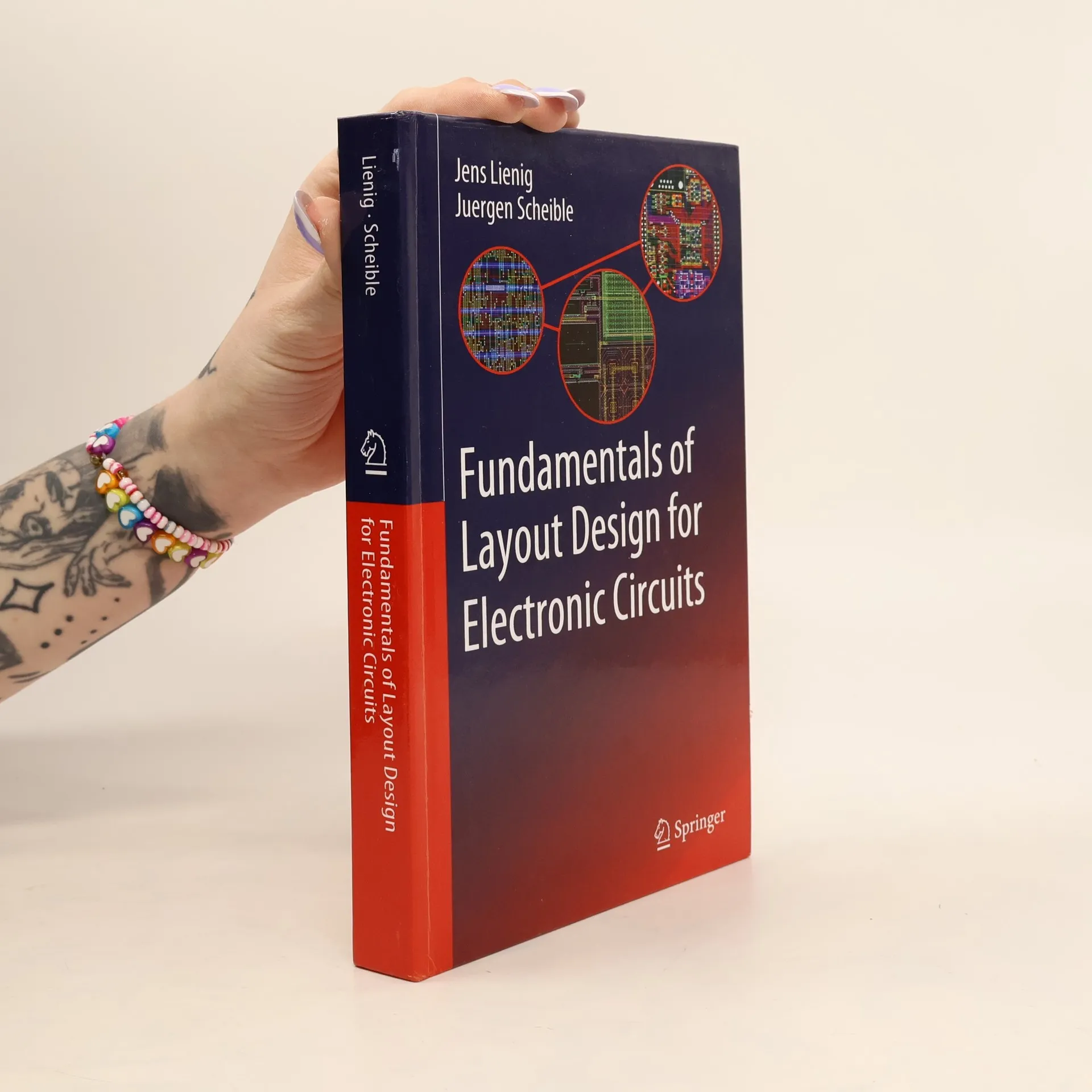
This book covers the fundamental knowledge of layout design from the ground up, addressing both physical design, as generally applied to digital circuits, and analog layout. Such knowledge provides the critical awareness and insights a layout designer must possess to convert a structural description produced during circuit design into the physical layout used for IC/PCB fabrication. The book introduces the technological know-how to transform silicon into functional devices, to understand the technology for which a layout is targeted (Chap. 2). Using this core technology knowledge as the foundation, subsequent chapters delve deeper into specific constraints and aspects of physical design, such as interfaces, design rules and libraries (Chap. 3), design flows and models (Chap. 4), design steps (Chap. 5), analog design specifics (Chap. 6), and finally reliability measures (Chap. 7). Besides serving as a textbook for engineering students, this book is a foundational reference for today’s circuit designers.For Slides and Other
Zakup książki
Fundamentals of Layout Design for Electronic Circuits, Jens Lienig, Juergen Scheible
- Język

- Rok wydania
- 2020
- Oprawa
- (twarda)
Metody płatności
Nikt jeszcze nie ocenił.
- Tytuł
- Fundamentals of Layout Design for Electronic Circuits
- Język
- angielski
- Autorzy
- Jens Lienig, Juergen Scheible
- Wydawca
- Springer
- Rok wydania
- 2020
- Oprawa
- twarda
- Liczba stron
- 324
- ISBN10
- 303039283X
- ISBN13
- 9783030392833
- Seria
- Tagi
- Technologia, Szwajcaria, Elektronika
- Opis
- This book covers the fundamental knowledge of layout design from the ground up, addressing both physical design, as generally applied to digital circuits, and analog layout. Such knowledge provides the critical awareness and insights a layout designer must possess to convert a structural description produced during circuit design into the physical layout used for IC/PCB fabrication. The book introduces the technological know-how to transform silicon into functional devices, to understand the technology for which a layout is targeted (Chap. 2). Using this core technology knowledge as the foundation, subsequent chapters delve deeper into specific constraints and aspects of physical design, such as interfaces, design rules and libraries (Chap. 3), design flows and models (Chap. 4), design steps (Chap. 5), analog design specifics (Chap. 6), and finally reliability measures (Chap. 7). Besides serving as a textbook for engineering students, this book is a foundational reference for today’s circuit designers.For Slides and Other