

Parametry
- 220 stron
- 8 godzin czytania
Więcej o książce
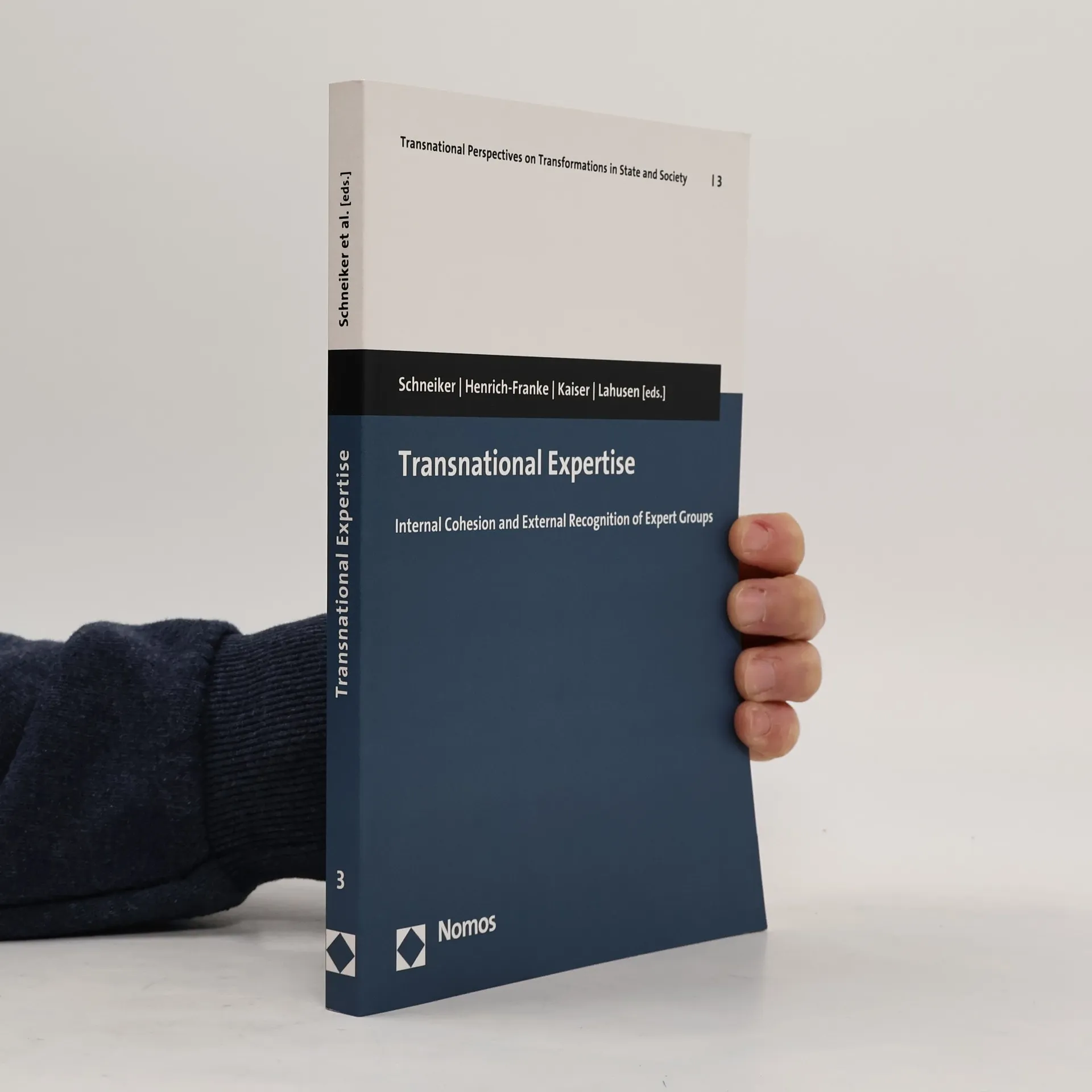
This edited volume is devoted to analysing transnational expertise, a topic that has received considerable attention in the social sciences and history, especially in research on transnational professional networks and associations, epistemic communities and groups of practitioners. Yet more knowledge about transnational expertise is needed, given the growing importance of expertise in an ever more complex world in which interdependencies between different types of actors and organisations are increasing and in which these actors often have to cooperate to address transnational issues. While studies regarding the above-mentioned concepts have generally involved empirical cases of expertise in the context of transnational governance since the end of the Cold War, transnational expertise actually played an important role long before 1990. Therefore, this volume adopts an interdisciplinary approach that includes perspectives from history, sociology and political science. With contributions by Ingvild Bode, Christian Henrich-Franke, Robert Kaiser, Christian Lahusen, Alexander Reinfeld, Lukas Schemper, Andrea Schneiker and Carola Maria Westermeier.
Zakup książki
Transnational Perspectives on Transformations in State and Society - 3: Transnational Expertise, Andrea Schneiker, Christian Henrich Franke, Robert Kaiser, Christian Lahusen
- Język

- Rok wydania
- 2018
- Oprawa
- (miękka)
Metody płatności
Nikt jeszcze nie ocenił.
- Tytuł
- Transnational Perspectives on Transformations in State and Society - 3: Transnational Expertise
- Język
- angielski
- Wydawca
- Nomos
- Rok wydania
- 2018
- Oprawa
- miękka
- Liczba stron
- 220
- ISBN10
- 3848749149
- ISBN13
- 9783848749140
- Seria
- Kategorie
- Tagi
- Podręczniki, Podręczniki akademickie, Polityka, Niemcy, Teorie polityczne, Prawo cywilne, Administracja publiczna
- Opis
- This edited volume is devoted to analysing transnational expertise, a topic that has received considerable attention in the social sciences and history, especially in research on transnational professional networks and associations, epistemic communities and groups of practitioners. Yet more knowledge about transnational expertise is needed, given the growing importance of expertise in an ever more complex world in which interdependencies between different types of actors and organisations are increasing and in which these actors often have to cooperate to address transnational issues. While studies regarding the above-mentioned concepts have generally involved empirical cases of expertise in the context of transnational governance since the end of the Cold War, transnational expertise actually played an important role long before 1990. Therefore, this volume adopts an interdisciplinary approach that includes perspectives from history, sociology and political science. With contributions by Ingvild Bode, Christian Henrich-Franke, Robert Kaiser, Christian Lahusen, Alexander Reinfeld, Lukas Schemper, Andrea Schneiker and Carola Maria Westermeier.