

Więcej o książce
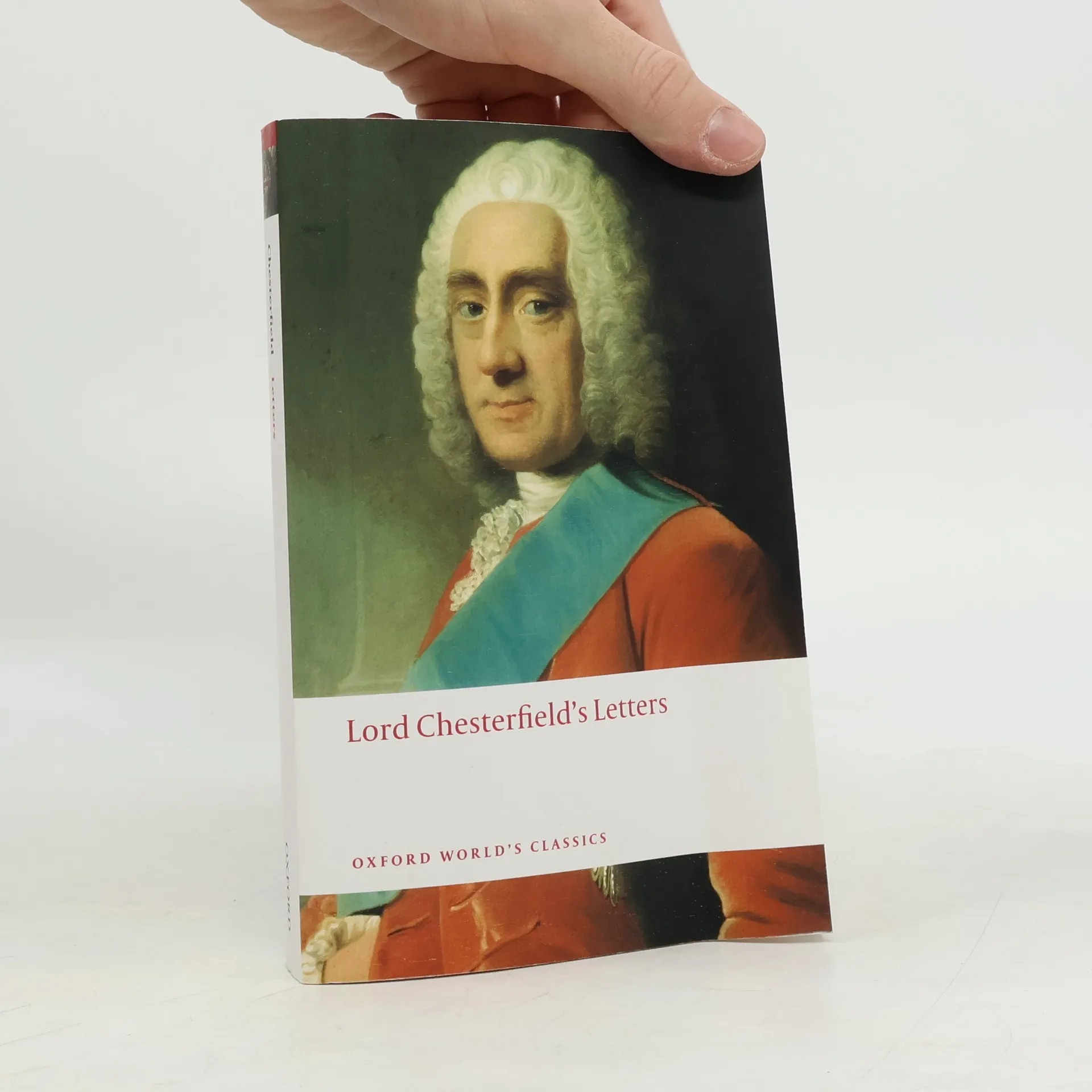
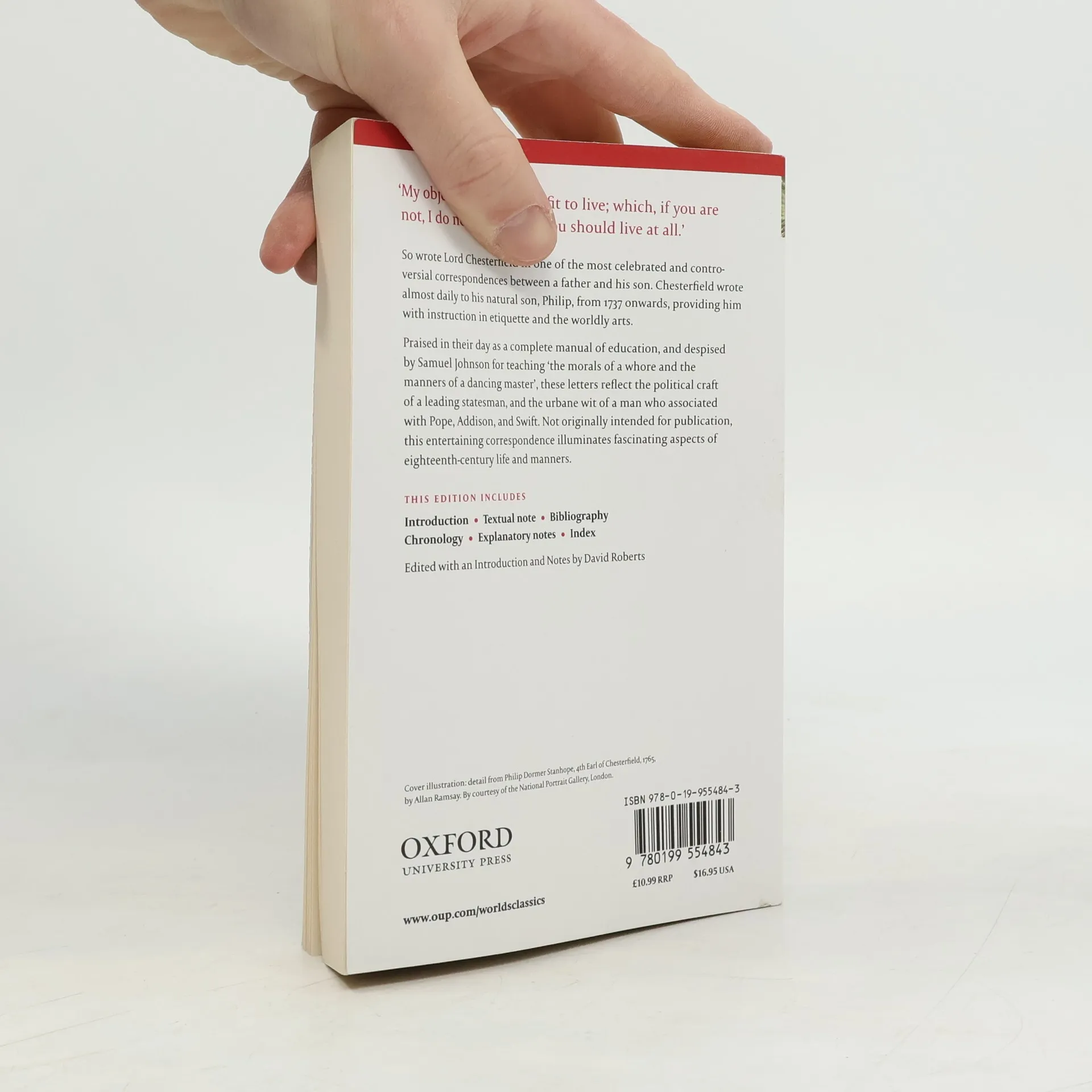
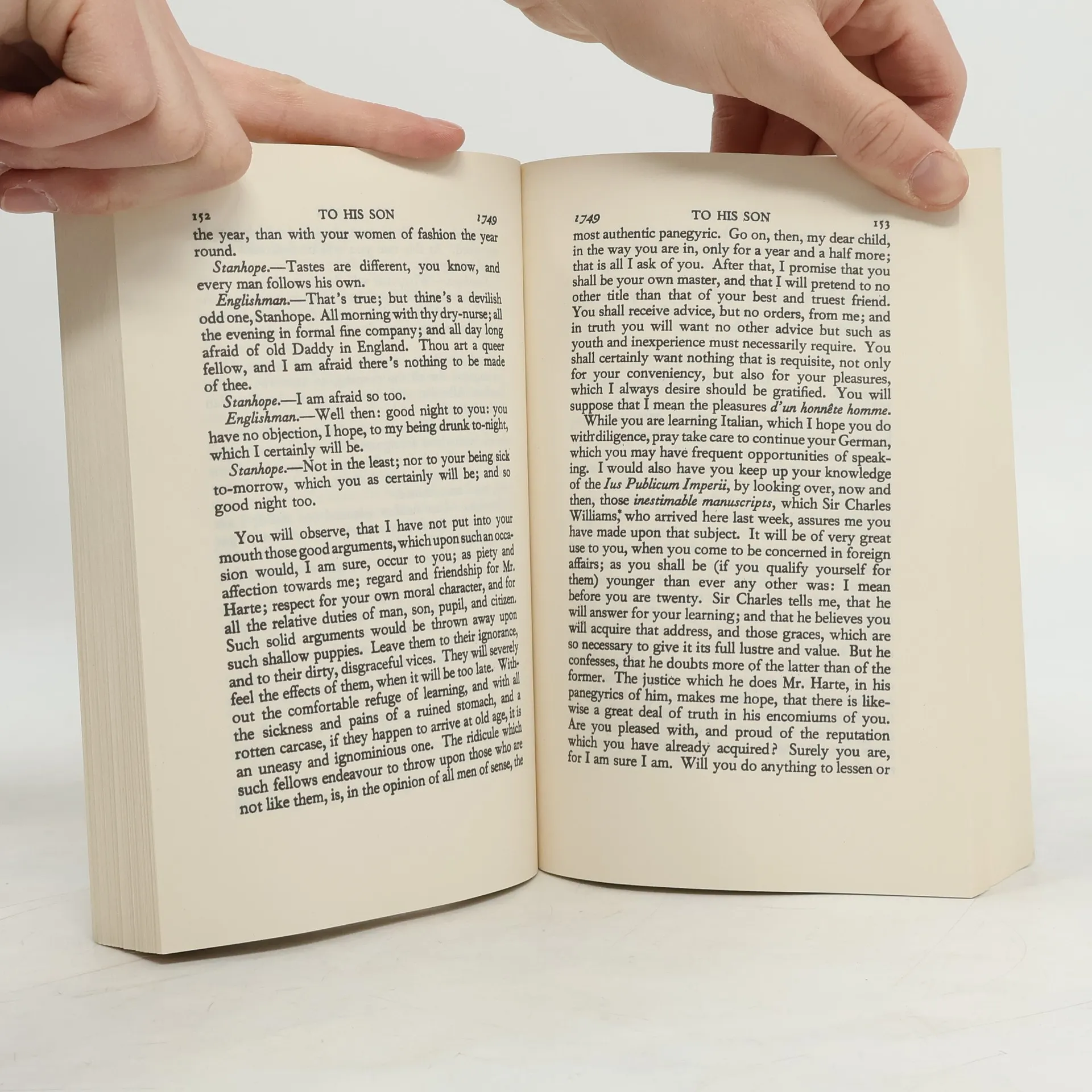
`My object is to have you fit to live; which, if you are not, I do not desire that you should live at all.' So wrote Lord Chesterfield in one of the most celebrated and controversial correspondences between a father and son. Chesterfield wrote almost daily to his natural son, Philip, from 1737 onwards, providing him with instruction in etiquette and the worldly arts. Praised in their day as a complete manual of education, and despised by Samuel Johnson for teaching `the morals of a whore and the manners of a dancing-master', these letters reflect the political craft of a leading statesman and the urbane wit of a man who associated with Pope, Addison, and Swift. The letters reveal Chesterfield's political cynicism and his belief that his country had `always been goverened by the only two or three people, out of two or three millions, totally incapable of governing', as well as his views on good breeding. Not originally intended for publication, this entertaining correspondence illuminates fascinating aspects of eighteenth-century life and manners.
Zakup książki
Oxford World's Classics: Lord Chesterfield's Letters, Philip Dormer Stanhope of Chesterfield, David Roberts, Benjamin Franklin
- Język

- Rok wydania
- 2008
- Oprawa
- (miękka)
Metody płatności
Brakuje nam tutaj Twojej recenzji.
- Tytuł
- Oxford World's Classics: Lord Chesterfield's Letters
- Język
- angielski
- Wydawca
- Oxford University Press
- Rok wydania
- 2008
- Oprawa
- miękka
- Liczba stron
- 480
- ISBN10
- 0199554846
- ISBN13
- 9780199554843
- Seria
- Ocena
- 4,15 z 5
- Opis
- `My object is to have you fit to live; which, if you are not, I do not desire that you should live at all.' So wrote Lord Chesterfield in one of the most celebrated and controversial correspondences between a father and son. Chesterfield wrote almost daily to his natural son, Philip, from 1737 onwards, providing him with instruction in etiquette and the worldly arts. Praised in their day as a complete manual of education, and despised by Samuel Johnson for teaching `the morals of a whore and the manners of a dancing-master', these letters reflect the political craft of a leading statesman and the urbane wit of a man who associated with Pope, Addison, and Swift. The letters reveal Chesterfield's political cynicism and his belief that his country had `always been goverened by the only two or three people, out of two or three millions, totally incapable of governing', as well as his views on good breeding. Not originally intended for publication, this entertaining correspondence illuminates fascinating aspects of eighteenth-century life and manners.