


Więcej o książce
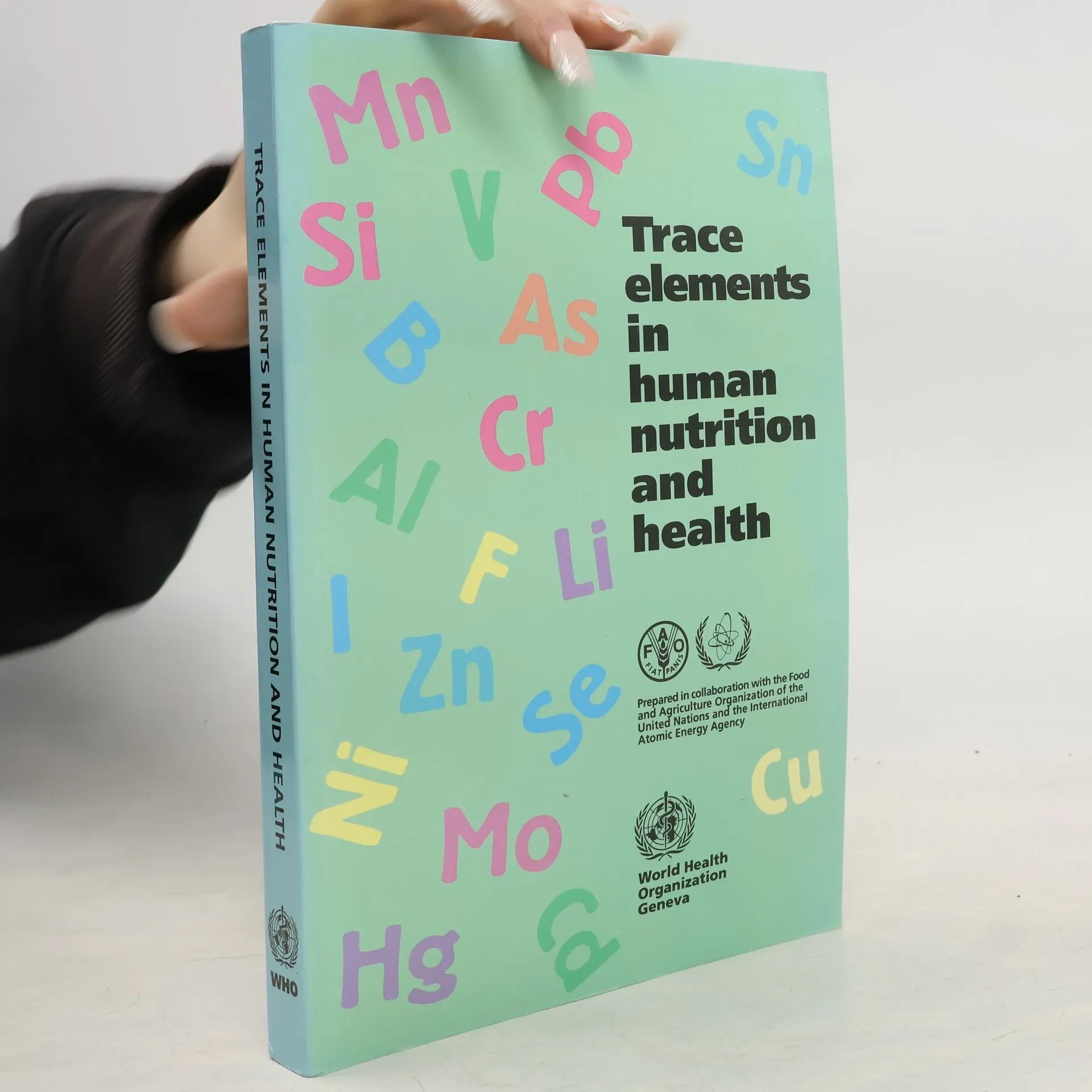
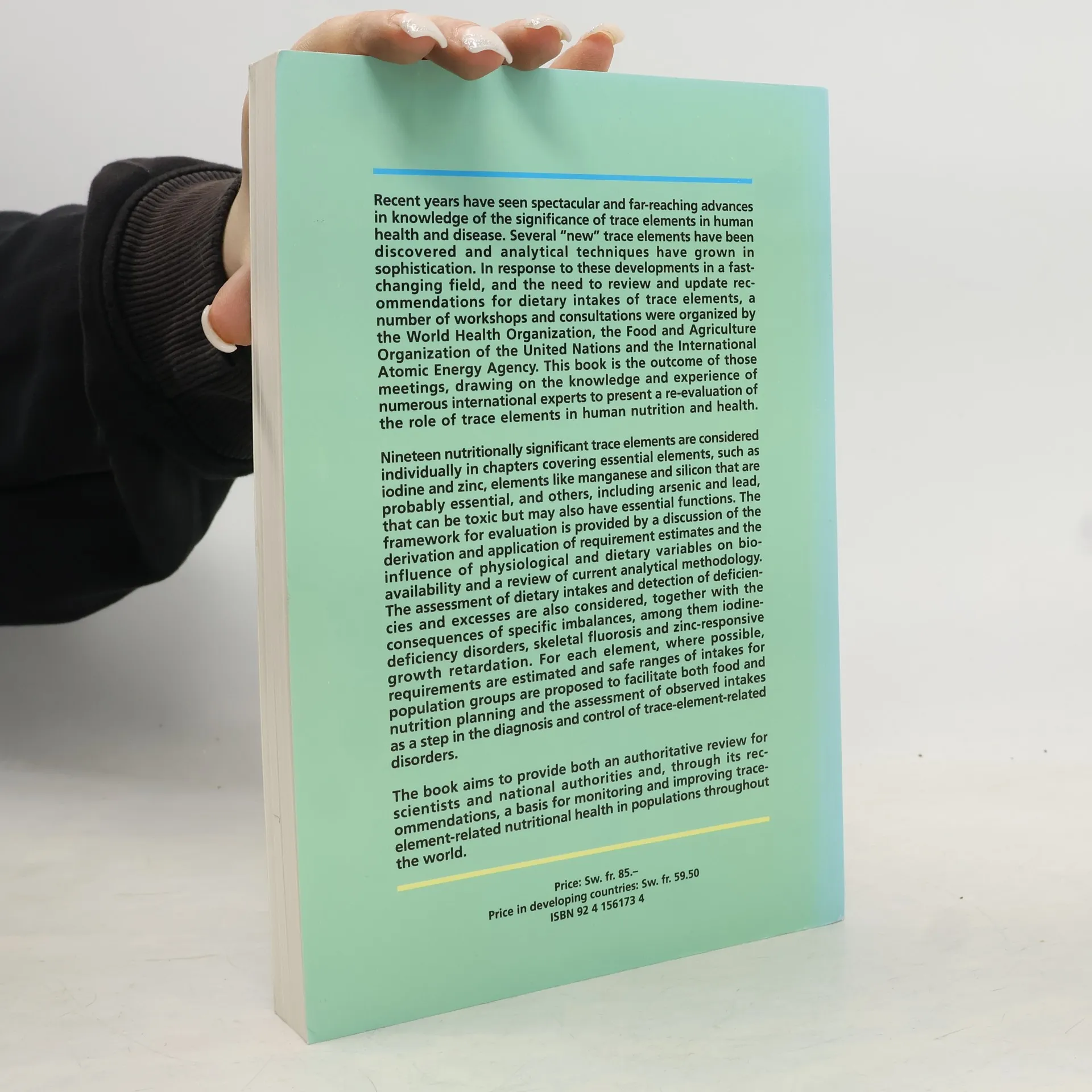
Issues authoritative recommendations concerning nutritional requirements and safe ranges of intake for nineteen trace elements important to human health. Representing the consensus reached by a large number of international experts, the book aims to give scientists and those responsible for nutrition planning a solid basis for assessing dietary intakes of trace elements, detecting deficiencies and excesses, and recognizing the clinical features of related disorders. Throughout, guidelines and advice respond to greatly expanded knowledge about the significant impact that even subtle differences in trace elements can have on health and disease. The core of the report, which has three parts, provides authoritative recommendations on the nutritional significance, requirements for health, and safe range of daily intakes for nineteen trace elements in three categories. These include essential elements, such as iodine and zinc, probably essential elements, such as manganese and silicon, and potentially toxic elements, such as fluoride, lead, cadmium and mercury, which may also have some essential functions at low levels.
Zakup książki
Trace Elements in Human Nutrition and Health, IAEA, Food and Agriculture Organization of the United Nations, World Health Organization
- Język

- Rok wydania
- 1996
- Oprawa
- (miękka),
- Stan książki
- Bardzo dobry
- Cena
- 19,47 zł
Metody płatności
Nikt jeszcze nie ocenił.
- Tytuł
- Trace Elements in Human Nutrition and Health
- Język
- angielski
- Wydawca
- World Health Organization
- Rok wydania
- 1996
- Oprawa
- miękka
- Liczba stron
- 343
- ISBN10
- 9241561734
- ISBN13
- 9789241561730
- Seria
- Kategorie
- Opis
- Issues authoritative recommendations concerning nutritional requirements and safe ranges of intake for nineteen trace elements important to human health. Representing the consensus reached by a large number of international experts, the book aims to give scientists and those responsible for nutrition planning a solid basis for assessing dietary intakes of trace elements, detecting deficiencies and excesses, and recognizing the clinical features of related disorders. Throughout, guidelines and advice respond to greatly expanded knowledge about the significant impact that even subtle differences in trace elements can have on health and disease. The core of the report, which has three parts, provides authoritative recommendations on the nutritional significance, requirements for health, and safe range of daily intakes for nineteen trace elements in three categories. These include essential elements, such as iodine and zinc, probably essential elements, such as manganese and silicon, and potentially toxic elements, such as fluoride, lead, cadmium and mercury, which may also have some essential functions at low levels.