

Więcej o książce
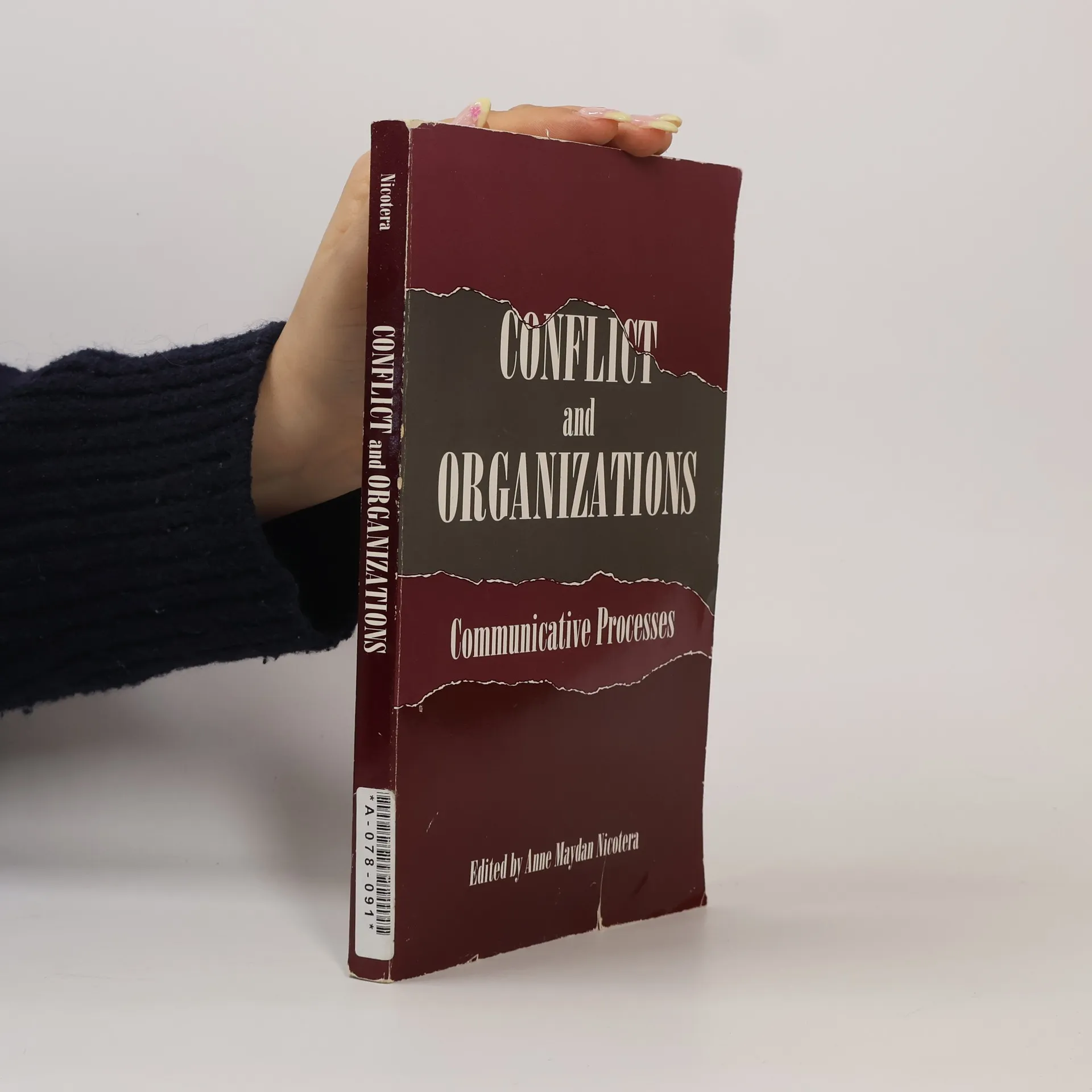
This collection provides a well-rounded view of organizational conflict in three broad categories: ways of thinking about organizational conflict, individual processes, and interaction processes. It enriches the positivistic literature on conflict and organizations with a focus on non-reductionistic views of conflict, individual and interactive processes of conflict, conflict management (as opposed to resolution), and the constructive nature of conflict--aiming at understanding rather than prescription. Recounting the history of the study of organizational conflict, the book presents alternative views to the traditional positivistic approach and the traditional assumption that conflict is destructive. Rather, conflict is seen as a naturally-occurring human phenomenon, which may manifest itself on different levels with negative or positive outcomes. The book also focuses on the individual, showing how predisposition or skills impact on conflict in the organization, and vice versa. It also examines conflict interaction processes and their reciprocal influence on individuals, the organization, and/or the environment.
Zakup książki
Suny Series, Human Communication Processes: Conflict and Organizations, Anne Maydan Nicotera
- Język

- Rok wydania
- 1995
- Oprawa
- (miękka)
Metody płatności
Nikt jeszcze nie ocenił.
- Tytuł
- Suny Series, Human Communication Processes: Conflict and Organizations
- Podtytuł
- Communicative Processes
- Język
- angielski
- Autorzy
- Anne Maydan Nicotera
- Rok wydania
- 1995
- Oprawa
- miękka
- Liczba stron
- 318
- ISBN10
- 0791426661
- ISBN13
- 9780791426661
- Seria
- Opis
- This collection provides a well-rounded view of organizational conflict in three broad categories: ways of thinking about organizational conflict, individual processes, and interaction processes. It enriches the positivistic literature on conflict and organizations with a focus on non-reductionistic views of conflict, individual and interactive processes of conflict, conflict management (as opposed to resolution), and the constructive nature of conflict--aiming at understanding rather than prescription. Recounting the history of the study of organizational conflict, the book presents alternative views to the traditional positivistic approach and the traditional assumption that conflict is destructive. Rather, conflict is seen as a naturally-occurring human phenomenon, which may manifest itself on different levels with negative or positive outcomes. The book also focuses on the individual, showing how predisposition or skills impact on conflict in the organization, and vice versa. It also examines conflict interaction processes and their reciprocal influence on individuals, the organization, and/or the environment.