

Ocena książki
Więcej o książce
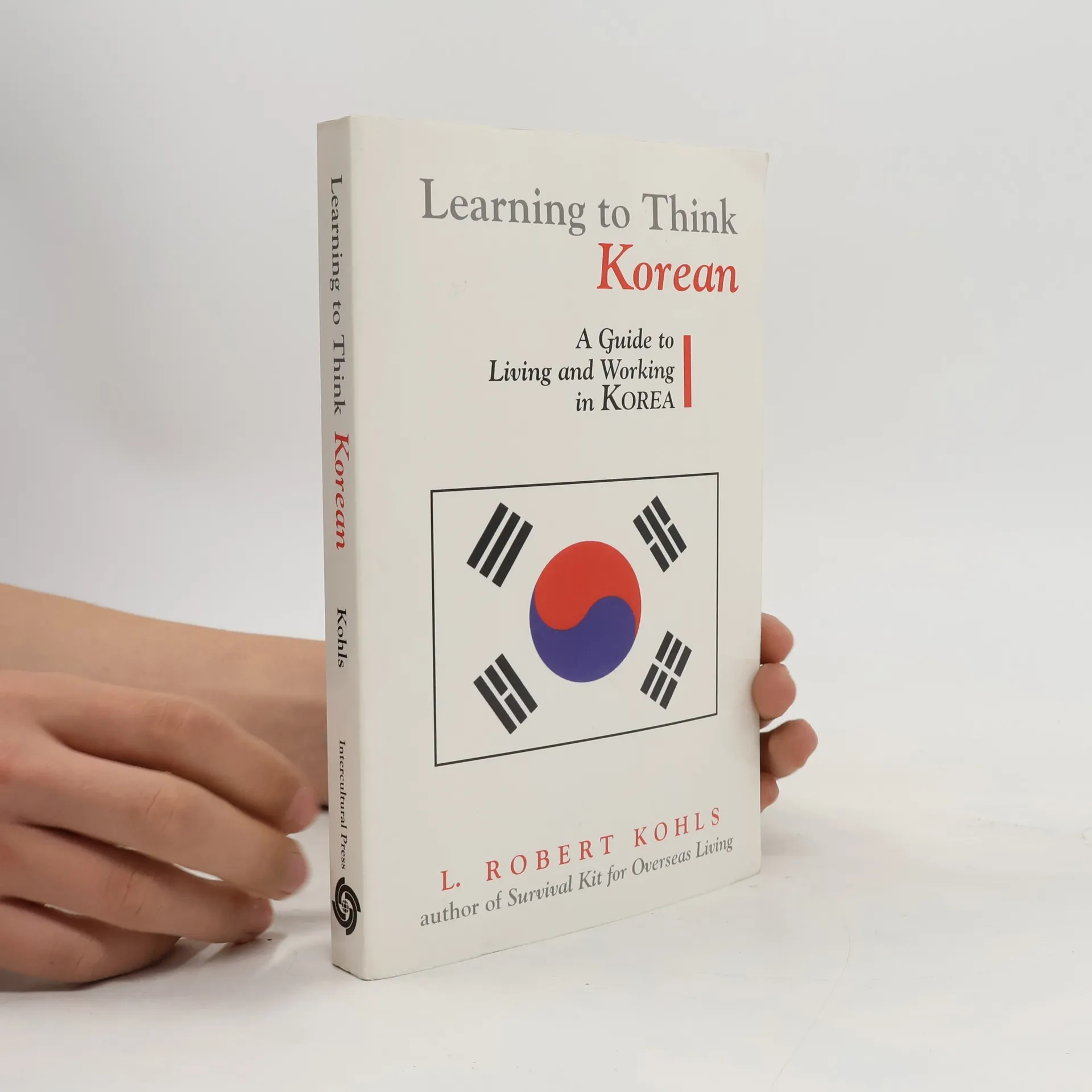
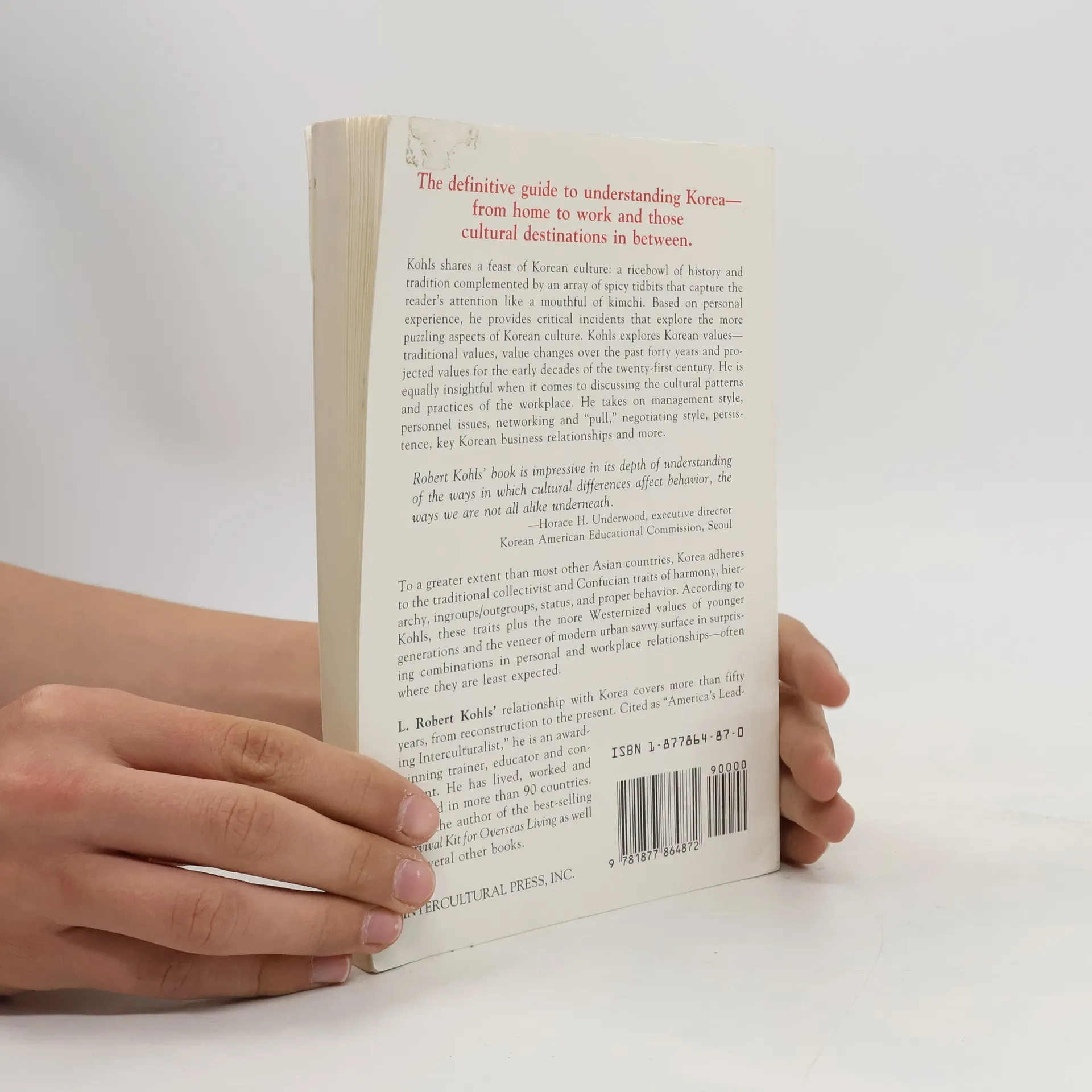
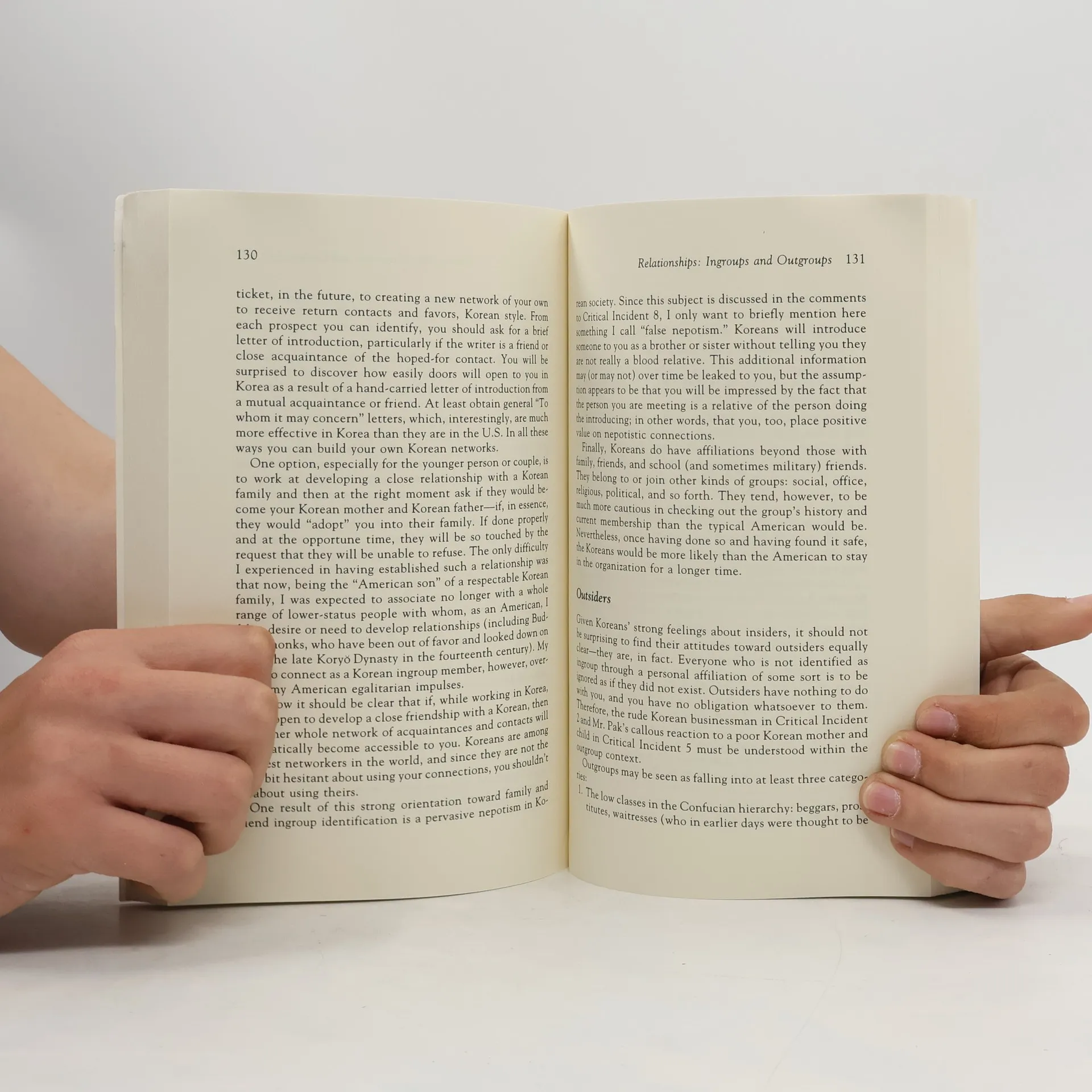
Kohls shares a feast of Korean culture: a ricebowl of history and tradition complimented by an array of spicy tidbits that capture the reader's attention like a mouthful of kimchi. Based on personal experience, he provides critical incidents that explore the more puzzling aspects of Korean culture. Kohls explores Korean values - traditional values, value changes over the past forty years and projected values for the early decades of the twenty-first century. He is equally insightful when it comes to discussing the cultural patterns and practices of the workplace. He takes on management style, personal issues, networking and "pull" negotiating style, persistence, key Korean business relations and more. To a greater extent than most other Asisan countries, Korea adheres to the traditional collectivist and Confucian traits of harmony, hierarchy, ingroups/outgroups, status, and proper behavior. According to Kohls, these traits plus the more Westernized values of the younger generations and the veneer of modern urban savvy surface in surprising combinations in personal and workplace relationships - often where they are least expected.
Zakup książki
The Interact Series: Learning to Think Korean, L. Robert Kohls
- Język

- Rok wydania
- 2001
- Oprawa
- (miękka)
Metody płatności
Brakuje nam tutaj Twojej recenzji.
- Tytuł
- The Interact Series: Learning to Think Korean
- Podtytuł
- A Guide to Living and Working in Korea
- Język
- angielski
- Autorzy
- L. Robert Kohls
- Wydawca
- Nicholas Brealey
- Rok wydania
- 2001
- Oprawa
- miękka
- Liczba stron
- 228
- ISBN10
- 1877864870
- ISBN13
- 9781877864872
- Seria
- Kategorie
- Ocena
- 3,9 z 5
- Opis
- Kohls shares a feast of Korean culture: a ricebowl of history and tradition complimented by an array of spicy tidbits that capture the reader's attention like a mouthful of kimchi. Based on personal experience, he provides critical incidents that explore the more puzzling aspects of Korean culture. Kohls explores Korean values - traditional values, value changes over the past forty years and projected values for the early decades of the twenty-first century. He is equally insightful when it comes to discussing the cultural patterns and practices of the workplace. He takes on management style, personal issues, networking and "pull" negotiating style, persistence, key Korean business relations and more. To a greater extent than most other Asisan countries, Korea adheres to the traditional collectivist and Confucian traits of harmony, hierarchy, ingroups/outgroups, status, and proper behavior. According to Kohls, these traits plus the more Westernized values of the younger generations and the veneer of modern urban savvy surface in surprising combinations in personal and workplace relationships - often where they are least expected.