

Więcej o książce
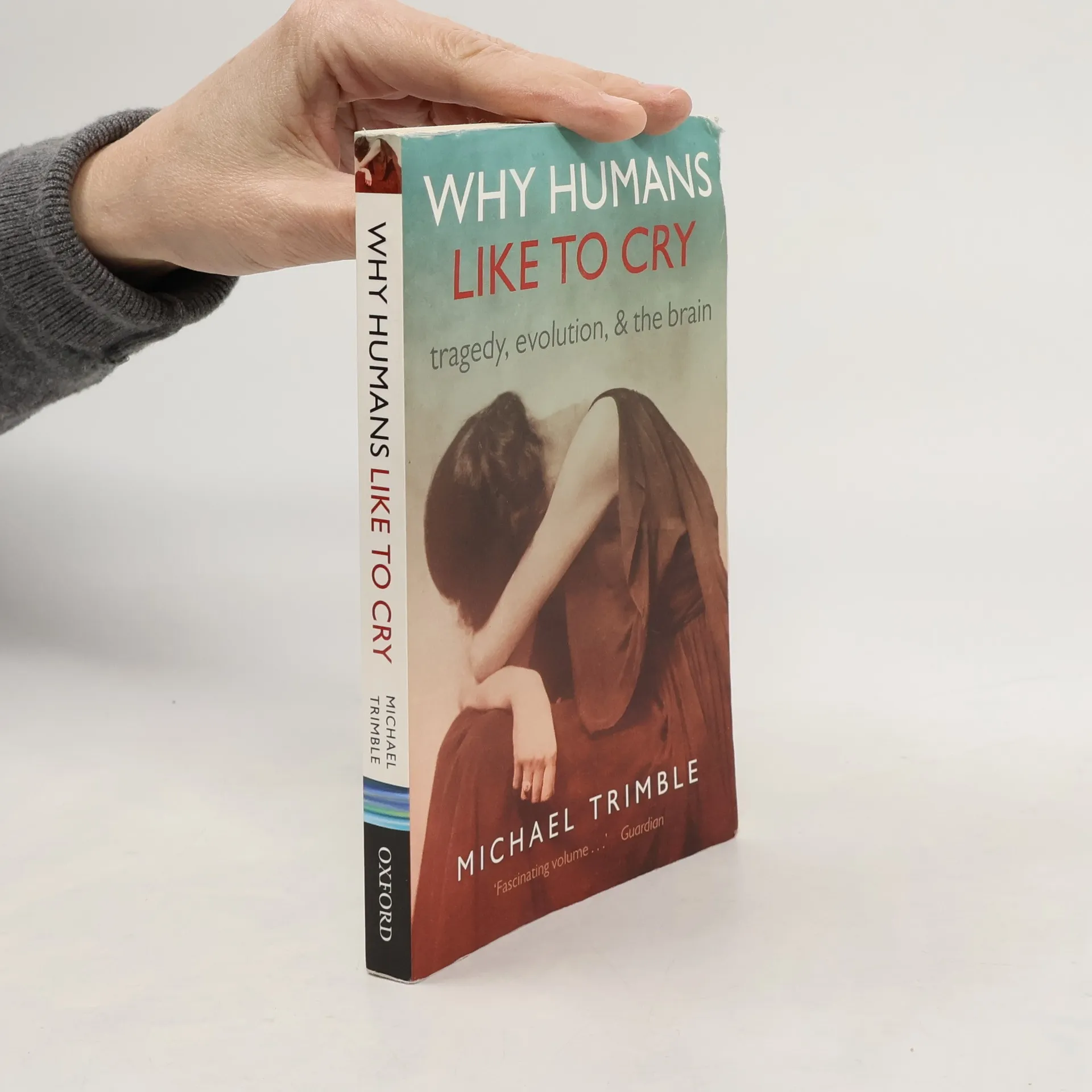
Human beings are the only species to have evolved the trait of emotional crying. We weep at tragedies in our lives and in those of others - remarkably even when they are fictional characters in film, opera, music, novels, and theatre. Why have we developed art forms - most powerfully, music - which move us to sadness and tears? This question forms the backdrop to Michael Trimble's discussion of emotional crying, its physiology, and its evolutionary implications. His exploration examines the connections with other distinctively human features: the development of language, self-consciousness, religious practices, and empathy. Neuroanatomy and neurophysiology of the brain have uncovered unique human characteristics; mirror neurones, for example, explain why we unconsciously imitate actions and behaviour. Whereas Nietzsche argued that artistic tragedy was born with the ancient Greeks, Trimble places its origins far earlier. His neurophysiological and evolutionary insights shed fascinating light onto this enigmatic part of our humanity.
Zakup książki
Why Humans Like to Cry, Michael R. Trimble
- Język

- Rok wydania
- 2014
- Oprawa
- (miękka)
Metody płatności
Brakuje nam tutaj Twojej recenzji.
- Tytuł
- Why Humans Like to Cry
- Podtytuł
- Tragedy, Evolution, and the Brain
- Język
- angielski
- Autorzy
- Michael R. Trimble
- Wydawca
- Oxford University Press
- Rok wydania
- 2014
- Oprawa
- miękka
- Liczba stron
- 242
- ISBN10
- 0198713495
- ISBN13
- 9780198713494
- Seria
- Tagi
- Nauka
- Ocena
- 2,75 z 5
- Opis
- Human beings are the only species to have evolved the trait of emotional crying. We weep at tragedies in our lives and in those of others - remarkably even when they are fictional characters in film, opera, music, novels, and theatre. Why have we developed art forms - most powerfully, music - which move us to sadness and tears? This question forms the backdrop to Michael Trimble's discussion of emotional crying, its physiology, and its evolutionary implications. His exploration examines the connections with other distinctively human features: the development of language, self-consciousness, religious practices, and empathy. Neuroanatomy and neurophysiology of the brain have uncovered unique human characteristics; mirror neurones, for example, explain why we unconsciously imitate actions and behaviour. Whereas Nietzsche argued that artistic tragedy was born with the ancient Greeks, Trimble places its origins far earlier. His neurophysiological and evolutionary insights shed fascinating light onto this enigmatic part of our humanity.