


Więcej o książce
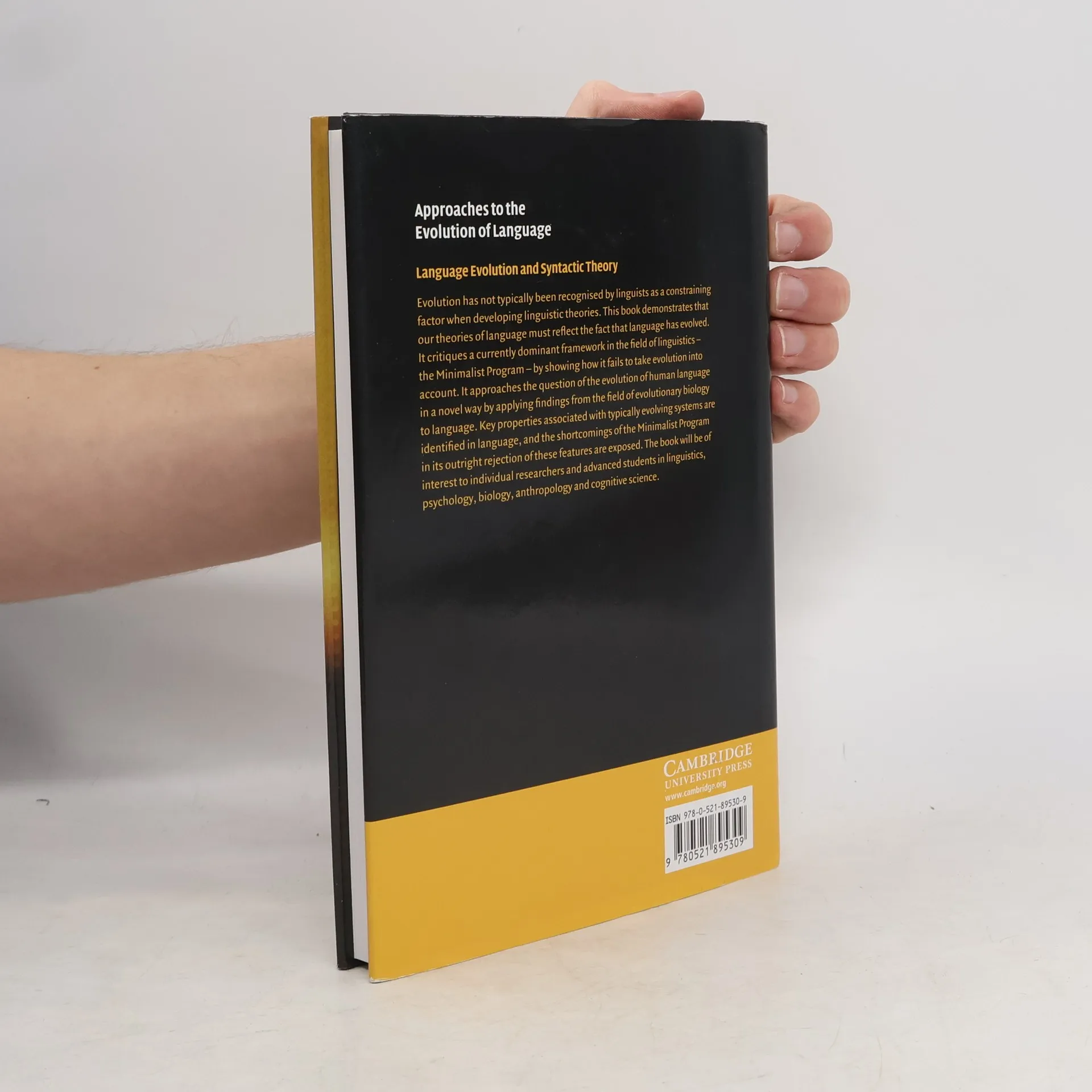
Evolution has not typically been recognised by linguists as a constraining factor when developing linguistic theories. This book demonstrates that our theories of language must reflect the fact that language has evolved. It critiques a currently dominant framework in the field of linguistics - the Minimalist Program - by showing how it fails to take evolution into account. It approaches the question of the evolution of human language in a novel way by applying findings from the field of evolutionary biology to language. Key properties associated with typically evolving systems are identified in language, and the shortcomings of the Minimalist Program in its outright rejection of these features are exposed. The book will be of interest to individual researchers and advanced students in linguistics, psychology, biology, anthropology and cognitive science.
Zakup książki
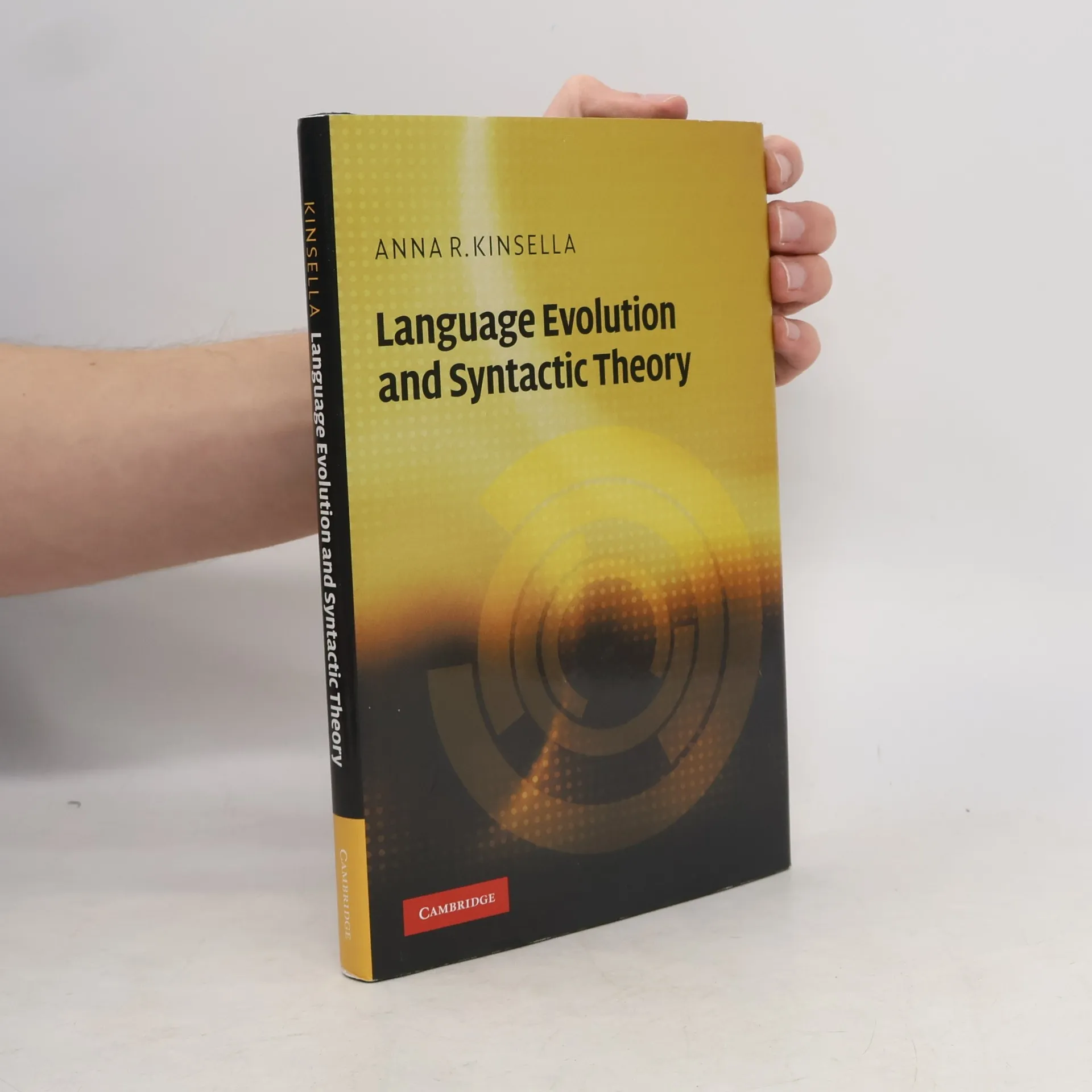
Language Evolution and Syntactic Theory, Anna R. Kinsella
- Język

- Rok wydania
- 2009
- Oprawa
- (twarda)
Metody płatności
Brakuje nam tutaj Twojej recenzji.
- Tytuł
- Language Evolution and Syntactic Theory
- Język
- angielski
- Autorzy
- Anna R. Kinsella
- Wydawca
- Cambridge University Press
- Rok wydania
- 2009
- Oprawa
- twarda
- Liczba stron
- 236
- ISBN10
- 0521895308
- ISBN13
- 9780521895309
- Seria
- Tagi
- Nauka, Lingwistyka, Ewolucja
- Ocena
- 4,2 z 5
- Opis
- Evolution has not typically been recognised by linguists as a constraining factor when developing linguistic theories. This book demonstrates that our theories of language must reflect the fact that language has evolved. It critiques a currently dominant framework in the field of linguistics - the Minimalist Program - by showing how it fails to take evolution into account. It approaches the question of the evolution of human language in a novel way by applying findings from the field of evolutionary biology to language. Key properties associated with typically evolving systems are identified in language, and the shortcomings of the Minimalist Program in its outright rejection of these features are exposed. The book will be of interest to individual researchers and advanced students in linguistics, psychology, biology, anthropology and cognitive science.