

Parametry
- 298 stron
- 11 godzin czytania
Więcej o książce
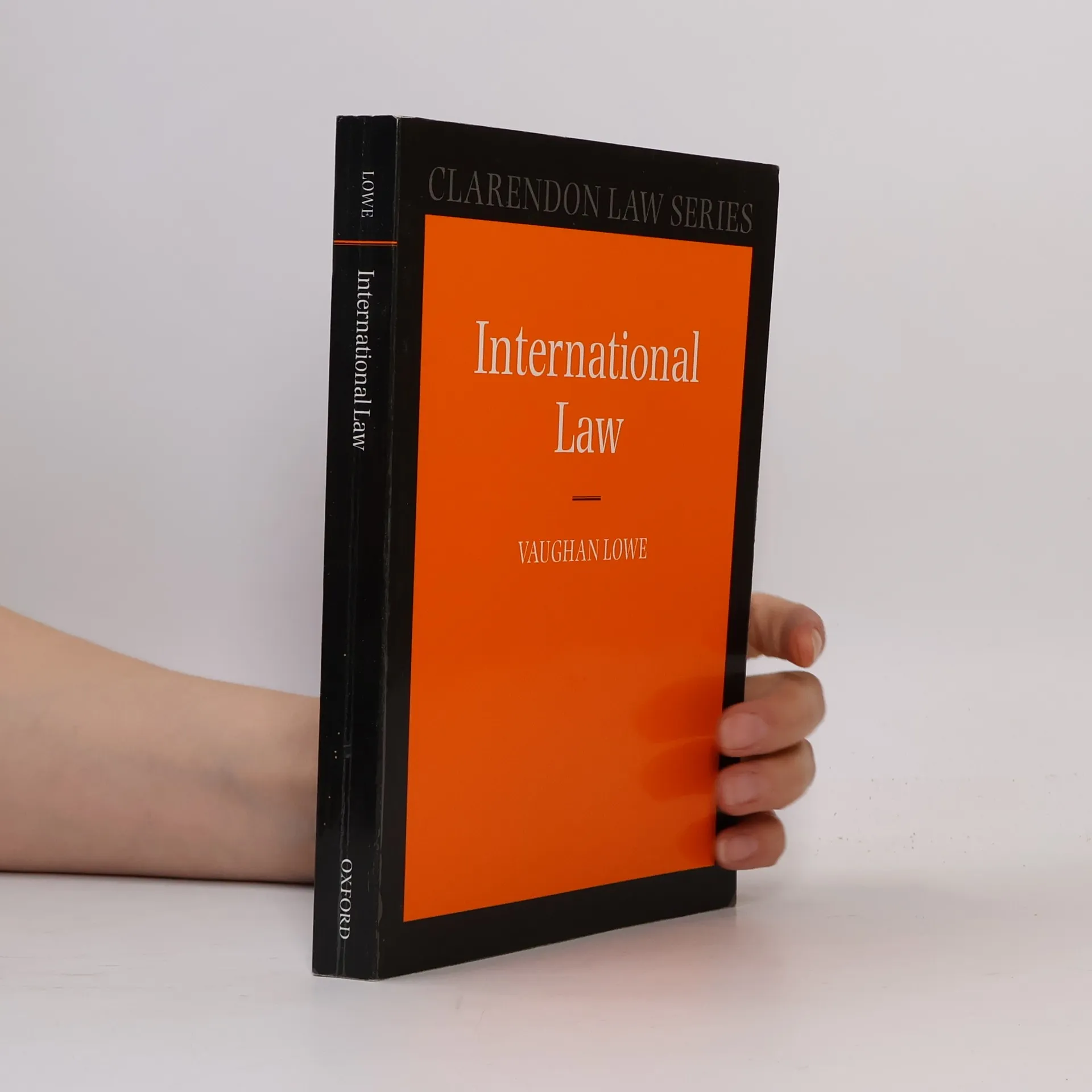
Of all legal subjects, international law is at once the most richly varied and arguably the least understood, even by lawyers. For the past two decades it has been the focus of intense analysis by legal philosophers, international relations specialists, linguists, professional lawyers, historians, economists, and political scientists, as well as those who study, teach, and practice the discipline. Yet, the realities of international trade and communication mean that regulations in one State often directly affect matters within others. In the established tradition of the Clarendon Law Series, International Law is both an introduction to the subject and a critical consideration of its central themes and debates. The book explores the scope and function of international law, and explains how it helps to underpin our international political and economic systems. It then goes on to examine the wider theoretical implications of international law's role in modern society, includingissues such as the independence of states, limits of national freedom of choice, human rights, and international crime.
Zakup książki
Clarendon Law Series: International Law, Alan Vaughan Lowe
- Język

- Rok wydania
- 2007
- Oprawa
- (miękka)
Metody płatności
Brakuje nam tutaj Twojej recenzji.
- Tytuł
- Clarendon Law Series: International Law
- Język
- angielski
- Autorzy
- Alan Vaughan Lowe
- Wydawca
- Oxford University Press
- Rok wydania
- 2007
- Oprawa
- miękka
- Liczba stron
- 298
- ISBN10
- 0199268843
- ISBN13
- 9780199268849
- Seria
- Kategorie
- Tagi
- Tematy historyczne, Biznes, Tematy prawne, Teorie polityczne, Stosunki międzynarodowe, Prawo międzynarodowe
- Ocena
- 3,65 z 5
- Opis
- Of all legal subjects, international law is at once the most richly varied and arguably the least understood, even by lawyers. For the past two decades it has been the focus of intense analysis by legal philosophers, international relations specialists, linguists, professional lawyers, historians, economists, and political scientists, as well as those who study, teach, and practice the discipline. Yet, the realities of international trade and communication mean that regulations in one State often directly affect matters within others. In the established tradition of the Clarendon Law Series, International Law is both an introduction to the subject and a critical consideration of its central themes and debates. The book explores the scope and function of international law, and explains how it helps to underpin our international political and economic systems. It then goes on to examine the wider theoretical implications of international law's role in modern society, includingissues such as the independence of states, limits of national freedom of choice, human rights, and international crime.